






By Emmanuel Nduka
The United Kingdom is set to host a high-level meeting of about 35 countries on Thursday, with Prime Minister Keir Starmer outlining expectations that discussions will centre on restoring safe navigation and securing global energy routes through the Strait of Hormuz.
According to Starmer, the talks will focus on practical diplomatic and political steps needed to make the strategic waterway “accessible and safe” once hostilities ease. The meeting, to be led by Foreign Secretary Yvette Cooper, is expected to address how to guarantee the safety of vessels and crews currently stranded, while ensuring the uninterrupted flow of critical commodities, particularly oil and gas.
Starmer said participating nations would explore “every viable option” to restore freedom of navigation, stressing that reopening the strait would require coordinated international action beyond a simple ceasefire. He cautioned that de-escalation of the Iran conflict would not automatically translate into safe passage through the vital shipping corridor.
The talks are also expected to lay the groundwork for possible military coordination, with defence planners due to meet separately to examine operational options. These may include naval escorts, mine-clearing missions, and other protective measures aimed at safeguarding commercial shipping from potential threats.
Diplomatic sources indicate that several countries, including France, the Netherlands, and Gulf states, have already engaged in preliminary discussions about contributing naval assets to a potential coalition. However, officials note that the arrangement is likely to operate outside NATO structures and include a broader mix of international partners.
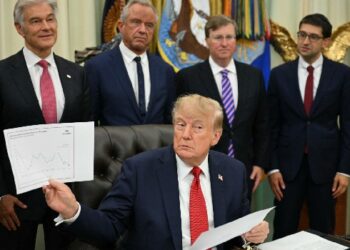
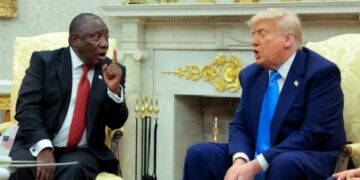
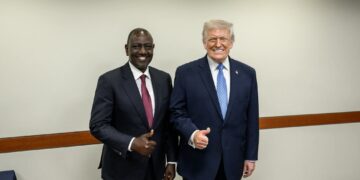
The urgency of the meeting has been heightened by recent remarks from Donald Trump, who signalled that reopening the strait may not be a priority for the United States and urged allies to take greater responsibility for securing their own energy supplies. His comments have added pressure on European and regional powers to accelerate contingency planning.
The Strait of Hormuz, a critical chokepoint through which roughly one-fifth of the world’s oil and gas flows, was closed by Iran following US-Israeli strikes earlier this year, triggering sharp increases in global energy prices and raising fears of prolonged supply disruptions.
Starmer acknowledged the complexity of any potential operation, warning that ensuring safe passage in the region would be challenging. He noted that the issue extends beyond insurance or logistics, emphasizing that the primary concern remains the physical security of vessels navigating the strait.
While some European governments had initially resisted involvement in efforts that could deepen their exposure to the conflict, growing concerns over energy security and sustained market instability have prompted a shift in approach. Officials say the outcome of the meeting will play a crucial role in shaping the next phase of international response.
As global attention turns to the talks, expectations remain high that they will produce a coordinated framework for restoring stability to one of the world’s most important maritime routes.