



















By Emmanuel Nduka
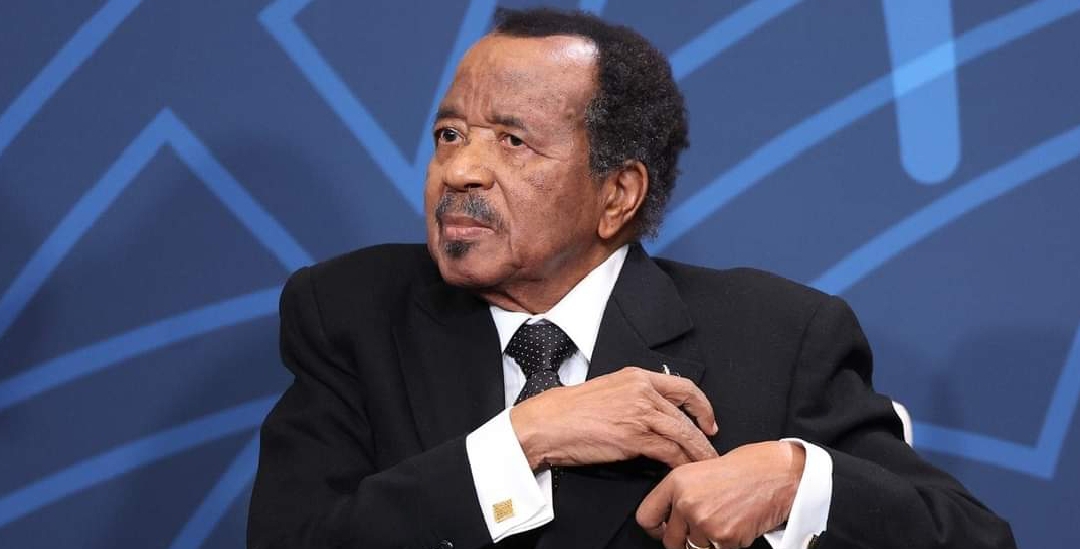
Cameroonian President Paul Biya has signed into law a bill restoring the office of vice-president, marking a significant shift in the country’s political structure and succession framework.
The legislation, recently approved by Cameroon’s parliament, formally reintroduces the position more than four decades after it was scrapped. Under the new arrangement, the vice-president will be appointed directly by the president and will assume the role of head of state in the event of a vacancy, thereby providing a clearer line of succession.
The development has sparked anticipation across the country, as attention now turns to Paul Biya, who is expected to name the first occupant of the office since its abolition in 1984. That year, a constitutional amendment replaced the vice-presidency with the position of prime minister, effectively centralizing executive authority.
Lawmakers backing the reform say the reintroduction of the vice-president signals a return to a dual executive system designed to strengthen governance and address longstanding concerns about leadership continuity. Analysts note that the absence of a clearly defined succession mechanism has, over the years, raised political uncertainties, particularly given the longevity of the current administration.
Supporters of the move argue that reinstating the role will enhance stability by ensuring a seamless transfer of power when necessary. They also contend that it could improve administrative efficiency by redistributing executive responsibilities at the highest level of government.
However, some observers remain cautious, noting that the effectiveness of the new structure will depend largely on how the role is defined in practice and the degree of authority delegated to the vice-president.
The decision represents one of the most notable constitutional changes in Cameroon in recent years, reflecting an effort by the government to recalibrate its political system in response to evolving national dynamics.
With the legal framework now in place, the focus will shift to implementation, particularly the selection of a vice-president and how the office will function within the broader executive arm of government.