




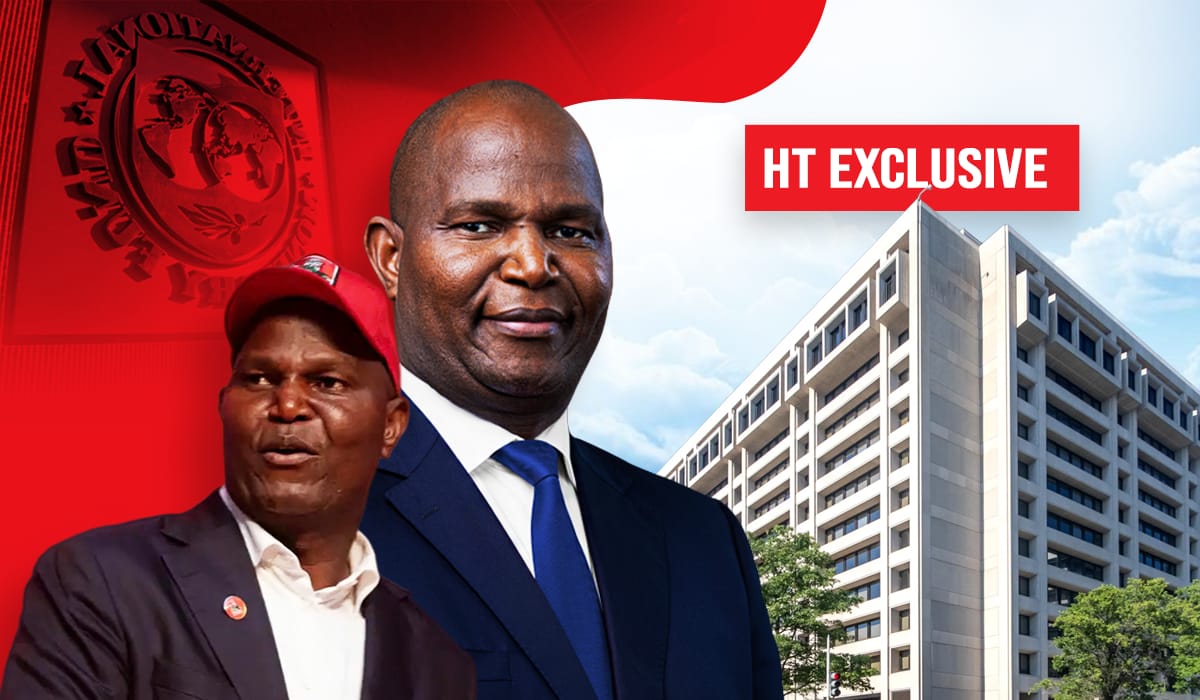
Mozambique has cleared its outstanding loan with the US-based lender, International Monetary Fund (IMF), bringing to zero its over $630 million debt as at March 31, 2026, placing it top among dozens of over 80 others who are heavily indebted to the Fund across the globe.
Early Debt Repayment
Coming three years before the 2029 due date, analysts have described the decision as both symbolic, bold and deeply inspiring, changing an age-long narrative of dependency and conditions, which have often characterised Africa’s financial landscape as a result of over-reliance on such borrowings to finance continental budget.
While this has been largely applauded, the Indian Ocean’s central bank reserves stood at $4.15 billion earlier in the year, but has not shrunk to $3.5 billion, implying that the money may have been sourced from its foreign reserves, which according to experts was a wise decision for the country which has before now had a reputation of not managing its financial obligations effectively. The decision implies ensuring short-term discomfort for a long-term autonomy.
Sovereignty Statement
With its zero-balance debt profile with IMF, Mozambique is making a statement that cannot be ignored. It is asserting sovereignty and freedom from external meddlesomeness. According to experts, loans are beyond financial instruments, but levers of influence, and sometimes total control. But the development in Mozambique appears to be a break from that pattern.
While the loan came with flexible terms and low interest rates, Mozambique ignored the convenient part of choosing to remain in debt trap, instead opted for the sovereign part, making it even more historic. Not restructured, not renegotiated, not extended — this is country breaking from the culture of normalising dependency, which comes with external directions.
Implications on Oil and Gas Discovery
Mozambique is currently sitting on a massive offshore gas discovered in the Rovuma Basin, estimated at about 100 trillion cubic feet, a project worth several billions of dollars, which in no distant future is expected to take take-off. This makes the country a major player in African natural gas, in addition to plans to commence commercial oil exploration.
Like several other African countries, Mozambique heavily relies on petrol import to feed its market. Under its joint venture with Nigeria’s Aiteo, Mozambique is aiming to develop a 240,000 bpd oil refinery, which can turn the country into a regional hub.
Recalibrating African Priorities
Mozambique has provided an example that indeed there could be a change of pattern and a practical shift from the status quo where the future of Africa’s finance will not be wholly defined by how much was borrowed from western lenders but steps taken towards moving beyond debt and not just about managing it, not just how to participate in global systems but how to define a position within them.
Africa should begin to think of a new approach to prioritise its needs for seeking loans to keep debt profile at a sustainable level and not serve as an example of a continent where debt servicing gulps a large chunk of revenue.
Lesson for African Leaders
It takes a single decision to shift the paradigm and one moment to inspire a wave of positive change. That is what Mozambique has demonstrated and the onus is on African leaders to reimagine what financial sovereignty should look like in practice and not just in paper. Nothing gives a sense of freedom and a feeling of liberty than getting away from the burden of debt. With this new development, Mozambique is stepping out from external oversight, driving the narrative of a financial proactive nation, as against of a “debt-distressed” country. Other African nations, especially the oil giants should aspire to be a Mozambique.