



By Emmanuel Nduka
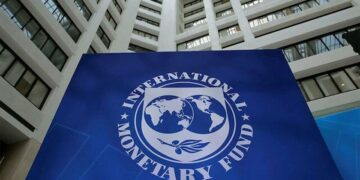
Ghana has officially exited its bailout programme with the International Monetary Fund, bringing an end to the country’s Extended Credit Facility arrangement after years of economic instability marked by soaring inflation, rising debt and a weakening currency.
The government announced that the programme was concluded ahead of schedule following what officials described as a significant economic turnaround driven by fiscal discipline, structural reforms and renewed investor confidence.
The IMF intervention was initially introduced at a period when Ghana’s economy was under severe pressure, with mounting debt obligations and a depreciating cedi worsening living conditions for millions of citizens.
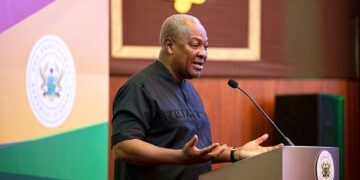
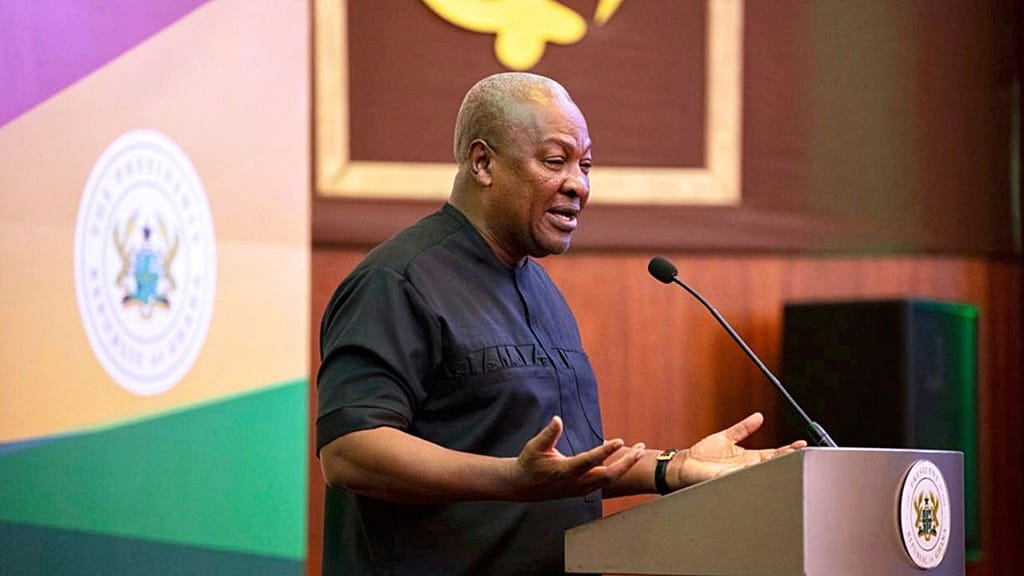
Authorities said the programme, which reportedly encountered setbacks toward the end of 2024, regained momentum after President John Dramani Mahama assumed office in 2025.
According to Ghana’s Ministry of Finance, the administration implemented strict fiscal consolidation measures, reduced government expenditure and introduced reforms aimed at restoring macroeconomic stability.
Inflation Eases, Foreign Reserves Rise
Government spokesperson Felix Kwakye Ofosu said the reforms had begun yielding visible results, including declining inflation, a stronger local currency and a reduction in the country’s debt-to-GDP ratio.
He added that Ghana’s sovereign credit profile had improved considerably, rising from restricted default status to a “B” credit rating with a positive outlook following five successive upgrades.
“The improvement reflects stronger fiscal discipline, normalised relations with creditors, improved external buffers and renewed investor confidence,” Kwakye Ofosu said in a government statement.
Officials also highlighted the country’s growing foreign reserves as evidence of economic recovery.
According to the government, Ghana’s gross international reserves climbed to about $14.5 billion by February 2026, enough to cover nearly six months of imports.
The government noted that the reserve position would help cushion the country against external economic shocks and strengthen economic stability moving forward.
Although the bailout programme has ended, Ghana will continue working with the IMF under a Policy Coordination Instrument, a non-financing arrangement intended to provide technical support and policy guidance.
Unlike the previous bailout package, the new arrangement does not include direct financial assistance. However, officials believe it will help strengthen policy credibility, attract long-term investment and improve access to development financing.
The government also expressed optimism that the continued engagement could support efforts to restore Ghana’s investment-grade credit rating, potentially lowering borrowing costs and easing access to infrastructure financing.
Authorities thanked citizens, creditors and international partners for their support throughout the economic restructuring process, acknowledging the hardship faced by households and businesses during the crisis period.
The Mahama administration said it remains focused on maintaining fiscal discipline, deepening governance reforms and creating jobs as Ghana seeks to move beyond the bailout era.