





By Enyichukwu Enemanna
Zimbabwe has agreed to return 67 farms forcefully confiscated from foreigners from four European countries, which are now covered by bilateral investment agreements, the country’s agriculture minister announced on Wednesday, as it seeks to mend relations with Western countries amidst battle to secure debt relief.
The southern African country started seizing lands owned by white farmers under its late leader Robert Mugabe in 2000. It was a move the government at that time claimed was meant to resettle Black people and redress colonial-era land ownership imbalances.
The seizures wrecked commercial agriculture, precipitated a currency collapse in 2008 and left Zimbabwe struggling to feed itself.
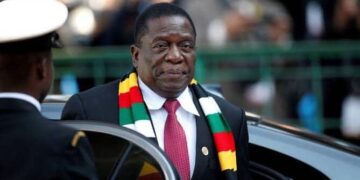
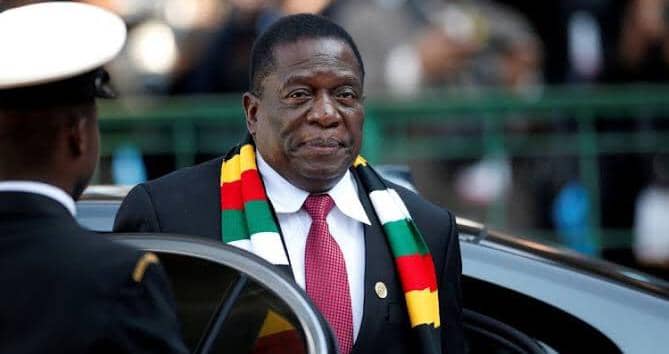
Mugabe’s successor President Emmerson Mnangagwa has sought to improve ties with Western governments, which imposed sanctions on Zimbabwe over the land seizures and allegations of human rights abuses.
The land restitution drive is part of its efforts to secure debt relief, having been shut out of the global financial system for more than two decades after defaulting on debt repayment to international lenders.
Its foreign debt stood at $13.6 billion in September 2025, with $7.7 billion of that in arrears. International lenders have demanded reforms, including resolving land-related disputes as conditions for debt relief.
Agriculture minister Anxious Masuka told lawmakers that the government would give the 67 farms back to nationals from Denmark, Switzerland, Germany and the Netherlands as they were covered by the bilateral investment protection agreements.
“We are in the process of returning those to them,” Masuka said in response to a question by a lawmaker.
The European countries are part of the group of Western countries discussing debt relief with Zimbabwe and are also notable donors to the country.
Mnangagwa, a long-time ally of Mugabe who replaced his mentor in a 2017 coup, agreed a $3.5 billion compensation deal with about 4,000 white farmers in 2020, but his cash-strapped government has struggled to make significant payments.