




By Emmanuel Nduka
A prominent African voice has hailed Ghana’s leadership at the United Nations (UN) while warning that entrenched global resistance and external interference continue to undermine the continent’s quest for justice over historical injustices.
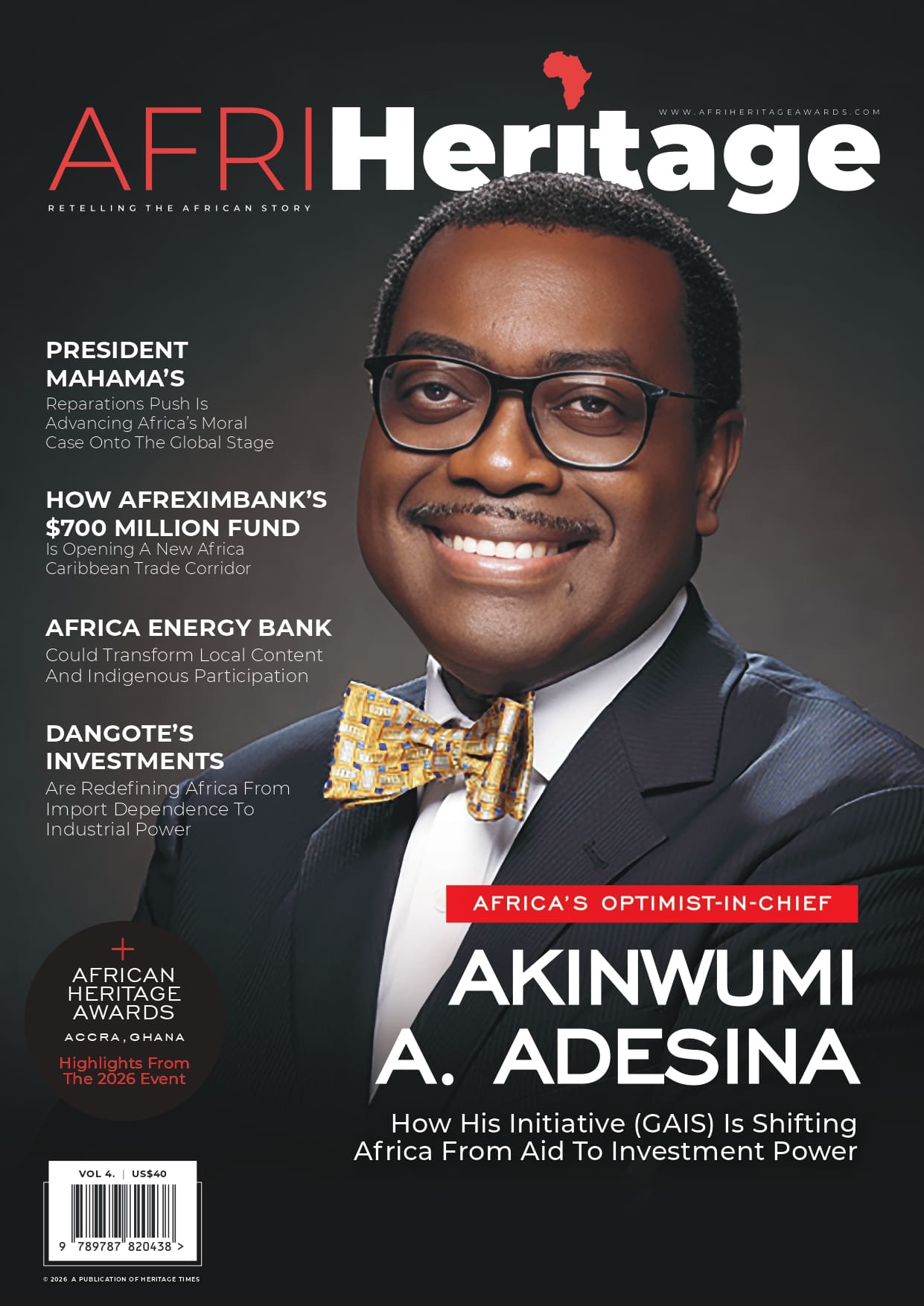
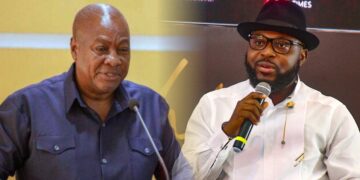
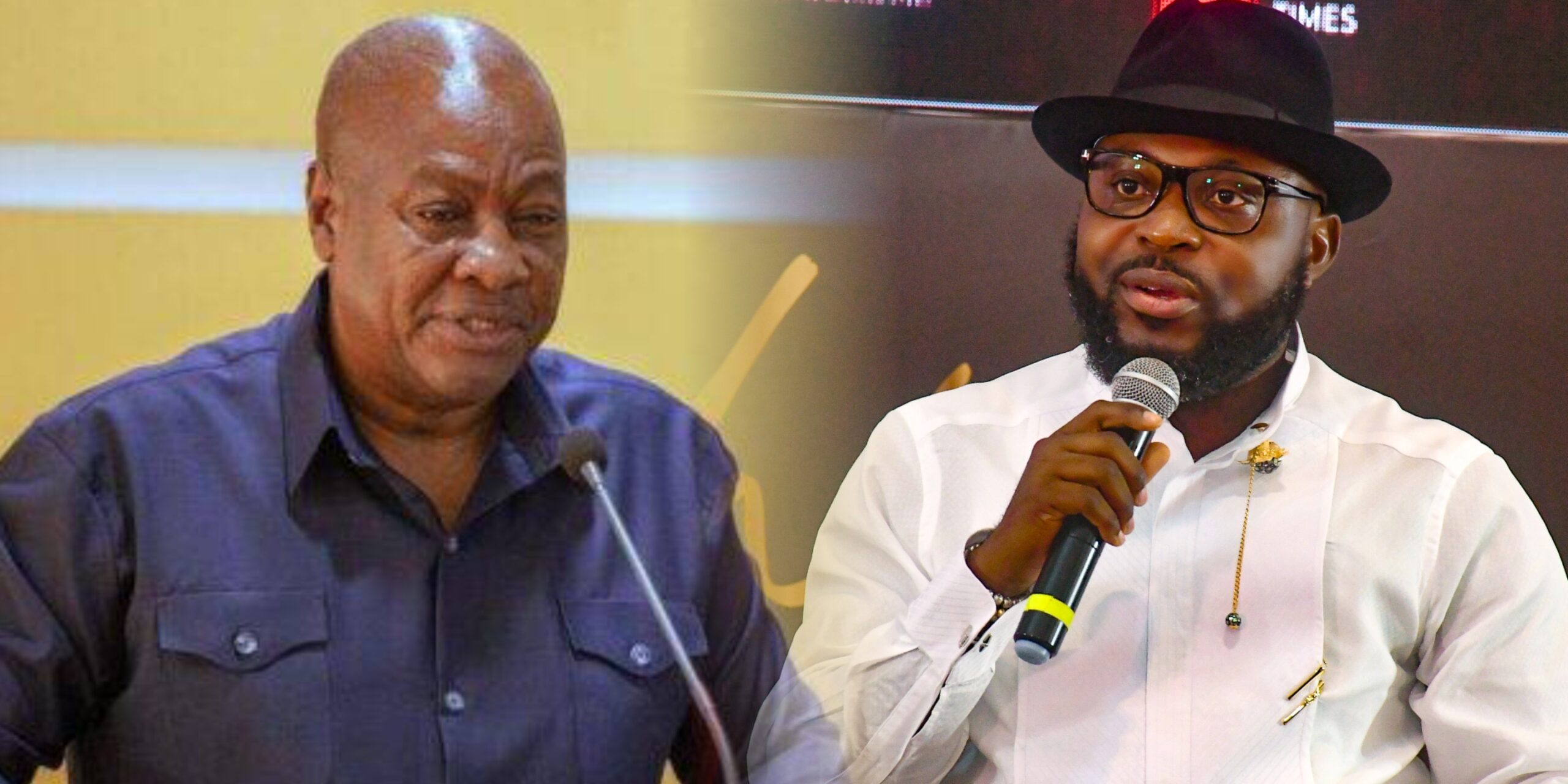
In a statement issued on Wednesday, Mr. Moses Siloko Siasia, Chairman of Heritage Times HT and Convener of AFRIHeritage, praised the bold stance taken by President John Dramani Mahama and the Government of Ghana in elevating the issue of reparations on the global stage, describing it as a necessary and principled step toward long-overdue redress.
“I applaud the bold and principled leadership of President John Dramani Mahama and the Government of Ghana for raising the issue of reparations.
“However, the outcome at the UN, revealed a continued reluctance among powerful Nations to acknowledge historic injustice, a reluctance reinforced by external influence over some African leaders and ongoing extraction of our natural resources,” he stated.
As solutions, Siasia advised that until Africa strengthens continental unity through deeper intra-African trade, freer movement, and robust accountability measures to prevent foreign capture of our institutions, it will continue to struggle to secure full and fair redress.
“African countries and the diaspora must l therefore come together collectively and coordinate diplomatically, economically, and legally to advance a credible, enforceable reparations agenda,” he noted.
Siasia warned that without stronger internal cohesion, Africa’s demands for reparations could remain stalled, pointing to systemic weaknesses that leave institutions vulnerable to foreign influence. He emphasized that economic independence, policy alignment, and governance reforms are critical to advancing the continent’s interests on the global stage.
He further called for a coordinated and unified approach among African nations and the diaspora, urging stakeholders to move beyond rhetoric toward actionable strategies that combine diplomatic, economic, and legal efforts.
According to him, only through collective resolve and structured engagement can Africa build a credible and enforceable reparations framework capable of compelling meaningful international response.
Mahama has in recent times intensified calls for reparations for Africa and the African diaspora, using international platforms to press the case for justice over slavery, colonial exploitation and their enduring economic consequences.
At global forums, including engagements around the United Nations, he has argued that reparations should move beyond moral acknowledgment to concrete financial, institutional and developmental commitments from former colonial powers.
Mahama has also aligned Ghana with broader continental efforts, backing initiatives within the African Union and CARICOM to advance a structured reparations framework, while urging African states to present a united front in demanding accountability and redress.