



















By Ebi Kesiena
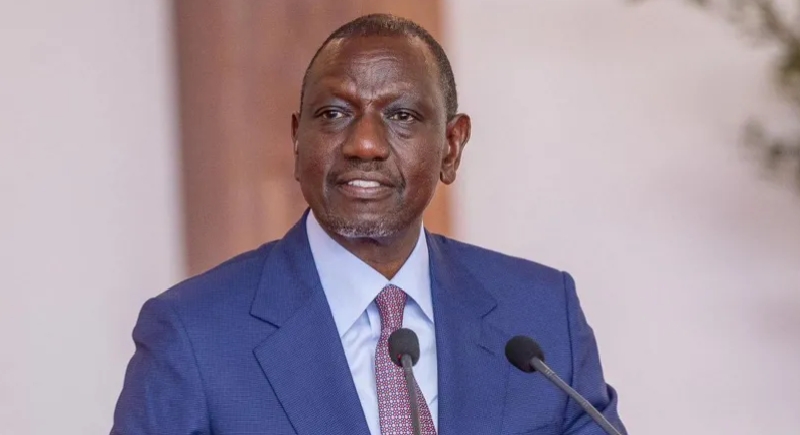
Kenyan President William Ruto has announced a 12 percent salary increase for government employees, alongside a 15 percent wage boost for workers in the agricultural sector, in a move aimed at cushioning workers and recognising their contribution to the economy.
The announcement was made in celebration of the 2026 Labour Day in Vihiga County, where the President said the pay rise reflects the “sacrifice, resilience and immense contribution” of Kenyan workers to national growth and stability.
Data from the Kenya National Bureau of Statistics indicates that agricultural workers will benefit from a higher 15 percent increment, underscoring the sector’s critical role in the country’s economy.
The wage review follows sustained pressure from the Central Organisation of Trade Unions Kenya, which had earlier pushed for a 23 percent increase. Its Secretary-General, Francis Atwoli, has consistently advocated improved wages and stronger protections for workers.
Beyond the wage adjustment, Ruto disclosed that the Ministry of Labour is finalising instruments for submission to the cabinet in line with the Treaty Making and Ratification Act. This includes the ratification of key international labour standards
.
He confirmed that the National Labour Board has completed the ratification process for two major conventions of the International Labour Organization—Convention 189 on Decent Work for Domestic Workers and Convention 190 on the Elimination of Violence and Harassment in the World of Work.
The move comes after Atwoli urged the President to honour earlier commitments and ensure the formal adoption of the conventions, which have already been ratified by several countries.
While the pay rise has been welcomed by workers, concerns remain among employers. Business groups have previously warned that significant wage increases could strain companies, particularly small and medium-sized enterprises still struggling with economic headwinds.
Despite these concerns, the government maintains that the adjustment is necessary to improve workers’ welfare and sustain economic momentum, positioning labour as a central pillar of Kenya’s development agenda.