



















By Emmanuel Nduka
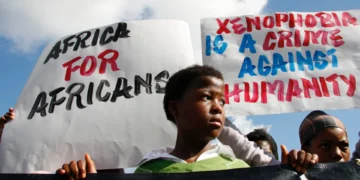
The government of Mozambique is considering drastic measures against South Africa, including the possible suspension of electricity supply, following renewed incidents of xenophobic violence targeting Mozambican nationals.
Official sources in Maputo described the situation as “serious and unacceptable,” citing reports of assaults, forced evictions, and destruction of property belonging to Mozambican citizens in several South African cities. Authorities warned that such acts undermine the principles of peaceful coexistence and regional solidarity upheld within the Southern African Development Community (SADC).
Government officials indicated that the response under consideration reflects growing frustration over the safety of Mozambican migrants and the perceived lack of adequate protection. They stressed that continued attacks could strain diplomatic ties between the two neighboring countries.
Energy analysts note that Mozambique plays a strategic role in South Africa’s electricity supply through longstanding bilateral agreements. Power generated from the Cahora Bassa Dam is exported to South Africa, supplementing domestic generation by utility providers such as Eskom. Any disruption to this supply could worsen South Africa’s ongoing energy challenges and ripple across the regional economy.
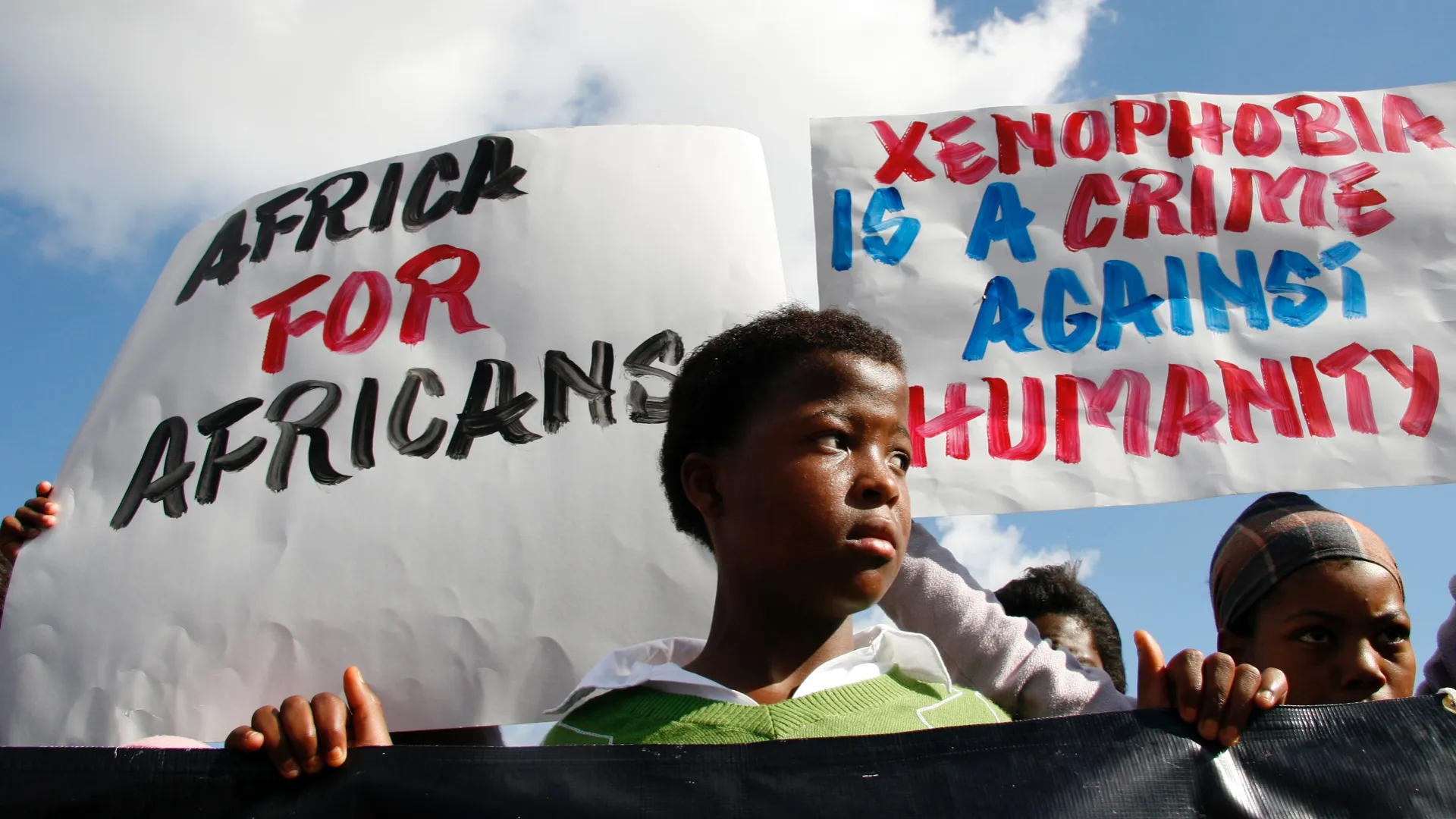
Xenophobic violence in South Africa has been a recurring issue over the years, often fueled by economic pressures, high unemployment, competition for limited resources, and a glaring hatred and intolerance for other African nations. Previous waves of attacks, notably in 2008, 2015, and 2019, led to deaths, displacement, and diplomatic tensions with several African countries, including Mozambique, Nigeria and Ghana.
While South African authorities have repeatedly condemned such violence and pledged action, critics argue that underlying socio-economic grievances and weak enforcement have allowed the problem to persist, posing a continued threat to regional integration and stability.