




















By Ebi Kesiena
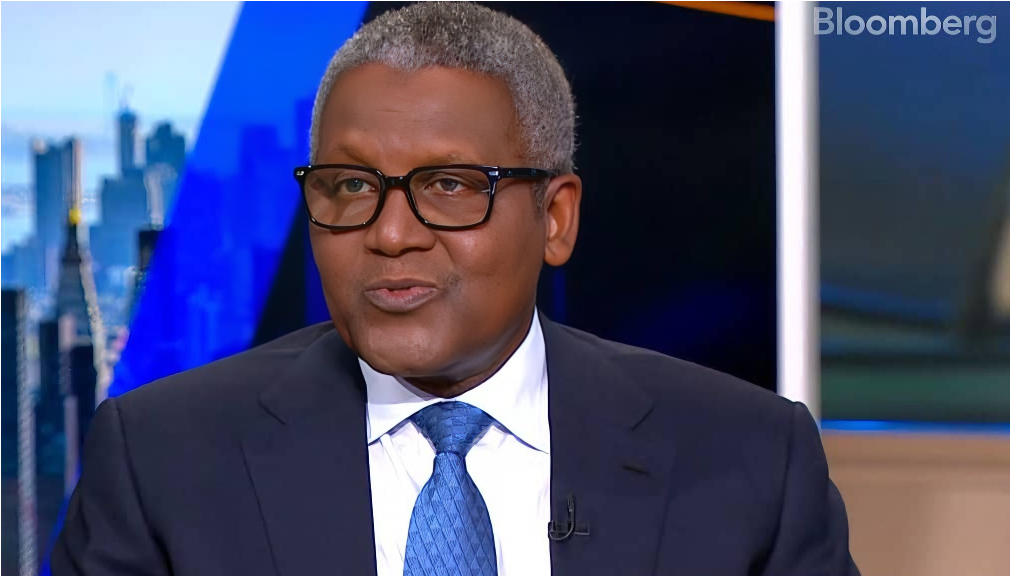
The Economic Community of West African States (ECOWAS) has appointed Aliko Dangote, Chairman of the Dangote Group, as the pioneer Chairman of the newly established ECOWAS Business Council (EBC). The announcement was made by the President of the ECOWAS Commission, Dr. Omar Touray, during the 95th Ordinary Session of the ECOWAS Council of Ministers in Abuja.
Touray noted that Dangote’s selection was driven by his extensive experience and remarkable footprint in business and industrial development, not only within the ECOWAS sub-region but across the African continent. He stressed that the billionaire industrialist exemplifies the kind of private sector leadership needed to accelerate regional economic transformation.
According to him, the rising momentum of intra-regional investment among ECOWAS Member States demonstrates a renewed commitment to strengthening home-grown economic growth. He highlighted several investment fora held within the region this year, such as the Forum Senegal Invest, the West African Economic Summit in Nigeria, and the “Invest in District Savanes” forum in Côte d’Ivoire, as evidence of this shift.
“This growing appetite for intra-regional investment underscores the urgency of mobilising domestic capital to build a resilient regional economy, rather than depending on unpredictable foreign inflows, I am confident that with the magnitude of investments made by the likes of Alhaji Dangote, our regional private sector can champion the development of our Community, provided the right incentives and opportunities are in place.” Touray said.
Touray explained that the ECOWAS Business Council would serve as a platform to convene private sector actors to deliberate on economic integration, regional competitiveness, and development priorities. The Council is also expected to strengthen collaboration among private enterprises, government agencies, and ECOWAS institutions.
Designed as an independent private-sector–driven body, the EBC aims to enhance trade within the sub-region, promote investment flows, and support deeper economic integration. It is envisioned to bridge the gap between businesses and policymakers, ensuring that private sector perspectives play a central role in shaping West Africa’s economic future.