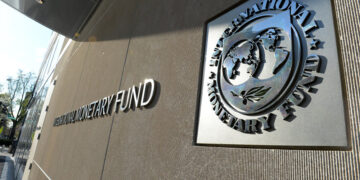





















The International Monetary Fund (IMF) has cautioned Nigeria to exercise fiscal discipline following the Federal Government’s approval of a $6 billion external loan to drive infrastructure development across key sectors.
The facility, secured from a consortium of international lenders, is targeted at upgrading transport systems and strengthening energy infrastructure, with authorities projecting improved economic growth, job creation, and regional trade integration.
Analysts note that the funding could significantly enhance Nigeria’s logistics network, expand railway lines, rehabilitate roads, and modernise airports, while also boosting power generation and transmission capacity. These developments are expected to support manufacturing activities, attract foreign direct investment, and improve the operating environment for small and medium-scale enterprises.
The World Bank has repeatedly highlighted the importance of reliable electricity in driving industrialisation, with experts stressing that improvements in energy supply will increase productivity and economic resilience. In addition, enhanced transport connectivity is projected to reduce logistics costs and facilitate trade within West Africa, strengthening Nigeria’s role as a regional economic hub.
However, the IMF warned that while the loan presents growth opportunities, prudent debt management remains critical to maintaining fiscal sustainability. It advised the government to prioritise concessional financing terms, ensure transparency in fund utilisation, and align infrastructure projects with revenue-generating outcomes.
Nigeria’s debt strategy, according to analysts, will hinge on effective monitoring mechanisms to guarantee accountability and ensure that borrowed funds deliver measurable economic returns.
Comparisons have been drawn with Asian economies, where sustained investments in infrastructure have historically driven rapid economic expansion. Experts believe that if properly implemented, Nigeria’s infrastructure push could attract further international financing and encourage public-private partnerships.
Meanwhile, the Ministry of Finance has expressed optimism that the initiative will enhance connectivity across major industrial corridors and improve overall economic efficiency. Over the next five years, stakeholders anticipate notable gains in energy supply, transport efficiency, and industrial output.
Despite these projections, experts insist that the success of the programme will depend largely on disciplined execution, transparency, and the government’s ability to balance growth ambitions with long-term debt sustainability.