


















By Enyichukwu Enemanna
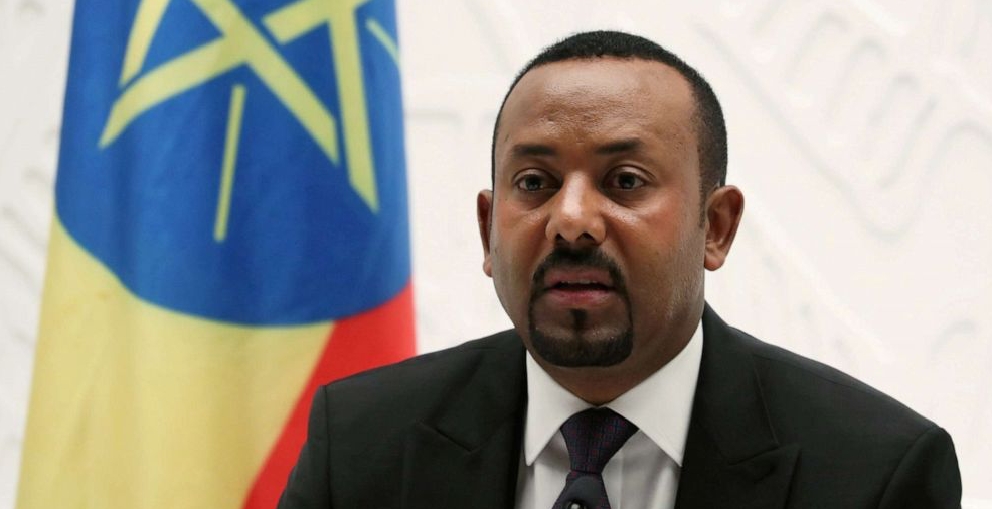
The U.S. will bring to an end decades-long temporary legal status for citizens of Ethiopia living in the United States, a government notice released on Friday says, as President Donald Trump continues to make crackdown on legal and illegal immigration his administration’s top priority.
“After reviewing country conditions and consulting with appropriate U.S. Government agencies, the Secretary determined that Ethiopia no longer continues to meet the conditions for the designation for Temporary Protected Status,” Homeland Security Secretary Kristi Noem said in a notice posted in the Federal Register.
Introduced in 1991, Temporary Protected Status (TPS) was designed to assist people whose home country has experienced a natural disaster, armed conflict or other extraordinary event.
It also provides eligible migrants with work authorization and temporary protection from deportation.
Under the former President Joe Biden’s administration, the programme was extended to cover about 600,000 Venezuelans and 521,000 Haitians.
The Home Security Secretary reversed the extensions in February, saying they were no longer justified.
Trump’s administration has in recent months removed the protective status for migrants from numerous countries, including Haiti, Myanmar, South Sudan, Syria and Venezuela. In November, Trump announced the termination of protection for Somalis in Minnesota
He has made controlling immigration a central point of his second White House term.
The cancellation of the TPS protections analysts say serves as boost to the administration’s campaign to deport millions of people.
The cancellations have been challenged in court. The Supreme Court in October cleared the way for the administration to revoke TPS for hundreds of thousands of Venezuelan migrants in the United States, granting a request to put on hold a federal judge’s ruling that the Home Security Secretary lacked the authority to terminate the status while litigation proceeds.
The Homeland Security department also said on Friday it was no longer processing legacy cases under the Cuban and Haitian family reunification parole programme, according to a post in the Federal Register.
Those programmes make it easier for U.S. citizens and lawful permanent residents to bring family members into the country.