













By Enyichukwu Enemanna
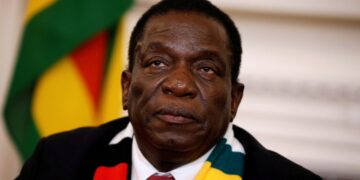
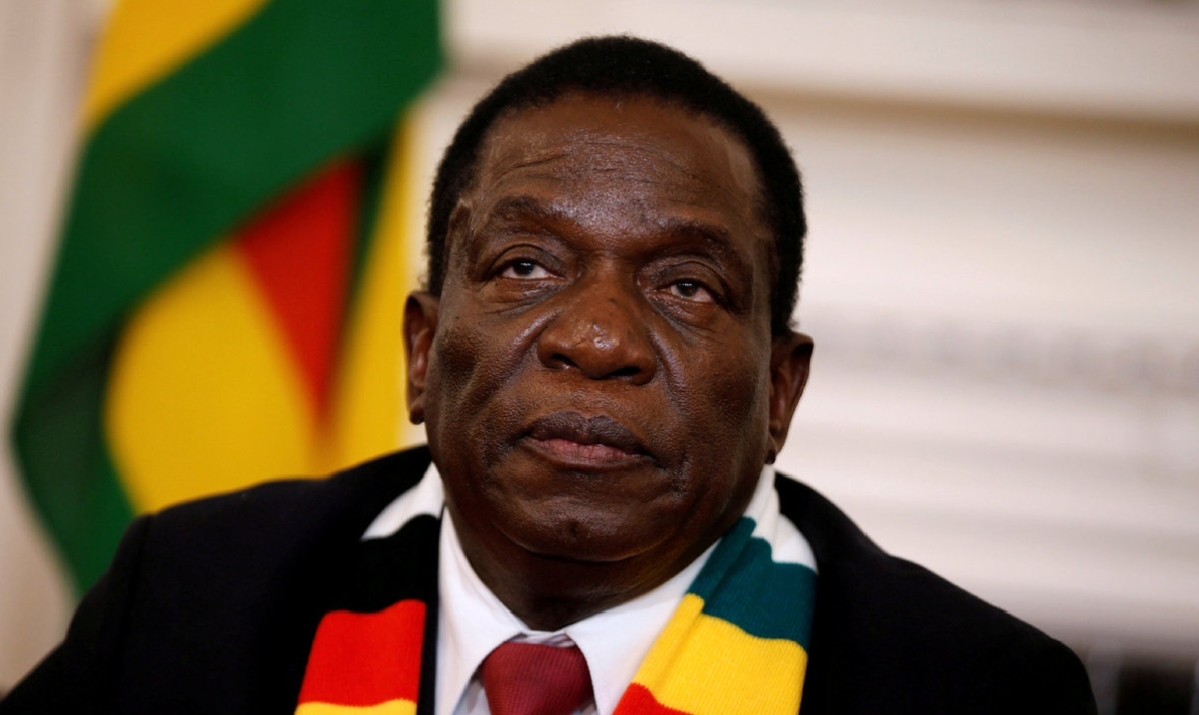
Zimbabwe’s cabinet has prepared an executive bill to be presented before the parliament, which allows President Emmerson Mnangagwa to extend his stay in office beyond 2028 when his tenure is due to expire.
Mnangagwa, 83, who first came to power in 2017 after a military coup ousted long-time leader Robert Mugabe, won a presidential election the next year and a second term in 2023, a result which was faulted by the opposition.
Known as “the crocodile” because of his political cunning, his final five-year term is due to expire in 2028.
Under the new proposal which will be presented before the governing Zanu-PF-dominated parliament, Presidents would be chosen by members of the parliament rather than in a direct vote and could serve a maximum of two seven-year terms, rather than the current five-year terms.
Justice Minister Ziyambi Ziyambi said public consultations would be held before the bill heads to parliament for debate.
The proposal is likely to face legal challenge as constitutional experts argue that a referendum is required if tenure limits are changed.
They also insist that a sitting President is not meant to benefit from such constitutional amendment.
In a referendum held 13 years ago, Zimbabweans overwhelmingly voted for a new constitution that introduced presidential term limits when Mugabe’s grip on power persisted. He had ruled the country since independence in 1980.
Indications that Mnangagwa, who was once Mugabe’s deputy until they fell out over the growing political ambitions of the then-first lady, wants to remain in power beyond 2028 started two years ago.
The slogan “2030 he will still be the leader” began to be chanted at Zanu-PF rallies with his supporters saying he needed to remain in office to complete his “Agenda 2030” development programme. President Mnangagwa has since rejected the idea publicly.
He has faced some fierce opposition within Zanu-PF, but his main critic – Blessed Geza, also known as “Bombshell” died last week.
This time last year Geza, a respected veteran of the 1970s war of independence and then member of Zanu-PF’s powerful central committee, had launched a scathing attack on Mnangagwa’s ambition to stay in power.
Hours before his death a message posted on his social media pages urged Zimbabweans to carry forward the “noble war” to remove President Mnangagwa and “end the plunder of our country”.