














By Emmanuel Nduka Obisue
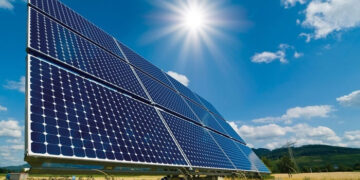
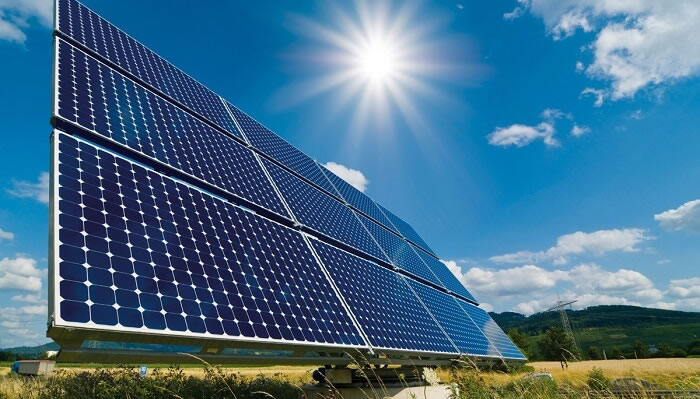
Egypt installed 500 megawatts (MW) of photovoltaic solar power capacity in 2025, placing it third among Africa’s top 10 solar energy markets, according to the Cabinet’s Information and Decision Support Centre (IDSC), which cited data from the World Energy Council.
South Africa led the continent with 1.6 GW of new solar capacity, followed by Nigeria with 803 MW. Algeria added 400 MW, while Egypt’s contribution of 500 MW underscores its growing commitment to renewable energy development.
The IDSC noted that Africa’s economic growth reached 3.9 percent in 2025, with the top 10 countries accounting for about 90 percent of new solar power installations. Together, they added 4.5 gigawatts (GW) of capacity, advancing the continent’s goal of 300 GW of renewable energy by 2030. Analysts project that about 31.5 GW of new solar capacity will be added across Africa by 2029.
Energy is one of five priority sectors in Egypt’s economic development strategy, which aims to boost real GDP growth to 7.5 percent by 2030 and create 1.5 million new jobs. To meet rising electricity demand, the government plans to increase the sector’s output to EGP 655.6 billion in the 2025/2026 fiscal year, expand coverage to 99.8 percent, and raise annual power generation to 235 billion kilowatt-hours (kWh), up from 229 billion kWh two years ago.
The government also intends to stabilize the national grid by summer 2026, adding 3,000 MW of solar capacity and 600 MW of battery storage, raising total battery capacity to 1,100 MW. These measures are part of Egypt’s broader goal to increase the share of renewable energy to at least 42 percent of total electricity generation by 2030 and establish the country as a regional hub for energy exchange.
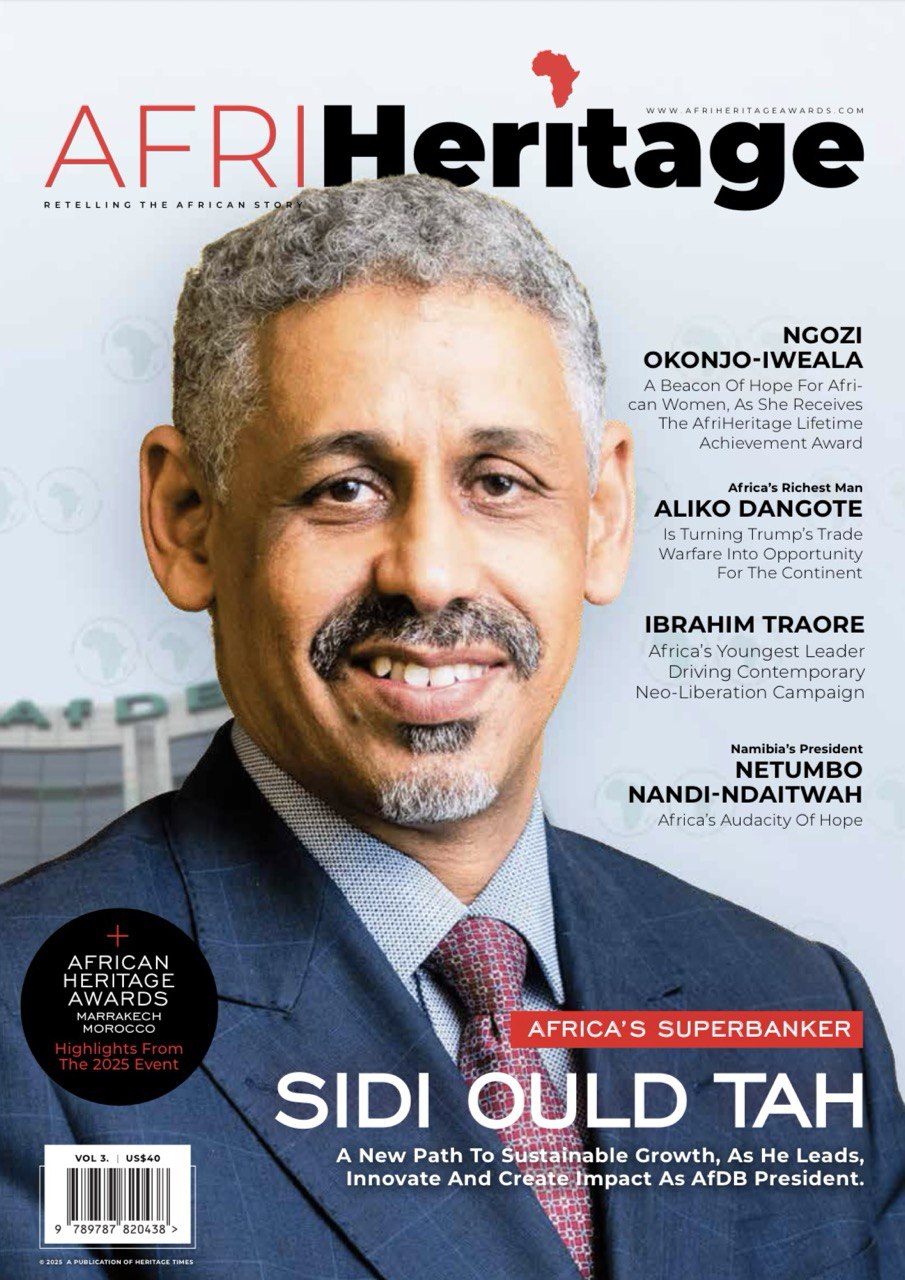
Egypt is advancing several renewable energy projects, including the $600 million Obelisk Solar Power Plant in Nagaa Hammadi. The project is financed through a combination of funding sources, including $150 million from the European Investment Bank, $160 million from the African Development Bank, and over $100 million from the European Bank for Reconstruction and Development (EBRD).
These initiatives reflect Egypt’s determination to expand renewable energy infrastructure, strengthen the electricity grid, and meet both domestic demand and regional energy needs in the coming decade.