


















By Emmanuel Nduka
Airlines across Asia and other regions are entering crisis mode as the ongoing Iran conflict disrupts global fuel supplies, sending jet fuel prices sharply higher and forcing carriers to scale back expansion plans.
Before the outbreak of the conflict, aviation consultancy Cirium had projected a 5.4 per cent increase in airline capacity for April compared to the previous year. That outlook has now been drastically revised downward to just 0.2 per cent, reflecting growing uncertainty and cost pressures across the industry.
South Korea’s flag carrier, Korean Air, has informed staff of a shift to “emergency mode,” with management implementing cost-cutting measures to cope with the surge in fuel prices. The airline’s Chief Executive Officer, Woo Kee-hong, warned that projected fuel prices of 450 cents per gallon in April, more than double the 220 cents per gallon used in its business plan, could derail its performance targets for the year. Fuel, which typically accounts for about 30 per cent of operating costs, is expected to take up a significantly larger share if current trends persist.
In response, Korean Air is reviewing its flight schedules and exploring multiple cost-saving options. Similarly, Asiana Airlines, the country’s second-largest carrier and majority-owned by Korean Air, has announced plans to cut 14 round-trip flights across four international routes to China and Cambodia in April and May as part of efforts to protect profitability.
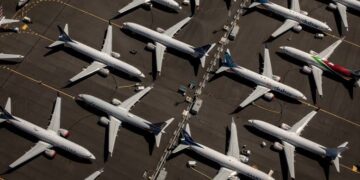
Across the broader Asian market, excluding China and India, airlines have reduced their expected capacity growth for April from 5.8 per cent to 2.8 per cent, according to Cirium data. Industry analysts say airlines are now prioritising cash preservation, with expectations that less profitable routes will be suspended and older, fuel-inefficient aircraft grounded. Some carriers may also delay maintenance spending to manage costs.
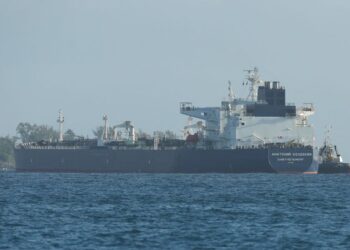
The situation is particularly acute for Asian airlines, many of which depend heavily on Middle Eastern oil imports and are vulnerable to disruptions linked to the Strait of Hormuz. The conflict has affected roughly one-fifth of global crude oil supplies, driving up the cost of refined products such as jet fuel and diesel.
Jet fuel prices have reportedly doubled since the onset of the crisis, prompting several major carriers, including Air India, Cathay Pacific, Thai Airways, and Qantas to increase ticket prices or introduce fuel surcharges to offset rising expenses. Analysts warn that the market could tighten further in the coming weeks.
In Europe, airlines are closely monitoring fuel supply levels amid concerns of potential shortages. Industry executives indicate that current visibility on supply ranges between four to six weeks. The United Kingdom is also expecting its last shipment of jet fuel from the Middle East in the near term, following a shift away from Russian energy supplies and declining domestic refining capacity.
While industry bodies such as Airlines UK say there is no immediate disruption to supply, uncertainty remains high. A recent survey by ACI Europe shows that while most airports report stable fuel stock levels, about 10 per cent identify a high risk of shortages.
With limited alternatives available to replace Middle Eastern supplies, aviation stakeholders warn that the situation could worsen if the conflict persists. Airlines globally are now bracing for prolonged cost pressures, operational adjustments, and a challenging period ahead.