














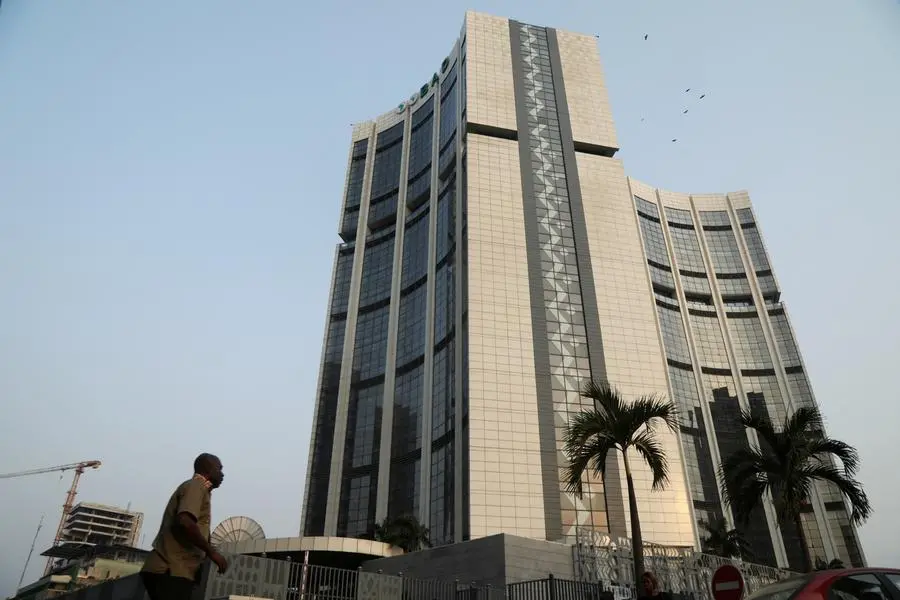
AfDB: Middle East Crisis Not Responsible for Africa’s Economic Fragility, But Worsens Outlook
The African Development Bank (AfDB) on Monday said the crisis in the Middle East is not responsible for the fragile state of the African economy, admitting however that it has worsened an already weak outlook facing heavy debt burdens, shrinking aid and global instability.
Growth Projections and Conflict Impact
The continental bank’s Chief Economist Kevin Urama predicts that growth could fall by about 0.2 percentage points provided the war does not last longer than three months.
“If the war continues for up to six months, we might see about a 1.5% decline,” he said further as the conflict worsens the impact of low foreign direct investments and dwindling official development assistance and financial flows into Africa.
Economic Growth Forecasts
In a report compiled with data up to January, Africa’s largest multilateral development finance institution projected that the pace of the continent’s economic growth would quicken to 4.3% this year, and 4.5% in 2027, but said mounting debt and fiscal pressures were significant setbacks.
War’s Direct Impact on African Economies
Urama said the crisis was already affecting African economies through higher fuel, food, and fertiliser prices.
According to the Chief Economist, 29 African countries had already experienced currency depreciation linked to inflationary pressures from the shock.
Debt Burden Across the Continent
In its report, the AfDB said that continent-wide, debt-service obligations were consuming more than 31% of government revenues, affecting overall investments in health, education, and infrastructure.
Total African public debt reached $1.9 trillion in 2024, with seven countries in debt distress and 13 others at high risk.
Threats to Official Development Assistance
The bank said that sharp cuts to official development assistance by the US threatened health, education, and social protection programmes, noting that in some countries, external funding had covered more than half of current health expenditures.