




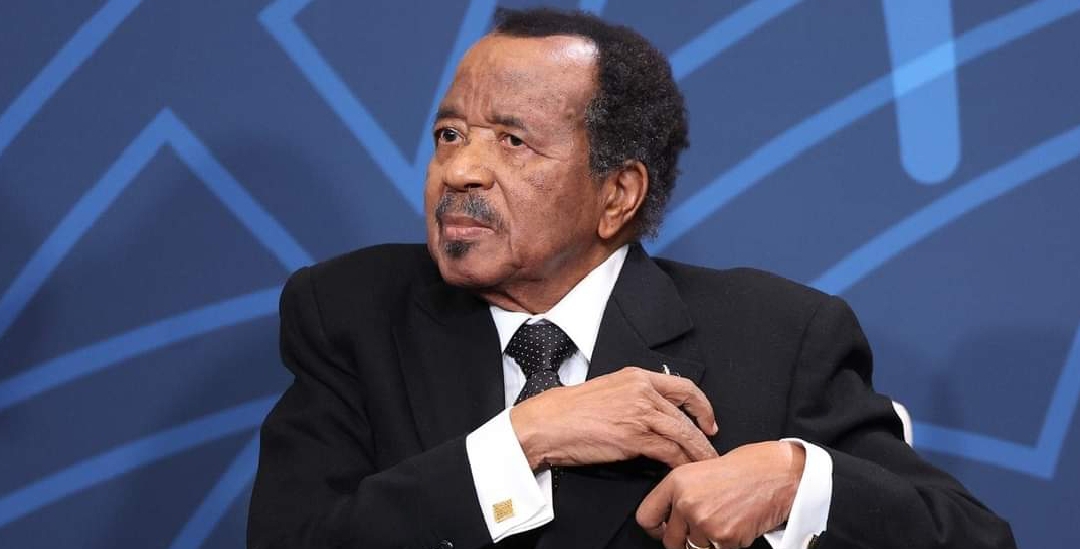
By Enyichukwu Enemanna
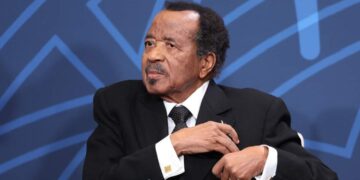
Senior official of Cameroon’s ruling party, CPDM on Wednesday held an emergency meeting, arising from the criticism that has trailed the continued absence of President Paul Biya, 93, who has spent the last 45 days abroad.
Biya, the world’s oldest head of state, left Cameroon on June 7 for what the civil cabinet described as “a brief private stay in Europe” and has since not returned.
Authorities have not disclosed information on the date of his possible return.
The secretary-general of the central committee of the Cameroon People’s Democratic Movement (CPDM), Jean Nkuete, who convened the meeting, did not disclose its agenda, instead called it “an important working session” in a statement.
No public public information links the meeting to Paul Biya’s long absence from the central African country.
In office since 1982, Biya has for years spent extended stretches in Switzerland and elsewhere in Europe, though his advanced age means they have increasingly fuelled speculation about his health, whereabouts and ability to provide governance. The current overseas trip is his longest in recent times.
After a similarly extended period out of the country in 2024, the government placed a ban on public discussions around Biya’s health.
Despite that, some opposition figures have gone ahead to discuss Biya’s absence.
The Cameroon Democratic Union, an opposition party, said in a statement on July 18 that officials should “provide the nation with the necessary clarifications regarding the effective continuity of the state.”
In a Facebook post on July 17, opposition lawmaker Jean Michel Nintcheu said the Constitutional Court should declare the position of head of state vacant.
The government has previously dismissed reports that Biya is receiving medical treatment and said he can effectively run the cocoa- and oil-producing country from overseas.
Lawmakers in April approved the re-introduction of the role of vice president, who would be first in line to succeed Biya, but the role has not been filled.
Biya has also not appointed a new government despite having won re-election that was heavily criticised last October.