








By Emmanuel Nduka
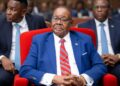
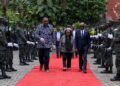
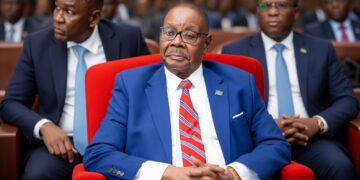
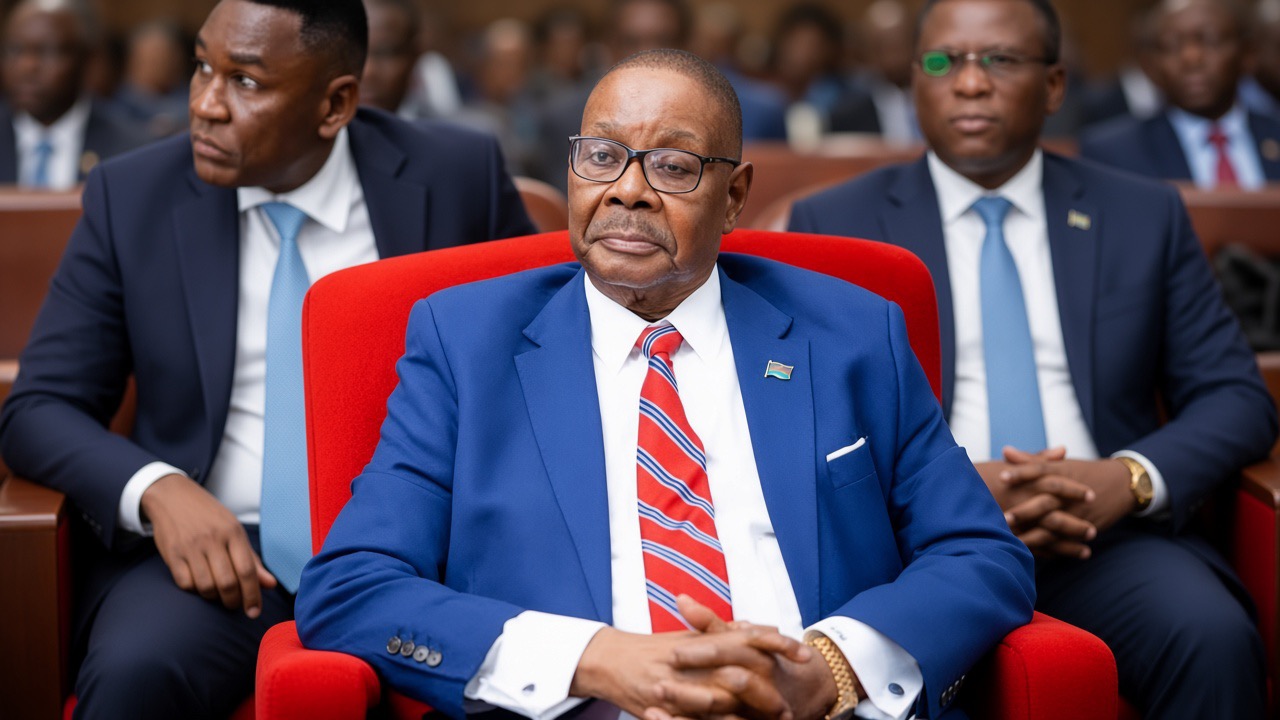
Malawi President Peter Mutharika’s latest private trip to South Africa has renewed public debate over the frequency of his travels and the limited information provided about their purpose.
Mutharika, 86, has reportedly travelled to South Africa at least five times since returning to power in 2025, with the latest visit in October 2026. On each occasion, government officials have described the journeys as private visits, without providing extensive details about their purpose or duration.
The repeated trips have increasingly drawn public attention, particularly amid wider discussions in Malawi about the President’s health and capacity to discharge his official responsibilities.
Government authorities, however, have maintained that the visits are private. Statements on the President’s movements have reportedly been issued by Chief Secretary to the Government Justin Saidi, without publicly disclosing further details surrounding the trips.
The situation has left some Malawians asking a simple question: what exactly takes the President to South Africa so frequently?
The question has gained greater prominence because of Mutharika’s age and the fact that he only returned to the presidency in 2025, five years after leaving office following his first administration, which ran from 2014 to 2020.
While speculation over his health has accompanied the latest travels, there is no public confirmation that the trips are medical in nature. Malawi’s existing legal framework also does not require the government to publicly disclose a president’s private medical information.
A political analyst cited by Nyasa Times urged Malawians not to panic over the President’s absence, arguing that the country’s constitutional system provides mechanisms for governance when the President is away.
The analyst, however, acknowledged the lack of a legal requirement compelling authorities to disclose the President’s health status, leaving the public largely dependent on official statements about his movements.
The issue has consequently become less about whether the President is legally entitled to undertake private travel and more about the level of transparency surrounding repeated trips by a sitting head of state.
For critics and civic voices, the frequency of the journeys raises legitimate questions about accountability, particularly where public resources, presidential responsibilities and the continuity of government are concerned.
Mutharika’s return to power has already attracted considerable attention because of his age and political history. He previously served as Malawi’s President from 2014 to 2020, while his elder brother, Bingu wa Mutharika, served as President from 2004 until his death in office in 2012.
As the latest South Africa trip unfolds, the government’s description of it as a private visit may technically settle the official position, but it has not ended public curiosity.
Instead, Mutharika’s fifth reported trip has revived a broader question in Malawi of how much should citizens be told about the movements of their President, particularly when those journeys occur repeatedly outside the country.