















By Emmanuel Nduka
Algeria, Tunisia, Italy, Austria and Germany have strengthened efforts to develop a €13 billion green hydrogen corridor that could create one of the most significant clean energy links between Africa and Europe.
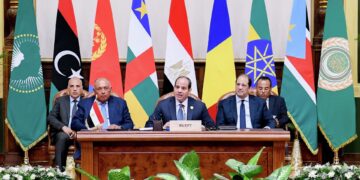
The five nations signed a Joint Political Declaration of Intent in Algiers, reaffirming their commitment to the SoutH2 Corridor, a proposed 3,300-kilometre infrastructure network designed to transport renewable hydrogen from North Africa through Italy and Austria to Germany.
The agreement marks a major step towards building a cross-border hydrogen supply chain connecting Africa’s renewable energy potential with Europe’s growing demand for cleaner industrial fuels.
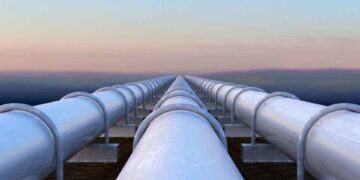
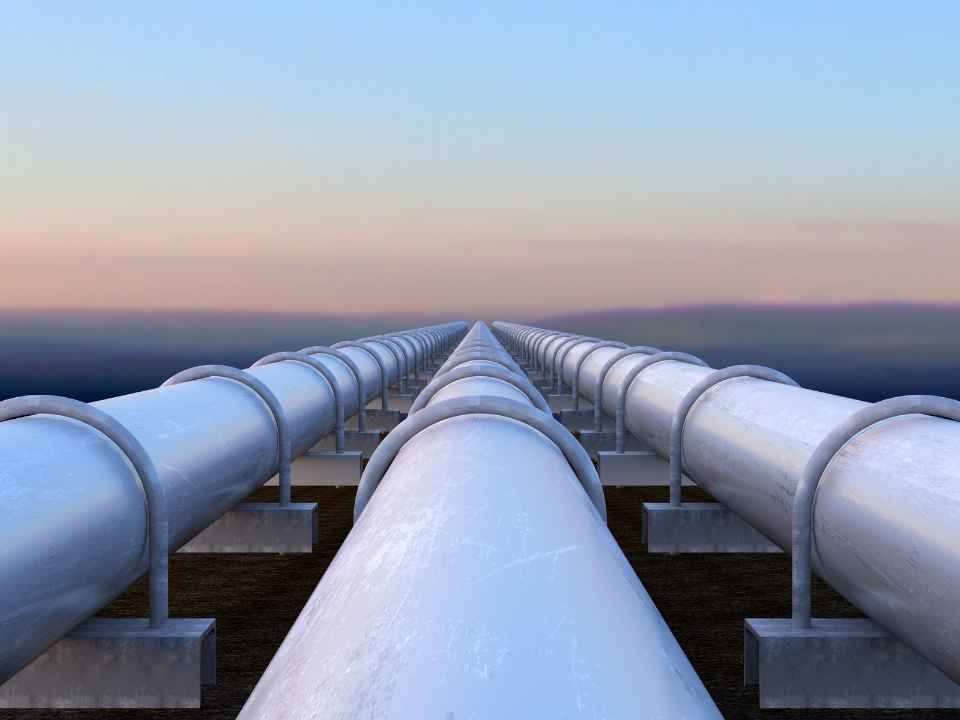
At the centre of the project is a subsea pipeline linking Tunisia with Sicily. From Italy, the corridor would extend through Austria into Germany, supplying industries seeking alternatives to fossil fuels and supporting Europe’s energy transition goals.
Project developers estimate that the infrastructure could transport up to four million tonnes of green hydrogen annually from the early 2030s, although this target will depend on the rapid expansion of renewable energy generation and hydrogen production facilities in North Africa.
The European Union has recognised the SoutH2 Corridor as a strategic energy project, with plans to combine newly built infrastructure with sections of existing natural gas pipelines that can be repurposed for hydrogen transport.
For Algeria and Tunisia, the initiative presents an opportunity to transform abundant solar and renewable resources into a major export industry, attract investment, create jobs and strengthen their positions in the global clean energy market.
Algeria aims to produce more than one million tonnes of hydrogen annually by 2040, while Tunisia’s national hydrogen strategy outlines ambitious plans to expand production and exports over the coming decades.
Despite strong political backing, the project still faces financial, technical and commercial hurdles, particularly the need to develop sufficient green hydrogen production capacity to support a pipeline of such scale.
As technical discussions continue on regulation, financing and supply agreements, the €13 billion corridor is increasingly being viewed as a project that could redefine energy trade between Africa and Europe while positioning North Africa as a key player in the emerging global hydrogen economy.