



















By Emmanuel Nduka
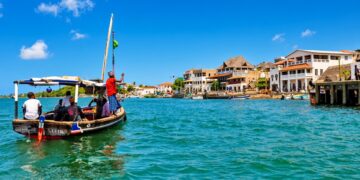
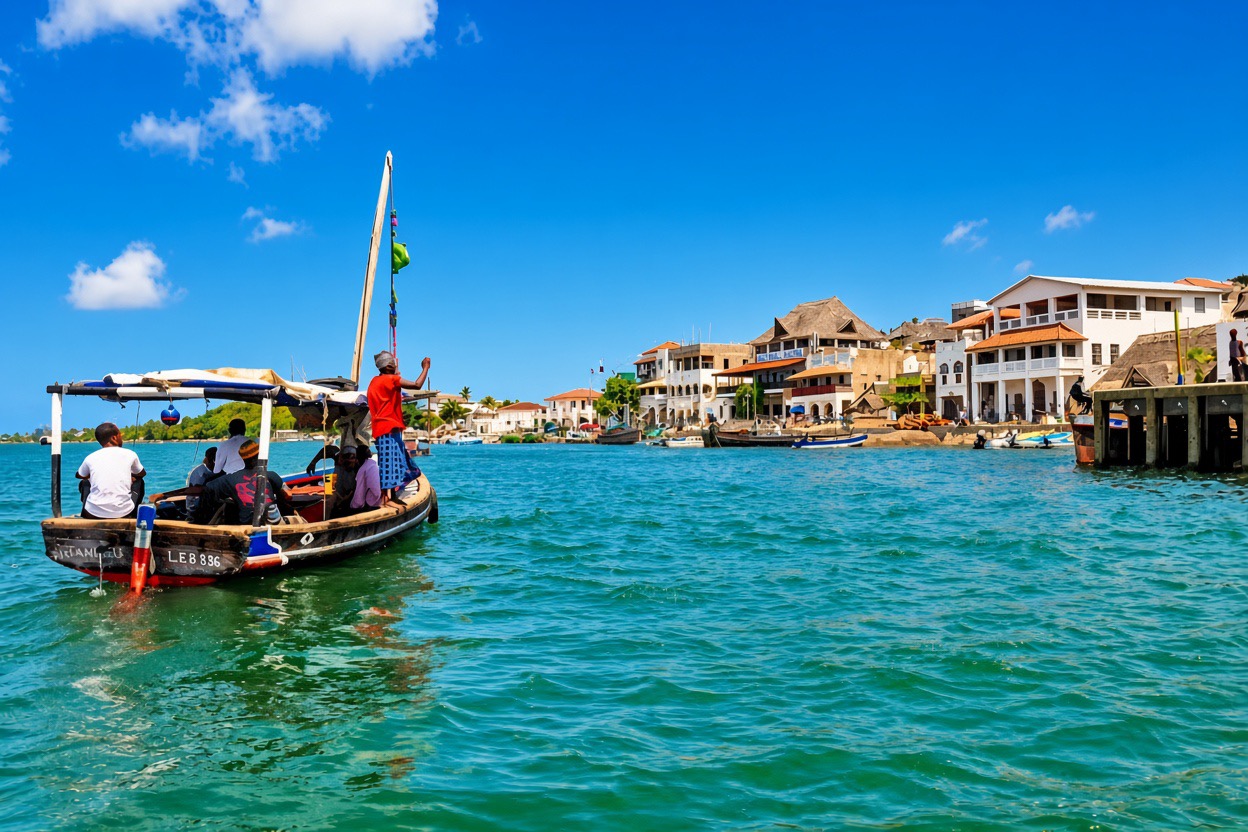
Residents of Kenya’s coastal Lamu Island have raised concerns over the possible environmental and economic consequences of a $16 billion refinery being developed by Nigerian industrialist Aliko Dangote, amid fears that the project could disrupt traditional livelihoods and the island’s fragile ecosystem.
Construction of the 700,000-barrel-per-day Dangote East Africa Petroleum Refinery began on September 30, with President William Ruto and Dangote presenting the project as a major investment expected to boost Kenya’s energy security, create jobs and stimulate economic activity.
But for communities whose livelihoods depend largely on fishing, tourism and the coastal environment, the proposed industrial development has raised questions about land acquisition, compensation, environmental protection and community participation.
Fishermen and tourism operators are particularly concerned that increased industrial activity, oil tankers and possible pollution could affect the waters and marine ecosystems on which they depend. Lamu is home to mangroves, coral reefs, seagrass beds and a centuries-old coastal culture closely tied to the sea.
The concerns have also extended to disputed land and compensation, with legal challenges and calls for greater consultation over the project.
While the refinery is being promoted as an economic opportunity, the concerns in Lamu inevitably invite reflection on Nigeria’s own experience with large-scale oil development.
Nigeria’s oil-producing Niger Delta region offers a cautionary example of what can happen when resource extraction and industrial activity outpace environmental protection and meaningful engagement with host communities. Decades of oil production have left parts of the region battling polluted waterways, degraded farmland, damaged ecosystems and disrupted traditional livelihoods.
A major United Nations Environment Programme assessment of Ogoniland, for instance, documented extensive contamination linked to years of oil operations and concluded that restoring the environment would require a long-term, multi-billion-dollar effort.
However, the circumstances in Lamu are not the same, and the refinery has yet to become operational. But the concerns now emerging on the island raise an important question on whether Kenya can pursue the economic benefits of a mega-refinery while ensuring that communities hosting the project do not eventually bear disproportionate environmental and social costs.
For Lamu, the experience of oil-producing regions elsewhere in Africa could serve less as a prediction than as a reminder that the environmental price of development can be far more difficult to reverse once it has been incurred.