









By Enyichukwu Enemanna
The United States will assist Kenya to develop a critical minerals processing industry, a senior American official said on Wednesday, against the backdrop of rivalry between China and the U.S. over access to critical minerals in Africa.
Kenya is considering bids to develop the coastal Mrima Hill deposit, which is expected to contain tens of billions of dollars’ worth of rare earth minerals and niobium, a metal used in aerospace manufacturing.
Yesterday morning, another detainee here has had his phone confiscated for about two weeks,
“Critical minerals are a top priority for President (Donald) Trump and Secretary (of State Marco) Rubio, and we are ready to work with Kenya as it becomes a regional leader in this space,” Frank Garcia, assistant secretary of state for Africa, said at a meeting of the Kenyan business lobby group American Chamber of Commerce.
“We are ready to help you build a mining sector that is transparent and attracts legitimate businesses, respects communities and helps secure global supply chains”, the official said.
The U.S. International Development Finance Corporation is currently backing a pipeline of African rare earth projects, as Washington looks to reduce dependence on top producer China, which dominates the global supply chain and has tightened export controls in recent years.
“If we are serious about rare earths minerals, energy and a stronger America, we do it in partnership, not alone,” Garcia said.
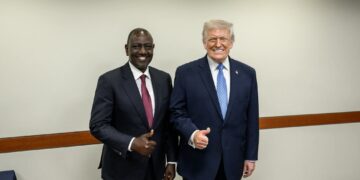
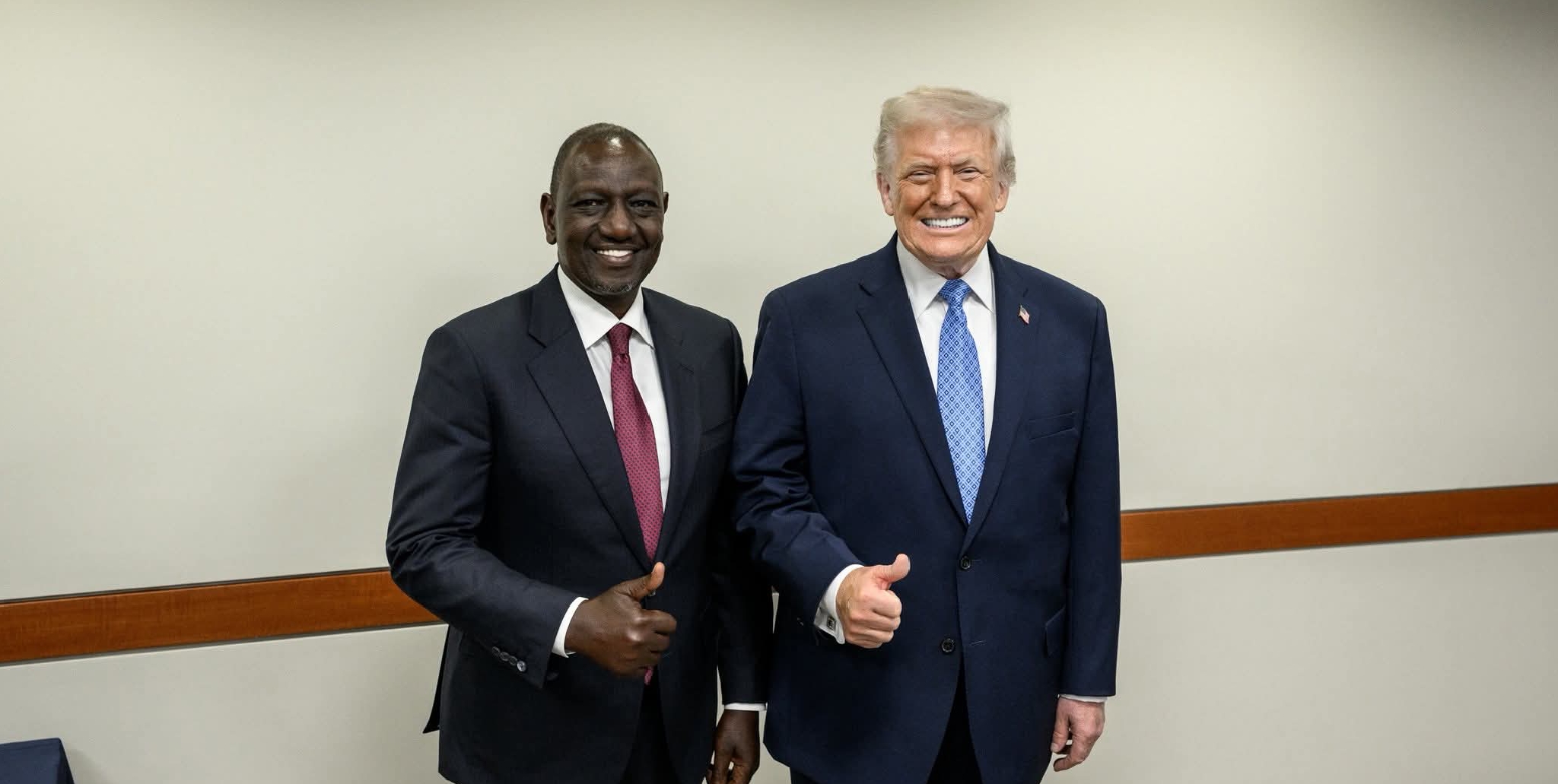
Kenya’s President William Ruto welcomed the U.S. support, saying local processing of minerals will help his government create jobs.
“In critical minerals, we are accelerating the responsible exploration and development of rare-earth elements, titanium, graphite, lithium, niobium and other strategic resources,” Ruto said at the meeting.
U.S. company Critical Metals Corp and Australia’s RareX said in July they had been shortlisted to compete for the rights to develop Mrima Hill.
Kenya’s government has not published a shortlist but there are six companies on the list with two of them from the U.S., Harry Kimtai, the principal secretary for Kenya’s state department of mining, said at the meeting.
Kenya and the U.S. have agreed on the appropriate way to develop the mining sector, the U.S. acting deputy assistant secretary of state for Southern Africa and critical minerals, Chris Kulukundis said.
“The Mrima Hill tender process is moving forward in a transparent manner. We have two U.S. consortia that we believe are going to be able, if successful and if chosen, to develop the project in the correct way,” he said.
Ruto had in June said Kenya and the U.S. were close to sealing a critical minerals deal. Neither side provided an update on the agreement on Wednesday.
Garcia said the United States favoured a mining development model that includes local processing and value addition in producing countries.
“Some of our competitors are efficient at one thing: pulling minerals out of the ground, whisking them offshore and capturing all value addition far away from the lands from which the minerals originated,” he said.
China, which has faced criticism from some governments and advocacy groups over exporting raw minerals for processing elsewhere, has rejected such accusations.