





By Emmanuel Nduka
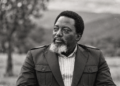
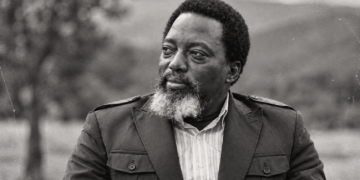
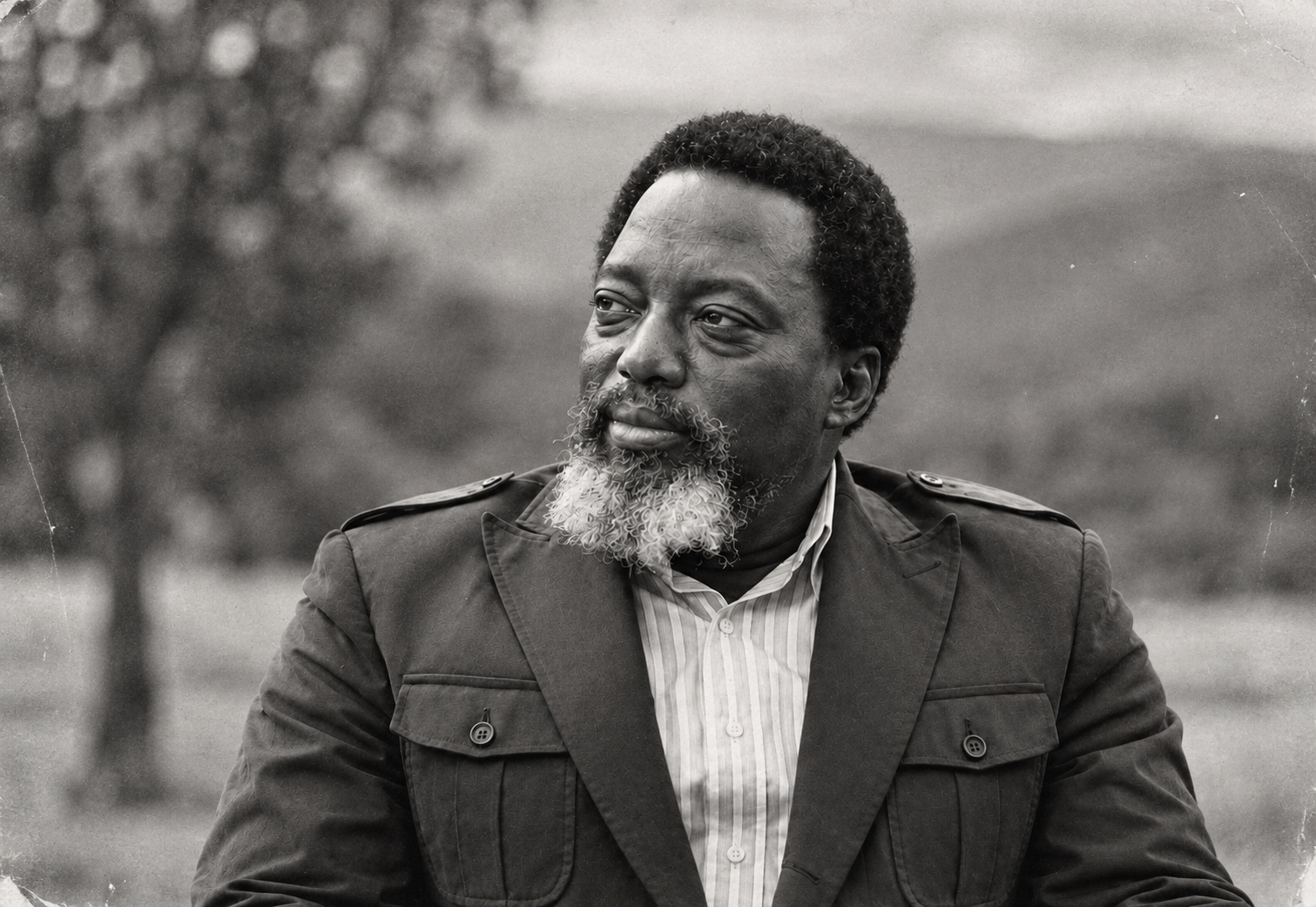
Former Democratic Republic of Congo (DR Congo) President Joseph Kabila has formally joined forces with the M23 rebel movement to establish a new political-military coalition, in a development that could intensify the country’s protracted security crisis and complicate ongoing efforts to restore peace in its conflict-ravaged eastern region.
The new coalition, known as the Front for the Refoundation of the Nation (FRN), was unveiled on Monday in the eastern city of Goma, where the former president announced his leadership of the alliance alongside figures associated with the M23 insurgency and its political wing, the Congo River Alliance (AFC). The development marks a more direct involvement by Kabila in a movement challenging the government of President Félix Tshisekedi.
The coalition brings together political and armed opposition factions under a common platform, with a stated ambition to challenge what its leaders describe as tyranny and rebuild the Congolese state. Adviser to the new alliance, Claude Ibalanky, said the movement would coordinate resistance forces across the country, including through the use of force.
The formation of the FRN follows the announced dissolution of the AFC, the political umbrella associated with M23, and its replacement by the new coalition. The declaration signals a significant reorganisation of the opposition movement, although the precise implications for the existing rebel command structure and ongoing peace negotiations remain uncertain.
Kabila’s emergence at the head of the new alliance is particularly significant given his troubled relationship with the Congolese authorities. The 55-year-old former president, who governed the country from 2001 to 2019, was sentenced to death in absentia by a military court in September 2025 after being convicted of treason, war crimes and crimes against humanity over alleged links to the rebellion.
The former president has rejected the accusations, describing the proceedings as politically motivated. The United States also imposed sanctions on him earlier this year over his alleged role in supporting rebel groups operating in eastern DR Congo.
The M23 movement controls extensive territories in the country’s mineral-rich east, including Goma, which it captured in January 2025. The insurgency has deepened insecurity in the region, where decades of armed conflict have displaced civilians, disrupted economic activities and fuelled one of the world’s most severe humanitarian crises.
The United Nations, the United States and the Congolese government have accused neighbouring Rwanda of supporting M23, an allegation Kigali denies. The conflict has consequently become a major regional security concern, with international efforts focused on addressing cross-border tensions and securing a lasting ceasefire.
Kabila’s formal alliance with the rebel movement also threatens to complicate diplomatic initiatives aimed at ending the fighting. Negotiations involving the Congolese government and M23, facilitated by Qatar, have struggled to secure a durable cessation of hostilities, while separate diplomatic efforts have sought to ease tensions between Kinshasa and Kigali.
Analysts have warned that Kabila’s leadership role could heighten political confrontation with Tshisekedi and further undermine the prospects for a negotiated settlement. His involvement adds a former head of state with extensive experience of Congolese politics to an insurgent coalition already holding significant territory in the east.
The development comes as political tensions rise ahead of the end of Tshisekedi’s second presidential term in 2028. Debate over possible constitutional changes has added to concerns about the country’s political direction, while the persistent insurgency continues to challenge the government’s authority and territorial control.
With Kabila now at the head of a coalition incorporating M23-linked political and military figures, the central question is whether the new arrangement will open another front in the struggle for power or further narrow the space for a negotiated end to the conflict.