












By Emmanuel Nduka
Nigeria and the African Development Bank (AfDB) have agreed to review the country’s $6.2 billion project portfolio in a renewed push to remove implementation bottlenecks, accelerate project delivery and maximize the economic benefits of development financing.
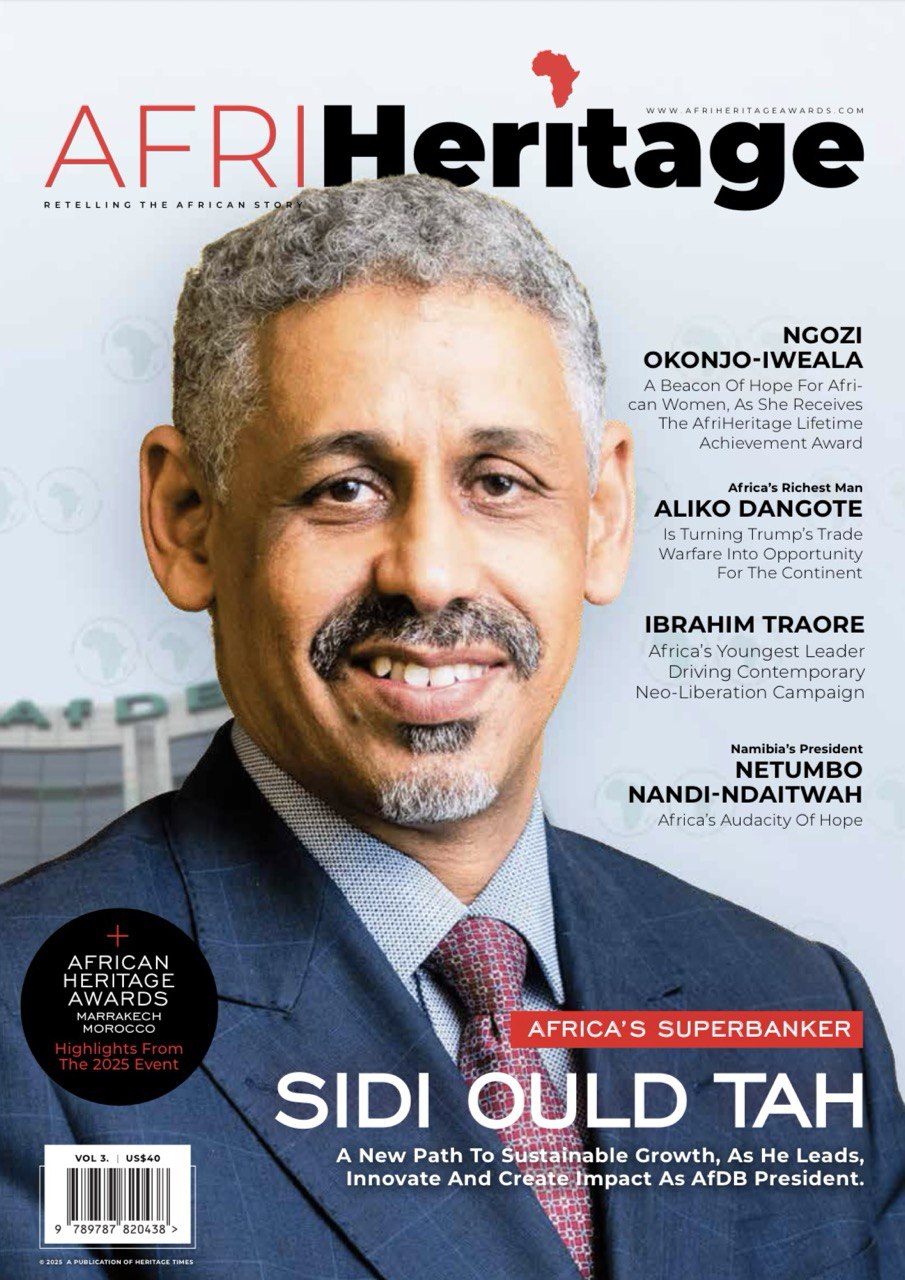
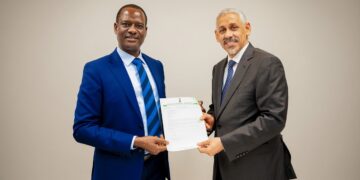
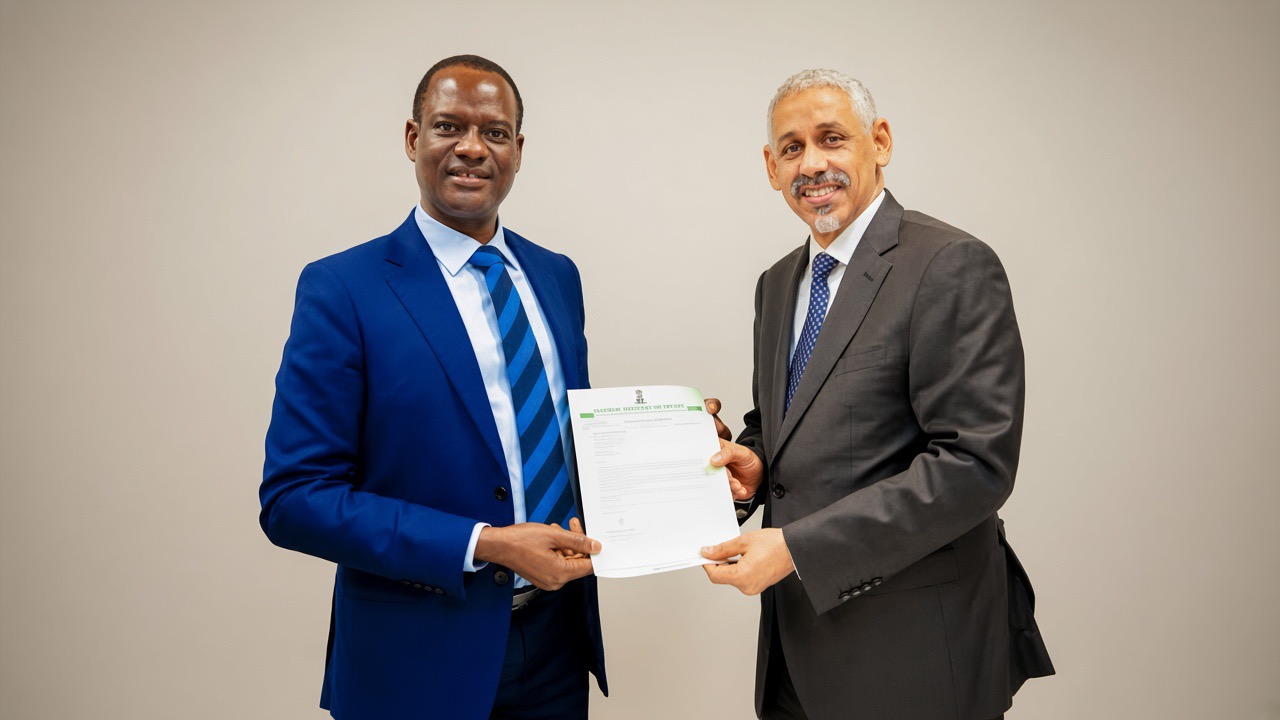
The agreement was reached on Monday in Bangkok, Thailand, during a meeting between Nigeria’s Minister of Finance and Coordinating Minister of the Economy, Taiwo Oyedele, and AfDB President Sidi Ould Tah, on the sidelines of the 2026 Annual Meetings of the International Monetary Fund and the World Bank Group.
The portfolio comprises 55 public and private sector operations, making Nigeria the AfDB’s largest country portfolio in Africa. The proposed review is expected to identify challenges affecting project execution and align ongoing operations more closely with the Federal Government’s development priorities.
The review comes amid growing pressure on governments to ensure that development financing translates into completed projects, improved infrastructure and measurable economic outcomes. For Nigeria, accelerating the implementation of AfDB-supported projects could help unlock the value of existing investments, strengthen productive capacity and support economic growth.
Rather than representing a new funding commitment, the $6.2 billion portfolio reflects the scale of the bank’s existing operations in Nigeria. The immediate priority is to address obstacles preventing projects from progressing as planned and ensure that available resources deliver the intended results.
Oyedele also reaffirmed Nigeria’s commitment to maintaining its position as the AfDB’s largest shareholder and meeting its capital subscription obligations. He expressed support for Ould Tah’s strategic agenda, which focuses on mobilising financing for Africa’s development, strengthening financial sovereignty, harnessing the continent’s demographic potential and promoting resilient infrastructure through local value addition.
The discussions also addressed the high cost of borrowing faced by African economies and concerns over how international credit ratings assess the continent’s economic fundamentals. Higher borrowing costs can limit governments’ capacity to finance infrastructure and development programmes, making access to affordable and sustainable financing a critical economic priority.
In response, Ould Tah disclosed that the AfDB was developing a facility to provide African governments with technical and analytical support in their engagements with credit rating agencies. The initiative is intended to help countries present stronger economic evidence and engage more effectively with ratings institutions.
Other issues discussed included African financial integration, local-currency transactions, trade insurance and credit-enhancement mechanisms to reduce investment risks and encourage private-sector participation in development financing.
The AfDB president is also expected to visit Nigeria for engagements with President Bola Tinubu, senior government officials and other stakeholders to strengthen cooperation and advance discussions on the country’s development priorities.
For Nigeria, the success of the portfolio review will ultimately depend on the speed with which identified bottlenecks are resolved, projects are completed and investments translate into tangible benefits for businesses and citizens.
With 55 operations valued at $6.2 billion under its existing portfolio, the country faces a significant opportunity to strengthen the impact of its partnership with the AfDB. The challenge is to ensure that the review produces more than administrative adjustments, delivering instead faster execution, stronger accountability and measurable development outcomes.