









By Emmanuel Nduka
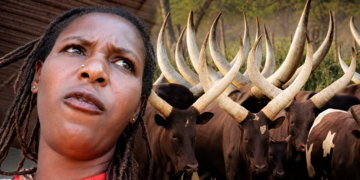
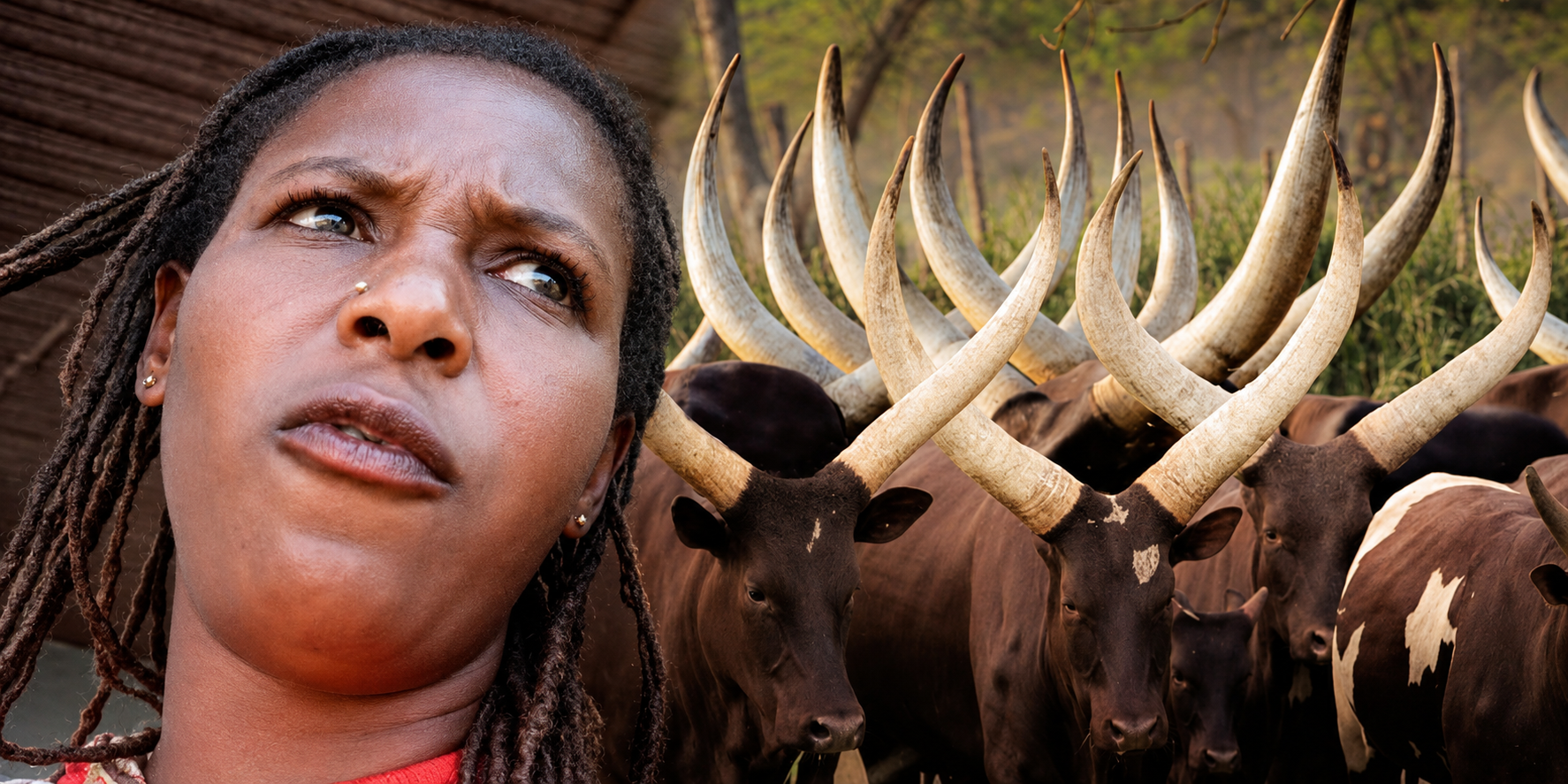
A Ghanaian court has sentenced TikToker Camilla Alhassan to one year in prison after she pleaded guilty to publishing false claims that President John Mahama sacrificed 32 cows in a ritual to secure victory in Ghana’s 2024 presidential election.
The 43-year-old content creator was convicted on charges of offensive conduct and publication of false news following a series of videos posted on TikTok last month and earlier this month.
In the videos, Alhassan alleged without providing any evidence, that President Mahama performed a ritual involving the sacrifice of 32 cows to influence the outcome of the presidential election. She also claimed that the government’s distribution of sanitary pads to flood victims was intended to conceal the alleged ritual.
The court rejected her plea for a reduced sentence, ruling that a custodial punishment was necessary to deter the growing spread of misinformation on social media platforms.
Prosecutors told the court that Alhassan, who has more than 70,000 followers on TikTok, made false and defamatory allegations against the president through videos that gained widespread circulation online.
Her conviction has reignited public debate in Ghana over how authorities should tackle the increasing spread of misinformation while safeguarding citizens’ constitutional right to freedom of expression.
The case is the latest in a series of prosecutions involving social media influencers in the West African nation.
In September last year, another Ghanaian TikToker, David Kwodwo Prah Afful, popularly known as Kwame Nkrumah II, was sentenced to seven months in prison after being convicted of issuing death threats against President Mahama and members of parliament in a viral video.
The Mahama administration has repeatedly warned against the dangers of false information circulating online. Last year, the president said security agencies would identify and prosecute individuals responsible for spreading falsehoods, hate speech and messages capable of causing fear and public panic.
The Ghanaian government is also considering new legislation aimed at combating misinformation while preserving constitutional protections for freedom of expression.