




















By Enyichukwu Enemanna
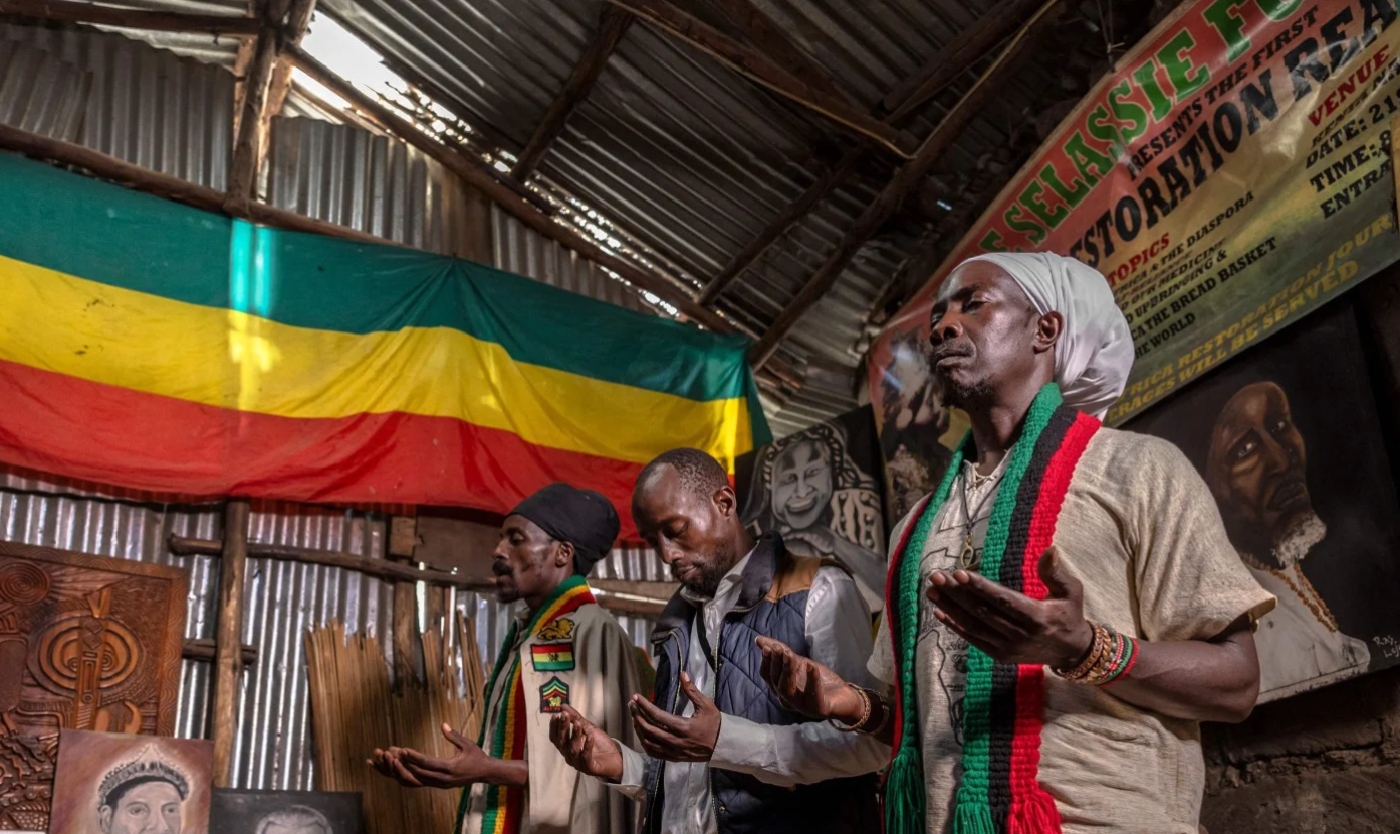
A High Court in Kenya has dismissed a filing by a Rastafarian group seeking to legalise the use of cannabis, otherwise known as Indian hemp for religious purposes.
The Rastafarian community had told the court that the ban on smoking cannabis infringed on their rights to freedom of religion and belief guaranteed under the constitution.
Justice Bahati Mwamuye in his ruling held that the community failed to prove drug laws violated their constitutional rights, but acknowledged the need for a broader national debate on cannabis.
In their petition, the Rastafari Society of Kenya had argued that cannabis was a sacred sacrament in their faith and sought permission for followers to grow, possess and use it privately during worship without fear of arrest.
It maintained it was not asking for the wholesale legalisation of cannabis, but a limited exemption for religious purposes in private homes and designated places of worship.
In their submission, the Rastafarians argued that smoking cannabis was part of their religious doctrine which must be respected and upheld.
There has been a continued push to legalise cannabis in Kenya, with advocates arguing that its regulated cultivation and trade could create jobs, boost tax revenue and support industrial and medicinal uses.
Under Kenya’s Narcotic Drugs and Psychotropic Substances (Control) Act, possession of cannabis remains a criminal offence.
A person convicted of possessing cannabis solely for personal use is liable to up to five years’ imprisonment or a fine of up to $800 (£600).
Cultivating cannabis carries a penalty of a fine of $1,900 or three times the market value of the plants, whichever is greater, and/or up to 20 years in jail.
More severe penalties apply to trafficking and other drug-related offences.
The state opposes Rastafarians plea, arguing that creating a religious exemption would undermine the enforcement of Kenya’s anti-drug laws and could create loopholes for illegal cannabis trafficking.
Justice Mwamuye also found that the evidence presented on the centrality of cannabis to the Rastafari faith was inconsistent and insufficient to establish that its use was an essential element of the religion.
He upheld the constitutionality of the drug laws prohibiting the cultivation, possession and use of cannabis, dealing a major blow to the Rastafarians’ six-year legal battle.
The judge noted that any exemption permitting the use of cannabis for religious purposes would require a sound constitutional and legal foundation.
“We ought to have frank conversations on cannabis and which directions we should take,” Justice Mwamuye said.
“This is not a question for the Rastafarian community only. It is a national question that cuts across the entire spectrum of our society,” he added.
The community’s lawyer Danstan Omari said they would appeal against the court ruling.