















By Enyichukwu Enemanna
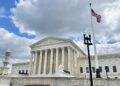
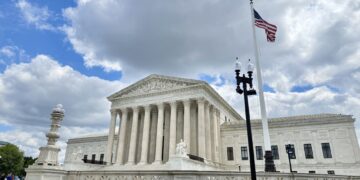
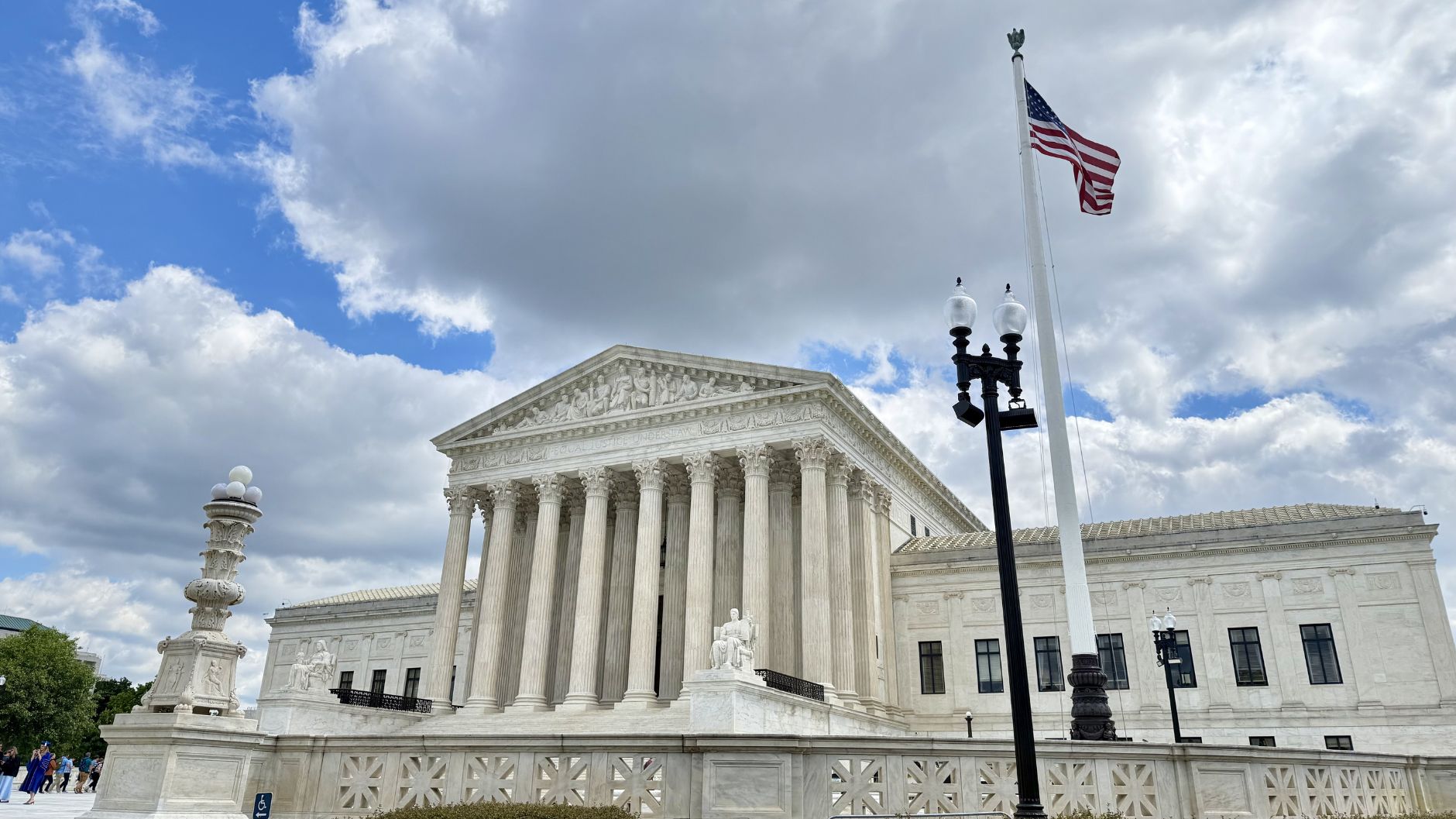
US Supreme Court on Tuesday agreed to consider if a Nigerian national, Izuchukwu Ozurumba is ineligible for asylum because he cooked meals at a camp for leaders of a group that the U.S. government considers to be a terrorist organization.
The high court, granting a request by President Donald Trump’s administration, will hear arguments on whether Ozurumba’s cooking job for leaders of the Unknown Gunmen qualifies as providing “material support” for a terrorist group.
The Justice Department had asked the Supreme Court to review a decision by the Richmond, Virginia-based 4th U.S. Circuit Court of Appeals to vacate Ozurumba’s removal order.
The Republican administration says the 4th Circuit decision conflicts with rulings by at least three other circuits and, if upheld, will hamper the government’s ability to deport immigrants with terrorism ties in many other cases.
“Providing meals to a terrorist organization’s members is no less a material form of support than providing gasoline for its vehicles,” they wrote.
Ozurumba testified that he didn’t know the true purpose of the camp until after he started working there. The Unknown Gunmen is believed to be a group of separatists operating in the South East region of Nigeria.
Ozurumba’s lawyers say the group’s leaders forced him to work without pay and repeatedly threatened him after he escaped from the camp.
The lawyers also argued that there is no circuit split for the Supreme Court to resolve.
“No federal court has adopted the government’s rule, under which any interaction with a terrorist organization, no matter how attenuated or inconsequential, qualifies as ‘material’ support,” they wrote.
Ozurumba fled the camp near his home and traveled to Venezuela before entering the U.S. illegally in July 2023 and surrendered to Border Patrol.
Several months later, an immigration judge ordered Ozurumba to be deported to Nigeria.
A divided 4th Circuit panel decided that Ozurumba’s work at the camp didn’t constitute material support of terrorism.
The majority opinion says it appears that he was “simply a captive laborer” whose work had nothing to do with terrorist activities.