
















By Enyichukwu Enemanna
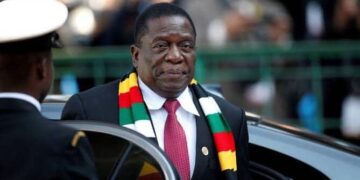
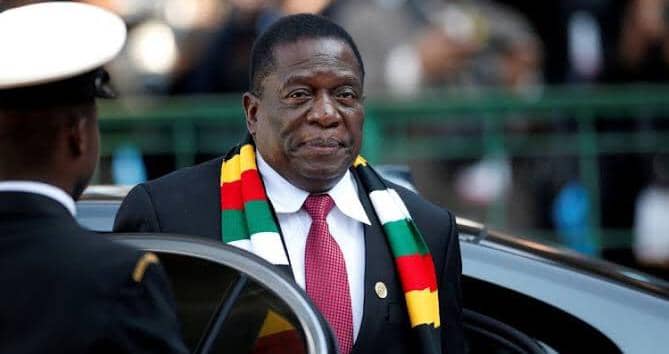
Zimbabwe’s lower legislative chamber on Thursday passed a bill which extends presidential term from five to seven years, allowing President Emmerson Mnangagwa to remain in power until 2030, an additional two years that has been challenged by war veterans.
The bill was passed by over two-thirds majority of 216 lawmakers. Only 187 was required to achieve the benchmark.
The bill now moves to the upper house of parliament, where it is also expected to receive approval. Mnangagwa’s governing ZANU-PF party controls the chamber through traditional leaders and other proxies who generally vote with the party.
Chants by supporters of Mnangagwa, 83 at ZANU-PF rallies last year, in which they said he needed time to complete his agenda had fuelled suspicion that he may seek a constitutional amendment to stay in office beyond 2028.
The party last year resolved to change the constitution to increase presidential terms and the plan proposal cabinet backing in February.
Critics say the bill is a ruse for Mnangagwa to stay in power for longer, though its supporters say it will strengthen accountability and foster political stability.
Nicknamed “the crocodile,” an animal portrayed in Zimbabwean lore as stealthy and ruthless, Mnangagwa came to power after a 2017 military coup that ousted longtime leader Robert Mugabe, who had been in power since independence in 1980.
Until they fell out in the months leading up to the coup, Mnangagwa was one of Mugabe’s closest allies, serving in top government positions including vice president.
Some activists and veterans of the country’s liberation struggle had kicked against the planned tenure extension, instituting a legal action against the move to extend Mnangagwa’s time as head of state.
This week, a court struck out their case on technical ground.