








By Enyichukwu Enemanna
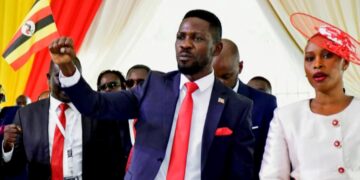
Uganda’s leading opposition candidate in the January 15 election says if elected the country’s next President, he would review agreements with international oil firms and revise those that to not work in the interest of Ugandans.
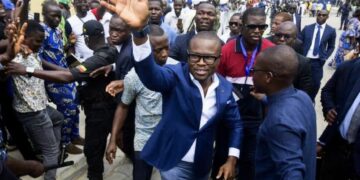
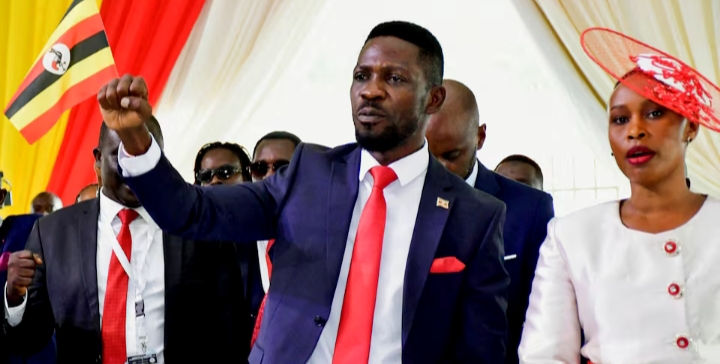
Bobi Wine, a former pop star who is challenging President Yoweri Museveni for the second straight election after securing 35% of the vote in 2021 in an interview in Kampala said, “We shall study all agreements.”
The East African country is hoping to commence commercial crude oil production later this year when fields run by France’s TotalEnergies, China’s CNOOC and Uganda National Oil Company come online. TotalEnergies and CNOOC both operate on the basis of production-sharing agreements with the government.
“And any part in those agreements that does not favour Ugandans will definitely be revised.”
Uganda’s oil reserves are estimated at 6.65 billion barrels. It discovered the oil 20 years ago but production has been delayed as a result of disagreements between international firms and the government, as well as opposition from environmental activists.
Wine, whose real name is Robert Kyagulanyi in the interview also criticised Uganda’s Western allies for what he described as their “hypocrisy” in continuing to provide financial support to Museveni’s government despite crackdowns on opposition supporters.
Museveni, 81, has governed Uganda for 40 years. His opponents and human rights activists regularly accuse his government of violently repressing its critics.
Wine said he had been beaten twice by security forces during campaigns and blocked from campaigning in certain areas.
According to Wine and the United Nations, hundreds of opposition supporters have been detained during the campaign.
But the government has denied alleged crackdown on opposition, claiming that all arrests are based on legitimate criminal violations.
“These Western countries have laws … that they can invoke to slap sanctions on those that violate human rights,” Wine said.
He added, “Unfortunately, they have not. So that comes off as if diplomacy is more important than democracy to them. It comes off as if business is more important than human rights.”