











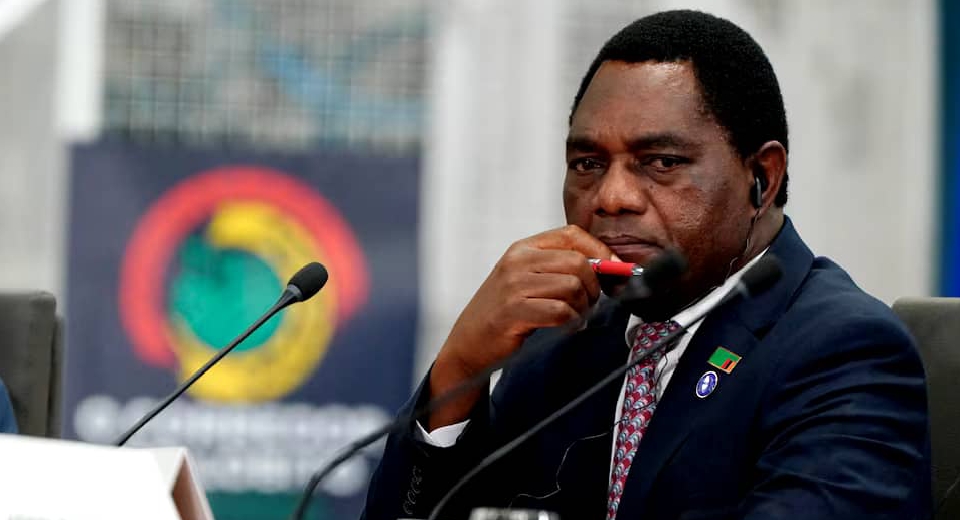
The Zambian government has officially declared the country’s fuel supply situation an emergency as the ongoing Middle East conflict pushes global energy prices to new highs.
Fuel Shortage Impacts
Despite being thousands of kilometres from the front lines, Zambians are already feeling the impact of disruptions linked to Iran’s effective blockade of the Strait of Hormuz, a key global shipping lane.
Local residents report difficulties in sourcing fuel. “You have to spend hours just looking for petrol,” said Fredrick Nabuzoka. “The war needs to end before supply stabilises. My operations have slowed. I cannot move goods or travel as I used to because of the fuel shortage,” Fridah Mbiza, a small business owner, added.
Regional Energy Insecurity
Energy experts warn that Zambia is not alone in facing such pressures. Johnstone Chikwanda, a local analyst, explained, “The energy insecurity extends across much of Africa, affecting roughly 75 percent of countries on the continent. For Zambia, prices are expected to rise, and the bigger worry is availability—not just cost”.
Government Response
In response, the government’s cabinet approved measures in late March to ease the burden. These include zero-rating value-added tax (VAT) and suspending excise duties on petrol and diesel imports for three months. The aim is to cushion businesses and households from price shocks while maintaining essential fuel supplies.
Global Implications
Zambia’s crisis underscores how geopolitical conflicts far from Africa’s borders can have immediate and tangible effects on everyday life, from transport to commerce. Analysts warn that without sustained international fuel supply, the situation could worsen in the coming weeks.