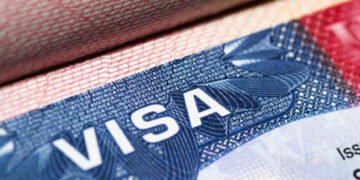



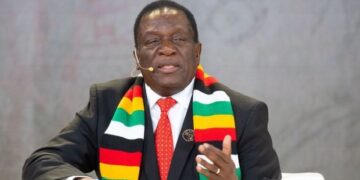


Nigeria and several African and Caribbean nations risk facing visa restrictions to the United Kingdom if Reform UK wins the next general election, amid rising tensions over calls for slavery reparations.
Proposed Policy Framework
The proposed policy, which targets countries that have formally demanded reparations, has been framed by the party as a response to what it considers growing pressure on Britain over its historical role in the transatlantic slave trade.
According to a report by the Daily Mail, Reform UK’s home affairs spokesperson, Zia Yusuf, defended the move, stating, “A growing number of countries are demanding reparations from Britain. They ignore the fact that Britain made huge sacrifices to be the first major power to outlaw slavery and enforce this prohibition.
“Astonishingly, these countries have received 3.8 million visas and £6.6 billion in foreign aid over the past 20 years. Enough is enough.”
Affected Countries
Countries that could be affected include Nigeria, Jamaica, Kenya, Haiti, Guyana, Barbados and The Bahamas, raising concerns that their citizens may face stricter entry requirements under a future Reform UK government.
UN Resolution on Reparations
The development follows a recent United Nations resolution urging former colonial powers to provide reparations for slavery. The resolution described the forced displacement of Africans as one of the “gravest crimes against humanity,” a vote the United Kingdom abstained from.
Nigel Farage’s Response
Reacting, Reform UK leader Nigel Farage criticised the UN’s position, saying, “It is now the UN telling us we should go bankrupt, to apologise for what people did in 1775 or whatever it might have been. Forget it. The UN has no legitimacy over this country whatsoever.”
Foreign Aid Cuts
The party has also pledged to slash foreign aid spending to £1 billion annually, representing a sharp reduction of about 90 per cent.
UK Government Position
Meanwhile, the UK Foreign Office acknowledged the enduring impact of slavery but maintained that its stance on reparations remains unchanged. Opposition leader Keir Starmer also dismissed calls for apology or compensation, stating, “I want to look at the future rather than spend a lot of time on the past.”
Global Momentum for Reparations
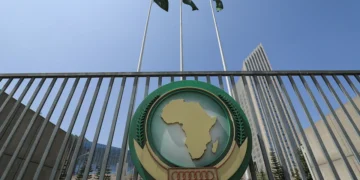
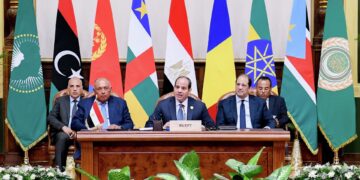
The reparations debate has gained renewed momentum globally, with countries such as Ghana, alongside blocs like CARICOM and the African Union, intensifying demands for justice, including formal apologies and restitution.