



















By Enyichukwu Enemanna
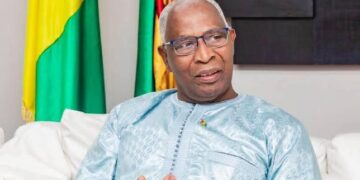
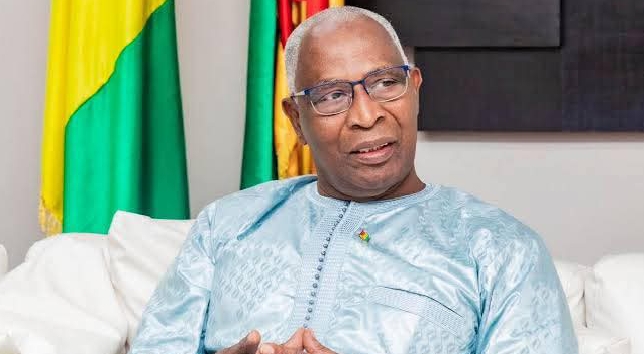
Guinean Prime Minister Amadou Oury Bah says the narrative that China is luring African countries into a “debt trap” is untrue, arguing that the continent’s development challenges are traceable to domestic governance issues, and not from its international partnerships.
Speaking on the sidelines of the World Economic Forum’s Annual Meeting of the New Champions in Dalian, China, Bah said African governments must take primary responsibility for ensuring that development partnerships deliver tangible benefits to their citizens.
“Let me be more explicit. The most critical question is whether African governments, especially our own, have the judgment and wisdom to find the best ways to turn development opportunities into real benefits for our people and our country.
“Conversely, if we harbour the illusion that we can achieve development simply by cooperating with China, or that others will bring development opportunities directly to our doorstep while we bear no responsibility and make no necessary efforts of our own, then such thinking is clearly unrealistic and not in our best interests”, the Prime Minister stated.
He further highlighted that while international cooperation can create opportunities, success ultimately depends on how African governments manage those opportunities through sound governance and effective institutions.
He argued that countries which fail to capitalize on development partnerships often shift the blame to debt or external actors, rather than addressing internal shortcomings.
The Prime Minister also emphasised his country’s long-standing relationship with China. Guinea was the first country in sub-Saharan Africa to establish diplomatic relations with Beijing in 1959, and economic ties have expanded steadily over the decades.
Bilateral trade reached more than 18 billion U.S. dollars in 2025, an indication of a growing cooperation between the two countries.
Analysts have been critical of China’s roles in infrastructure financing in as well as development projects in Africa.
Such interventions have usually generated debate over the continent’s debt sustainability and the long-term impact of Chinese lending on the continent.