













By Emmanuel Nduka
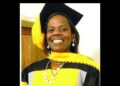
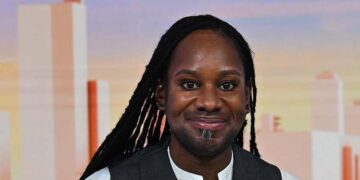
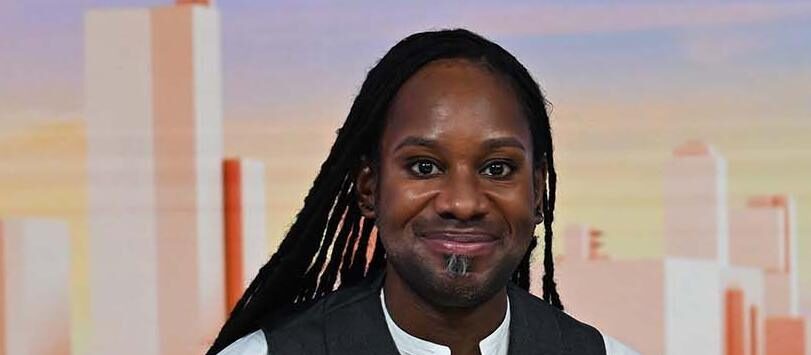
Former University of Cambridge professor Jason Arday, who made history as the institution’s youngest Black professor, has died at the age of 41, days after resigning amid a growing controversy over allegations of plagiarism and questions surrounding his academic credentials.
Arday was found unresponsive at a property in Battersea, south London, on Friday and was pronounced dead at the scene, according to the Metropolitan Police. Authorities said his death was unexpected but is not currently being treated as suspicious.
His death came just nine days after he resigned from Cambridge, where he had served as professor of sociology of education.
Arday resigned on August 5, shortly after Cambridge announced that it had opened an investigation following new information concerning his “academic qualifications and honorary appointments”.
In his resignation statement, Arday said the intense scrutiny surrounding the allegations had taken a heavy personal toll on him and his family.
“It is with profound sadness that I write to resign, with immediate effect, from my position at the University of Cambridge and Jesus College,” he said. “When I accepted the extraordinary honour of becoming professor of sociology at Cambridge, it was, without question, the greatest professional privilege of my life,” he added.
Arday said he had reached a point where the personal cost of the controversy had become overwhelming. “The relentless accusations, speculation and public commentary have taken a profound toll on me and on those I love,” he said, adding that stepping down was, in his view, the only way to bring the controversy to an end.
The controversy intensified in July after allegations emerged that portions of Arday’s 2015 doctoral thesis closely resembled passages from another scholar’s earlier dissertation. An analysis published during the controversy identified more than 100 passages in his 401-page thesis that were identical or nearly identical to material in a 2009 dissertation by Paula Zwozdiak-Myers.
Questions were also raised about several of Arday’s academic publications, with critics alleging that some contained unattributed similarities to previously published research. Some of his earlier work was subsequently corrected to clarify citations and sources.
Arday had denied deliberately plagiarising material and maintained that some of the problems stemmed from mistakes and inadequate academic supervision.
Cambridge initially defended Arday against earlier allegations, but the university changed course after receiving what it described as new information.
“The University of Cambridge has begun an investigation following new information about Prof Arday’s academic qualifications and honorary appointments,” the university said.
It added that separate complaints concerning alleged academic misconduct remained under consideration under its research misconduct procedures.
Arday’s rise to the Cambridge professorship had previously been celebrated as a remarkable story of overcoming significant personal and educational challenges. His appointment in 2023 made him the youngest Black professor in the university’s history.
His rapid rise, however, became the subject of intense scrutiny after questions were raised over elements of his academic record and personal claims, triggering a wider debate over academic standards, institutional vetting, race and diversity within British universities.
The controversy also divided academics at Cambridge. Nearly 100 senior scholars recently called for an independent investigation into the circumstances surrounding Arday’s appointment, the university’s handling of misconduct allegations and the broader controversy.
Following news of his death, Arday’s family said they were devastated and accused a sustained campaign of misinformation and harassment of placing enormous pressure on him. They called for an end to attacks against him and his loved ones.
Cambridge Vice-Chancellor Professor Deborah Prentice expressed deep sadness over Arday’s death, while UK Education Secretary Lucy Powell also paid tribute to the former professor.
Arday’s death now brings a tragic end to a career that had been marked by extraordinary academic recognition, intense public scrutiny and, in its final weeks, a bitter dispute over allegations that Cambridge had begun formally investigating.