















Nigerians are increasingly worried about vote-buying, electoral violence and politicians violating electoral laws ahead of the forthcoming elections, despite strong public support for democracy, findings from a new Afrobarometer survey have revealed.
The survey also showed that while majority of Nigerians remain committed to democratic governance, satisfaction with the country’s democracy has continued to decline, with only 55 per cent expressing satisfaction with the system.
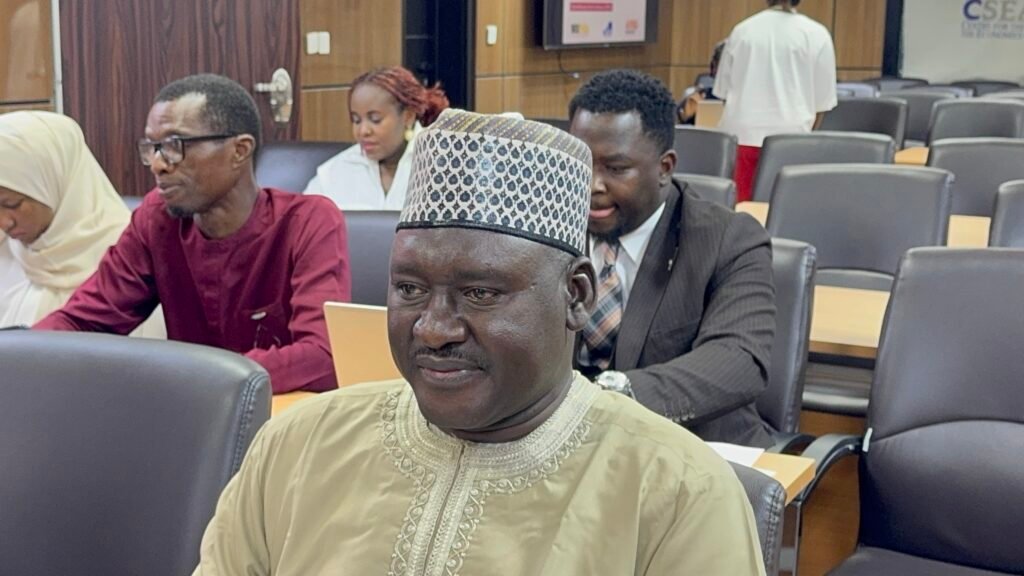
The findings were disclosed by Head of Social Research at NOIPolls, Raphael Mbaegbu, while addressing journalists on Wednesday in Abuja, following a High-Level Stakeholder Dialogue hosted by NOIPolls, the Afrobarometer National Partner in Nigeria, on the findings of the Afrobarometer Round 11 Survey.
Mbaegbu explained that the survey was the first in a series of releases examining Nigerians’ perceptions of elections and democracy, noting that although democratic preference remained high, support for democracy was declining.
He stated that about 70 per cent of Nigerians indicated their willingness to vote in the forthcoming elections, but expressed concerns over the credibility of the electoral process, particularly the possibility of vote-buying, violence and politicians disregarding electoral laws.
According to him, the findings were intended to provide stakeholders with evidence of citizens’ expectations and concerns, urging electoral officials, security agencies, political parties and other stakeholders to utilise the data in strengthening electoral processes.
Mbaegbu added that security remained a major concern, warning that fears of electoral violence could discourage citizens from participating in elections if adequate protection was not guaranteed.
He said that ensuring the safety of voters before, during and after elections was essential to building confidence in the electoral process and strengthening democratic participation.
The survey covered 1,600 Nigerian citizens aged 18 and above across all 36 states and the Federal Capital Territory, including urban and rural communities, with respondents interviewed in their homes.
The dialogue brought together stakeholders and policymakers to examine the findings and discuss evidence-based approaches to improving electoral credibility, democratic accountability and governance in Nigeria.