





By Emmanuel Nduka
African leaders have called for greater mobilisation of the continent’s domestic capital and stronger intra-African trade as part of efforts to accelerate economic growth and reduce dependence on external financing.
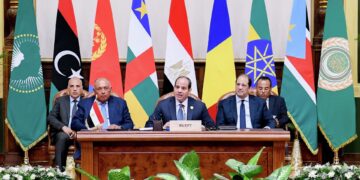
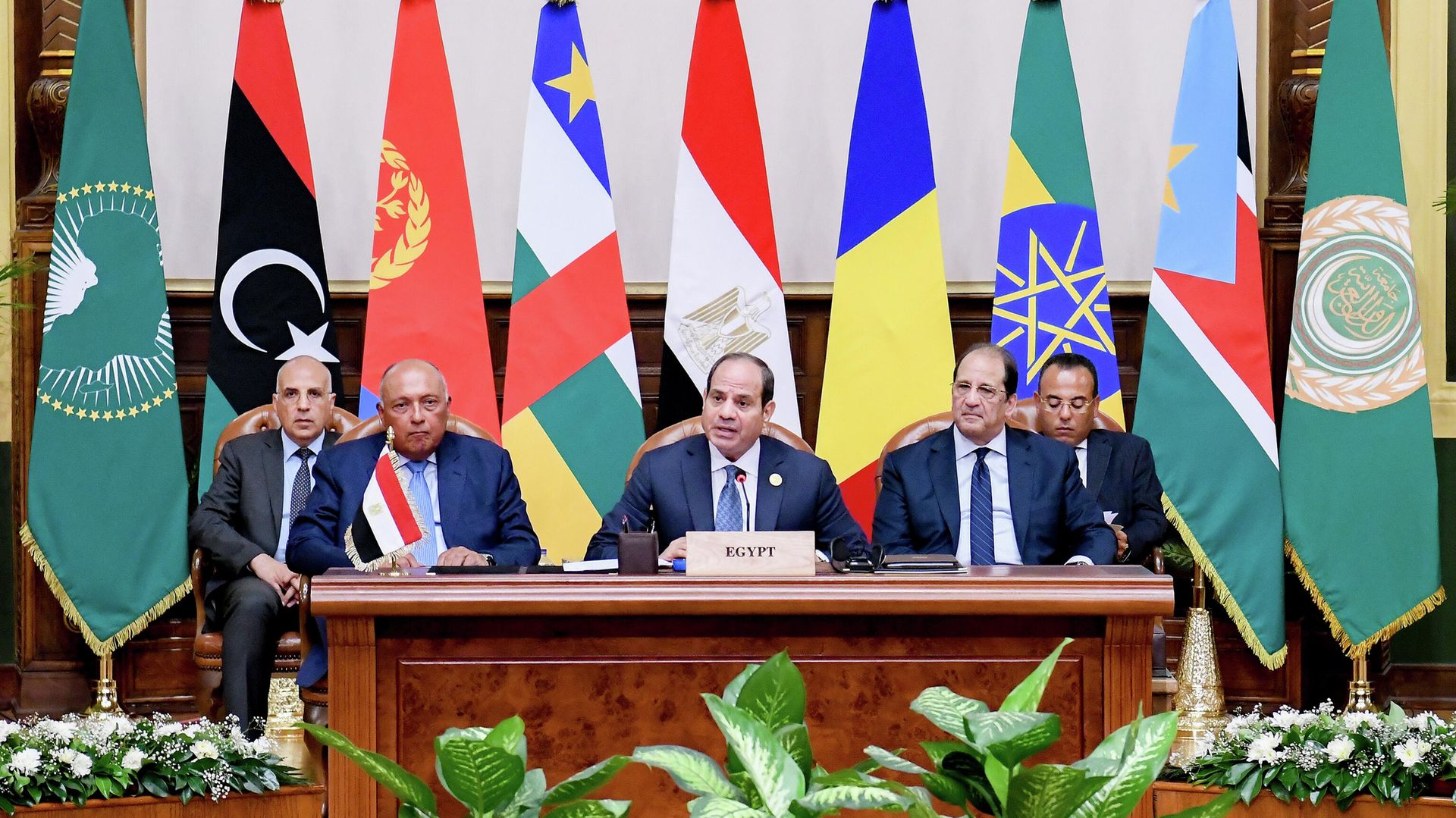
The call was made at the inaugural Alamein Africa Forum in Egypt, which brought together more than 20 African heads of state and government representatives, alongside business leaders, financial institutions and development partners.
Egyptian President Abdel Fattah al-Sisi said Africa’s private sector remained a major driver of the continent’s economy, accounting for more than 70 per cent of its Gross Domestic Product.
He, however, expressed concern that about 85 per cent of private-sector transactions involving African businesses were conducted with partners outside the continent.
Sisi said Africa must therefore strengthen economic ties among its countries and create an environment where businesses could find greater opportunities within the continent.
He also urged African countries to move away from dependence on the export of raw materials and develop industries capable of processing their resources locally.
According to him, stronger manufacturing capacity, technology transfer and integrated value chains would create jobs, boost trade and enable African countries to retain more value from their natural resources.
Chairperson of the African Union Commission, Mahmoud Ali Youssouf, said intra-African trade had recorded growth but remained significantly below the continent’s potential.
He said trade among African countries reached $220 billion in 2024, accounting for 14.4 per cent of the continent’s total trade.
Youssouf said although intra-African trade increased by 12.4 per cent during the year, significant barriers still hindered the free movement of goods, services and capital across African borders.
He identified improved infrastructure, efficient cross-border payment systems, trade facilitation and stronger regional value chains as essential to deepening economic integration.
The forum, which is expected to become a biennial event under the African Union, focused on areas including infrastructure, agriculture, healthcare, mining, technology, renewable energy and trade.
The wider AU deliberations in El-Alamein also identified inadequate productive capacity, infrastructure deficits and limited access to financing as major obstacles to Africa’s economic integration.
President of Burundi and AU Chairperson, Évariste Ndayishimiye, said establishing a continental free-trade area alone would not transform Africa’s economy.
He called for greater investment in manufacturing, technology and infrastructure to enable African countries to produce, process and trade more within the continent.
The push for greater economic self-reliance comes as Egypt continues to deepen its economic engagement with other African countries.
Egyptian officials estimate the country’s investments across Africa at about $14 billion, including its participation in Tanzania’s $3 billion Julius Nyerere Hydropower Project.
The summit also took place against the backdrop of Egypt’s longstanding dispute with Ethiopia over the Grand Ethiopian Renaissance Dam, which Cairo fears could affect its share of Nile waters.
Ethiopia, which inaugurated the dam last year, considers the project crucial to its economic development, while Egypt continues to seek a binding agreement on its operation.
Beyond the competing interests among individual countries, the discussions in Egypt highlighted a broader challenge facing Africa: how to convert its vast natural resources, growing consumer markets and human capital into sustainable economic wealth.
For the continent to achieve its integration ambitions, African leaders increasingly argue that domestic capital, local production and intra-African trade must become central to its development strategy.