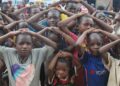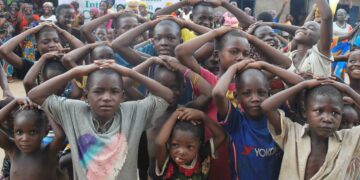

















The United Nations High Commissioner for Refugees (UNHCR) has warned that declining humanitarian funding is increasing the vulnerability of refugees, particularly children, to human trafficking, forced labour and other forms of exploitation.
The agency raised the concern in two studies conducted jointly with Nuffield College, in collaboration with the University of Oxford, focusing on Bangladesh and Ethiopia, two countries hosting more than one million refugees and asylum-seekers.
In a joint statement, UNHCR and Nuffield College explained that cuts in protection services and essential humanitarian assistance, including shelter and education, had weakened safeguards for vulnerable refugee populations, leaving them increasingly exposed to abuse and exploitation.
UNHCR Director of International Protection and Solutions, Elizabeth Tan, stressed that legal assistance, safe spaces, psychosocial support and child protection services were essential in preventing human trafficking and exploitation.
Tan warned that withdrawing or reducing such interventions would further expose refugees to traffickers and criminal networks seeking to exploit their vulnerable circumstances.
The report documented a worrying rise in human trafficking within refugee settlements in Bangladesh, particularly in the settlement around Cox’s Bazar.
According to the findings, detected trafficking cases in the settlement increased by 28 per cent between 2024 and 2025.
It further revealed that 411 victims of human trafficking were identified between January and September 2026, with children accounting for nearly 23 per cent of the cases.
The agency attributed the growing threat partly to shrinking humanitarian resources, disclosing that UNHCR’s operational budget for Bangladesh declined by more than eight per cent in 2025, leaving a funding gap of 59 per cent against its operational requirements.
The funding shortfall, it noted, had significantly affected protection services for refugee children, who constitute approximately 52 per cent of the country’s refugee population.
The report further disclosed that only 18 per cent of planned child protection requirements received funding in 2025, while financial support for family tracing and the reunification of separated children fell by more than half.
It warned that the reduction in protection interventions had heightened concerns over child labour, sexual violence, child marriage and trafficking for forced labour and sexual exploitation.
UNHCR emphasised that sustained investment in refugee protection and essential services remained critical to preventing further exploitation, particularly among children and other vulnerable groups.
The agency cautioned that without adequate funding, refugees would face growing protection risks, while existing efforts to prevent trafficking and safeguard vulnerable populations could be seriously undermined.