









By Emmanuel Nduka
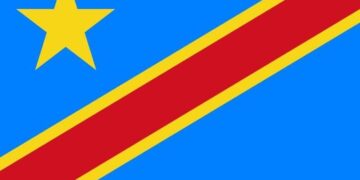
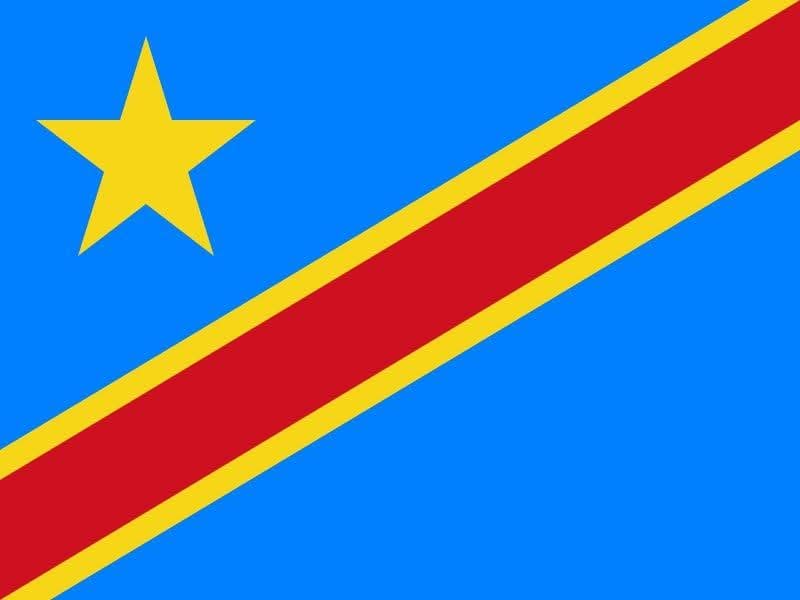
The Democratic Republic of Congo (DRC) has agreed to accept foreigners deported from the United States under a new bilateral deal, which also includes Washington seeking access to Congolese mineral resources.
According to a statement from the DRC government on Tuesday, the country will “temporarily take in third-country nationals” starting this month. However, authorities did not specify how many people would be accepted or what incentives the US offered in return.
In recent months, several African countries, including Cameroon, Equatorial Guinea, Eswatini, Ghana, Rwanda, and South Sudan, have signed similar agreements with the United States. Some of these deals reportedly include financial and logistical support from Washington.
US statistics indicate that many of the individuals targeted for deportation hold work permits and have no criminal records. Human Rights Watch has described such “opaque deals” as part of a US policy that risks violating international human rights law by using human suffering as a deterrent to migration. The NGO warned that deportees face risks of arbitrary detention, ill-treatment, and refoulement—a practice of forcibly returning people to countries where they may face persecution.
The DRC communications ministry said the deportees would be received in Kinshasa, the capital city, which has infrastructure already strained for its population of 17 million. Most homes in the city lack running water or electricity.
The ministry added that the US government would cover all logistical and technical aspects of the operation, with no cost to the Congolese government.
Beyond deportations, Kinshasa and Washington are negotiating access to DRC health data and mineral resources.
In February, the two countries signed a $1.2-billion health partnership allowing the US to collect data on epidemics. In December, the DRC granted Washington access to its copper, cobalt, coltan, and lithium reserves, critical commodities amid growing global competition.
The US has also mediated talks between the DRC and neighbouring Rwanda to stabilize the conflict-plagued eastern DRC, where much of the mineral wealth is concentrated. However, the fighting, ongoing for more than 30 years, has yet to cease.