




















By Enyichukwu Enemanna
Ship tracking data has revealed that a tanker carrying fuel originally destined for Cuba has diverted its route to Trinidad and Tobago, dealing a major blow to the Caribbean island as it battles a severe fuel shortage and widespread power outages.
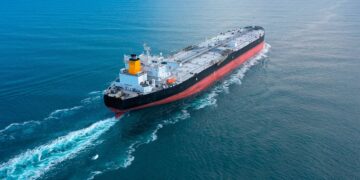
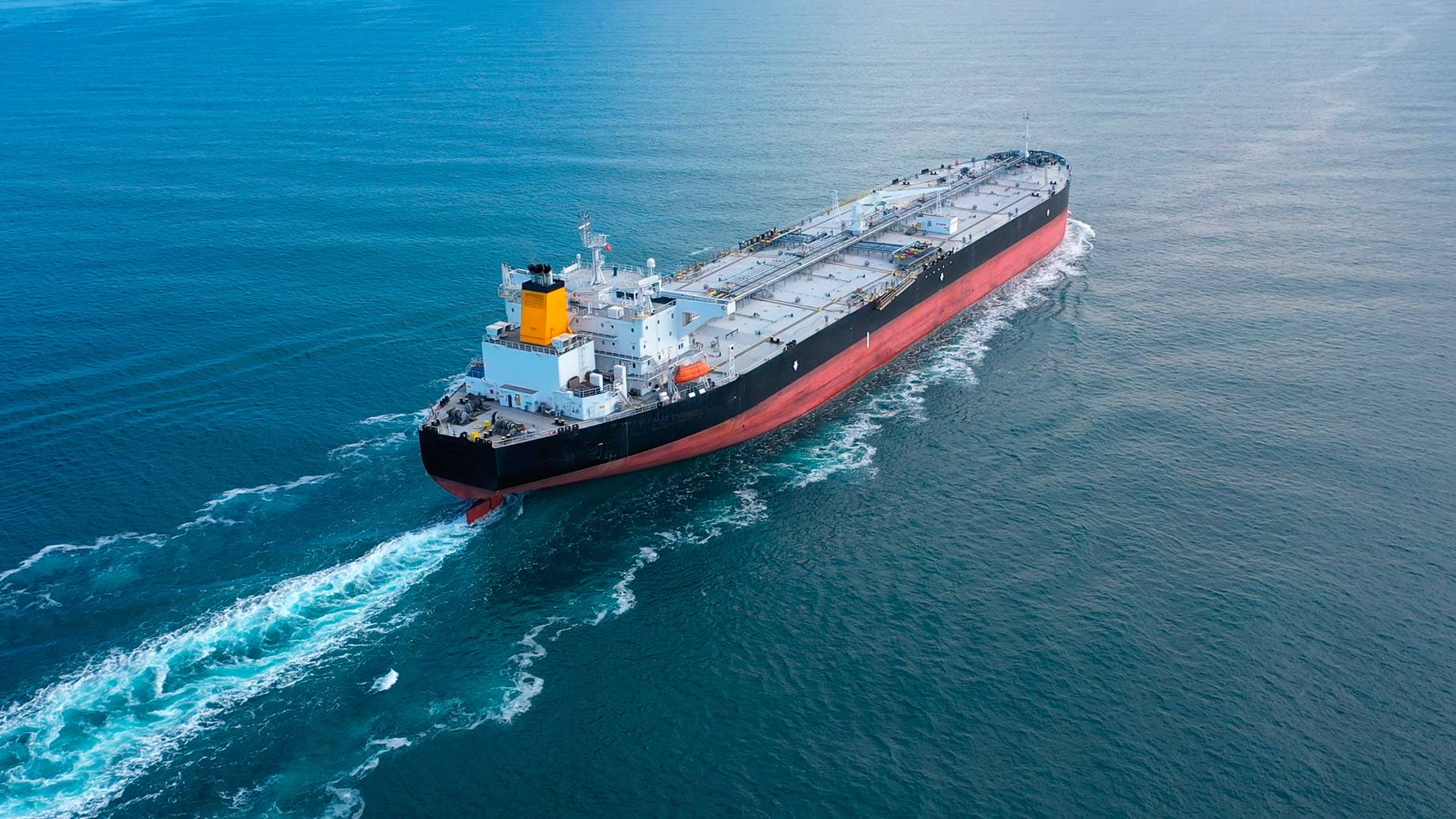
The Hong Kong-flagged tanker Sea Horse had earlier loaded a cargo of Premium Motor Spirit (PMS) through a ship-to-ship transfer in the Mediterranean before sailing toward the Caribbean.
According to several maritime intelligence firms, the cargo—believed to be of Russian origin—was initially bound for Cuba. However, the vessel suspended its journey in the middle of the Atlantic Ocean in late February.
Tanker Changes Course to Trinidad and Tobago
Recent ship tracking data from LSEG shows that the tanker has now changed course and is heading south toward Trinidad and Tobago, where it is expected to arrive on Monday.
The diversion represents a setback for Cuba, which is currently struggling with an ongoing energy crisis and insufficient fuel supplies to power its electricity grid.
US Policy Shift Impacts Russian Fuel Shipments
The development comes after the U.S. Treasury Department revised the terms of a waiver allowing the sale of Russian-origin crude oil and petroleum products already loaded onto tankers.
The updated policy now specifically excludes transactions involving Cuba, North Korea and Crimea.
The waiver adjustment is part of the Trump administration’s strategy to manage rising global crude oil and gas prices during the ongoing Middle East conflict.
Russia and Cuba Discuss Possible Assistance
Russia’s state-owned TASS news agency reported that the Russian government is currently holding discussions with Cuba regarding potential assistance to address the island’s fuel crisis. However, no further details about the aid options have been disclosed.
Fuel Shortage Triggers Power Blackouts
Cuba’s energy situation continues to deteriorate as the country has received only two oil tankers at its ports this year, according to LSEG shipping data.
The Communist-run island relies heavily on imported fuel oil and diesel to generate electricity and prevent nationwide blackouts.
With supplies running low, power outages have become increasingly frequent across the country.
Meanwhile, gasoline sales remain heavily rationed, forcing many residents to turn to the black market, where fuel is reportedly sold for around $8 per litre—approximately six times the official government price.