






















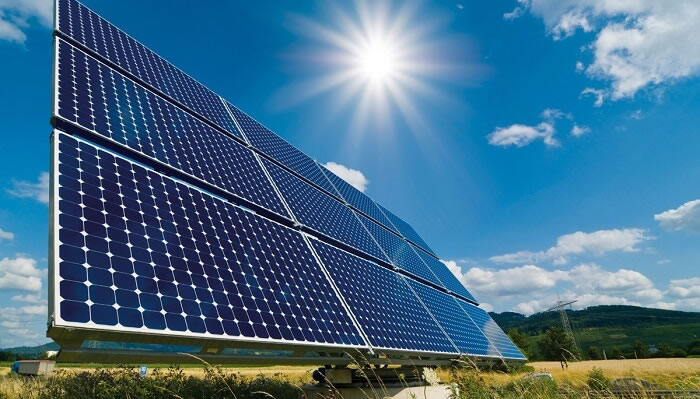
Zambia has stepped up efforts to diversify its energy mix with the unveiling of the 250-megawatt Leopards Hill Solar Project alongside a 150-megawatt battery energy storage system at Kyindu Farms in Chongwe District.
President Hakainde Hichilema described the project as a significant milestone in the country’s transition toward a more resilient and climate-responsive power sector.
The Leopards Hill Solar Project ranks among the largest privately driven renewable energy investments in Zambia, reflecting the government’s push to attract private capital into the energy space.
Implemented under ongoing sector reforms, the project is expected to reduce pressure on the national grid, which has historically relied heavily on hydropower and remains susceptible to drought-induced disruptions.
The battery energy storage system at Kyindu Farms is designed to store surplus solar energy and dispatch it during periods of high demand, enhancing grid stability and lowering the risk of load shedding.
Hichilema said the development signals growing investor confidence in Zambia’s reform agenda, which prioritises public-private partnerships and long-term sector sustainability.
“Upon completion, this project will significantly diversify our energy mix, reducing reliance on hydroelectric power and expanding generation from solar sources,” he said, while urging residents of Chongwe to protect the facility as a critical national asset.
The launch reveals efforts by the government to scale up renewable energy capacity following years of electricity shortages caused by declining water levels at key hydropower stations.
Authorities have increasingly turned to solar, wind, and other alternative energy sources to migate climate risks and support industrial expansion.