













By Emmanuel Nduka
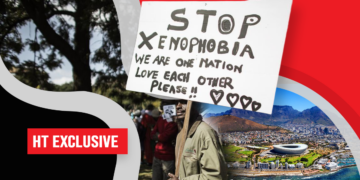
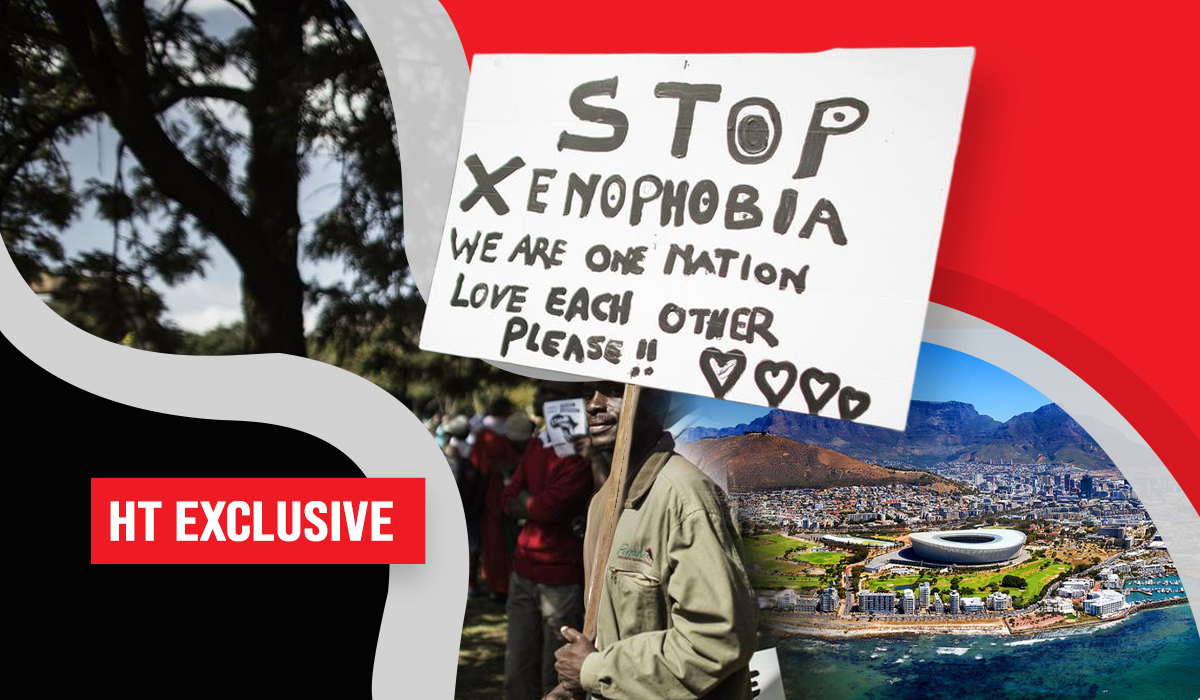
A disturbing resurgence of reckless and cold-blooded xenophobic sentiment in South Africa is triggering renewed concern across the African continent, with mounting calls for urgent leadership intervention as reports of harassment, intimidation, and alleged killings of fellow Africans continue to surface. The backlash targeting migrants from countries such as Nigeria, Ghana, Zimbabwe and others, is now being framed by analysts and regional observers as not only a security issue but a historical contradiction that threatens Africa’s collective identity.
This week, the crisis took a more disturbing turn. A viral street confrontation video from South Africa shows activist Victoria Africa (Queen Vee) and a group of locals confronting a Ghanaian national over his presence and documentation. In the footage, a chilling declaration is heard: “We are tired of seeing African migrants moving all over the world… we don’t want you in South Africa!” The video has sparked widespread debate online, raising renewed concerns about xenophobia, migration tensions, and the safety of foreign nationals within the country.
The development comes amid additional viral clips circulating in recent days, allegedly showing Nigerian nationals being lynched by mobs – images that have further inflamed outrage across Africa and reinforced fears that violence against migrants is escalating with little visible restraint.
At the heart of the growing outrage is a painful irony that many of the countries whose citizens are now being targeted were instrumental in supporting South Africa during the dark years of Apartheid. Nigeria, in particular, played a frontline role – financially, diplomatically, and politically, earning the title of a key external pillar and big brother of the anti-apartheid struggle. Through institutions like the African National Congress, exiled South Africans found refuge, funding, and global advocacy in multiple African states, including Ghana, Nigeria and others across the continent.
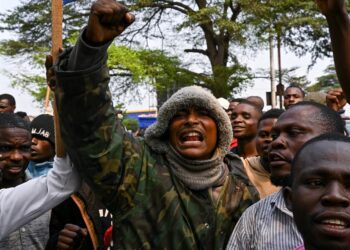
This historical context has resurfaced sharply as videos circulating online show disturbing scenes of violence and humiliation directed at African migrants. Civil society groups warn that these acts which are often attributed to economically frustrated and poorly informed segments of the population, reflect a dangerous erosion of pan-African consciousness.
Observers argue that the issue is not merely about migration pressures but about a failure of civic education. “A significant number of those involved in these acts have limited exposure beyond their immediate environment,” one regional analyst noted, pointing to a lack of awareness about Africa’s shared history and interdependence. The absence of this knowledge, they say, fuels narratives that blame foreigners for domestic economic challenges.
Comparisons with global migration patterns further expose the contradiction. Across Europe, citizens of the United Kingdom live and work freely in neighboring states, just as Europeans migrate into the UK. Similarly, cross-border movement between the United States and Canada is commonplace, with minimal hostility. Analysts argue that South Africa which stands as one of Africa’s most industrialized economies, cannot isolate itself from similar global realities.
There is also a growing emphasis on the economic cost of xenophobia. South Africa’s development, experts note, has historically benefited from foreign skills, investments, and regional trade. The experience of countries like Brazil whose growth has been shaped by diverse global contributions, underscores the importance of openness rather than exclusion.
A key flashpoint in the recurring anti-migrant tensions is the rise of ‘Operation Dudula’, a controversial grassroots campaign that has organized protests and community actions aimed at removing “undocumented” foreign nationals from townships and inner cities. While its supporters frame it as a response to unemployment and crime, critics say its activities have repeatedly fueled xenophobic rhetoric, intimidation, and violence against African migrants, making it a central factor in the broader climate of hostility now drawing continental concern.
More worrying, however, are allegations that some of the violence occurs with little accountability. Advocacy groups claim that attacks are sometimes underreported, with accusations, yet to be independently verified, alluding passive or active complicity by security forces. This perceived silence from leadership has intensified criticism of the government’s response.
In the peak of the hate campaign in 2022, a South African-based Zimbabwean human rights activist petitioned President Emmerson Mnangagwa to engage his counterpart Cyril Ramaphosa to stem the rising tide of xenophobic attacks. In a petition addressed to Zimbabwean ambassador to South Africa David Hamadziripi, activist Chandagwinyira Chose called on Mnangagwa to engage Ramaphosa over the xenophobic attacks.
“I am requesting the government of Zimbabwe to intervene in what is happening at Robertson where our dear Zimbabwean citizens are being butchered by South Africans. This is something that needs your office to intervene at a government-to-government level, as it is getting out of hand,” Chose’s letter read in part.
Pressure is now mounting on prominent South African figures, including former president Thabo Mbeki, to speak out forcefully. Many are also invoking the legacy of Nelson Mandela, whose vision of a united, inclusive Africa stands in stark contrast to current developments in the mixed-race country.
Regional stakeholders warn that failure to act could trigger diplomatic and social consequences. “If countries hosting South Africans such as Nigeria and Ghana were to adopt reciprocal measures, the fallout would be severe and destabilizing,” a policy expert cautioned. South Africans themselves form vibrant diaspora communities across Africa, Europe, and North America, further highlighting the risks of a retaliatory cycle.
As an advocate of a united and prosperous Africa, Heritage Times HT calls for a coordinated response, one that combines firm condemnation with strategic public education. Media platforms, including continental outlets, are urged to sustain pressure through consistent reporting, while governments are encouraged to launch civic campaigns that reconnect citizens with Africa’s shared history and values.