








By Emmanuel Nduka Obisue
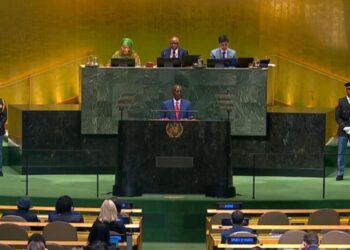
Ghana is rallying global support at the United Nations for a draft resolution seeking to formally recognise the transatlantic slave trade as one of the gravest crimes against humanity.
The initiative aims to deepen ongoing global conversations around reparations, justice, and historical accountability.
Speaking ahead of the proposal, Ghana’s Permanent Representative to the UN, Samuel Yao Kumah, urged member states to view the resolution as a crucial step toward acknowledging both the scale and enduring consequences of one of history’s most devastating systems.
Kumah dismissed concerns that the move could be interpreted as elevating one atrocity above others. He stressed that the resolution is not intended to compare suffering or create a hierarchy among crimes against humanity, but rather to highlight a historical system that fundamentally reshaped the modern world and continues to drive global inequalities.
He noted that other atrocities, including genocide, apartheid, and colonial violence, remain unequivocally condemned under international law. According to him, the focus of the resolution is recognition, not comparison.
For Ghana, the proposal represents an effort to confront history with honesty while laying the groundwork for broader discussions on justice and reparative measures.
Kumah also emphasised that backing the resolution should not be seen as an act of blame, but as a shared responsibility among nations. Acknowledging the past, he said, reflects a collective commitment to dignity, truth, and equality.
Between 1501 and 1867, more than 13 million Africans were forcibly taken across the Atlantic, separated from their families and communities. The legacy of that history continues to shape societies and global relations today.