















By Emmanuel Nduka Obisue
Sri Lanka has ordered widespread reductions in electricity usage, including switching off street lights
and illuminated billboards, as the ongoing Middle East conflict continues to disrupt
global energy supplies.
The measures, effective from Tuesday, are part of a government plan to cut national
energy consumption by at least 25 percent amid rising fuel costs and supply shortages.
Government spokesman Nalinda Jayatissa said all state institutions have been directed
to scale down electricity usage, including limiting air conditioning, as the war enters its fourth week
and continues to drive up global oil and gas prices.
“We need to reduce consumption by at least 25 percent,” Jayatissa told reporters in Colombo,
adding that the private sector is also expected to comply with the new guidelines.
Energy Restrictions
Under the measures, advertising lights must be switched off after 9:00 pm, while street
lighting will be cut except in high-security areas.
The crisis follows disruptions to global energy flows after military escalation involving Iran, Israel,
and the United States, which has affected key shipping routes and pushed up fuel prices worldwide.
Sri Lanka has already increased domestic fuel prices by about one-third since the conflict began, placing
additional strain on households and businesses.
Additional Measures To Reduce Energy Demand
To further reduce energy demand, authorities have introduced a four-day work week and
reinstated work-from-home arrangements to ease pressure on transportation and fuel consumption.
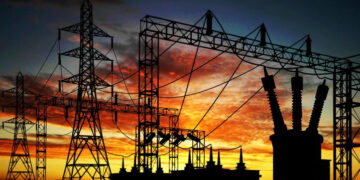
An official from the energy ministry warned that the country risks nationwide power outages if consumption
is not significantly reduced. Peak electricity demand is currently being met using coal and diesel,
both of which have become more expensive and harder to secure.
Last week, President Anura Kumara Dissanayake urged electric vehicle owners to avoid overnight
charging, noting that a surge in demand estimated at 300 megawatts has forced the country to rely
more heavily on fossil fuels to stabilize the power grid.
About half of Sri Lanka’s electricity is generated from coal and diesel, while renewable energy, though abundant
during the day, remains underutilized due to the lack of battery storage infrastructure.
“The government urges all citizens and businesses to cooperate fully to prevent blackouts and stabilize
the national power supply during this period of global energy uncertainty.”