





By Ebi Kesiena
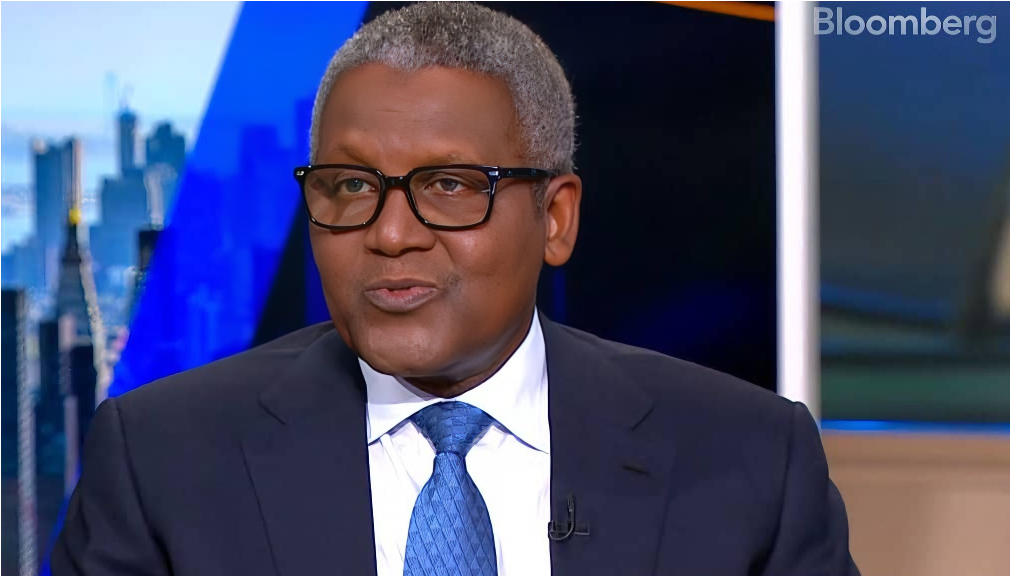
President of the Dangote Group, Aliko Dangote, has cautioned that escalating tensions
in the Middle East could force Nigeria and other African countries to adopt pandemic-era
work-from-home arrangements if the crisis worsens.
Dangote made the remarks following a meeting with President Bola Tinubu at his Ikoyi
residence in Lagos, raising concerns about the vulnerability of African economies
to volatile global oil prices and mounting debt pressures.
Economic Vulnerability Across Africa
The business magnate highlighted that many African countries lack financial buffers to withstand prolonged
shocks. A significant portion of the population depends on daily income, making economic disruptions
particularly severe.
“If the situation does not de-escalate, many Africans who rely on daily earnings may struggle to meet
basic needs,” Dangote said, stressing the fragile economic reality across the continent.
Global Work-From-Home Measures Cited
He cited Indonesia’s adoption of a four-day workweek and the potential for full remote work if conditions
deteriorate, mirroring strategies employed during the COVID-19 pandemic. Authorities in some countries
have already limited physical workdays, and a complete shift to home-based work could become necessary.
Impact On Small Businesses And Informal Sector
Dangote warned that Africa could suffer disproportionate consequences from a largely external crisis.
Rising energy costs may overburden governments’ capacity to adjust wages, with small business operators
and informal workers—barbers, bakers, and small-scale manufacturers—bearing the brunt.
He added that opportunistic pricing could exacerbate inflationary pressures, further straining ordinary
citizens.
Call For Global Action
Dangote urged urgent international efforts to de-escalate the conflict, emphasizing the importance of
collective action to prevent further economic hardship. “We must all hope and work towards a quick resolution
of the crisis,” he said.
Positive Outlook From UK Infrastructure Deal
Despite concerns, Dangote expressed optimism about the economic prospects of President Tinubu’s
recent UK visit. The £746 million infrastructure agreement secured signals growing investor
confidence in Nigeria and could deliver long-term benefits beyond its immediate financial value.