



By Emmanuel Nduka
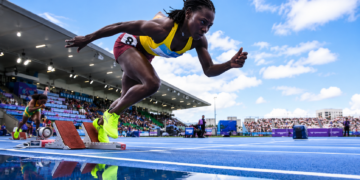
Scottish authorities have launched investigations after several athletes were reported missing following the conclusion of the 2026 Commonwealth Games in Glasgow, raising fresh concerns over a recurring trend that has shadowed previous editions of the multinational sporting event.
Police Scotland confirmed it had received reports that a number of athletes were “unaccounted for” after the Games ended on Sunday and said inquiries were underway in collaboration with the UK’s Home Office to establish the circumstances surrounding their disappearance.
Among those reported missing are four members of Uganda’s boxing team – Nuhu Batte, Angel Katushabe, Ibrahim Kemis and Emily Nakalema – who allegedly failed to board their return flight home with the rest of the delegation.
Ugandan sports outlet NBS Sport reported that one of the missing athletes had disclosed plans to seek asylum in Scotland, citing the desire to pursue boxing careers in a country offering better training facilities and greater professional opportunities. According to the report, the athlete appealed to fellow Ugandans not to judge their decision.
Team Uganda declined to comment on the development, while the remainder of the country’s contingent has already departed Glasgow.
Separately, Pakistani media reported that Pakistani boxer Qudratullah also failed to return home with his teammates. Officials reportedly discovered he was missing after finding his accommodation empty before the team’s departure.
A Police Scotland spokesperson said officers were investigating reports of several athletes whose whereabouts remain unknown.
“Police Scotland has received reports of several athletes who are unaccounted for. Inquiries are ongoing to assess the circumstances, and early engagement is taking place with the Home Office,” the spokesperson said.
Glasgow 2026 organisers said they were working closely with law enforcement and UK border authorities to ensure an orderly conclusion to the Games.
“Over the last two weeks, we have welcomed 3,000 athletes from 74 nations and territories of the Commonwealth to Glasgow,” Glasgow 2026 spokeswoman Sophie Ashcroft said.
“As athletes and support staff leave the city, we continue to work closely with wider partners – including Police Scotland, Border Force and UK Visas & Immigration – to ensure a safe and secure conclusion to the Games.”
Athletes were expected to vacate the official Games Village within two days of completing their competitions, in line with the event’s accommodation policy.
The latest disappearances echo similar incidents at previous Commonwealth Games. During the 2014 Glasgow Games, dozens of athletes failed to return to their home countries, with some later applying for asylum in the United Kingdom.
Among them were two Ugandan rugby players who were later found playing for a club in Cardiff. Another athlete, Cameroonian weightlifter Cyrille Tchatchet II, also remained in Britain after the 2014 Games before eventually rebuilding his career and returning to the Commonwealth Games in 2026, where he claimed a silver medal.
UK authorities routinely tighten immigration checks ahead of major international sporting events to reduce the risk of visa overstays and unauthorised migration. The Home Office has indicated that any asylum applications arising from the Games would be assessed individually based on the evidence and merits of each case.
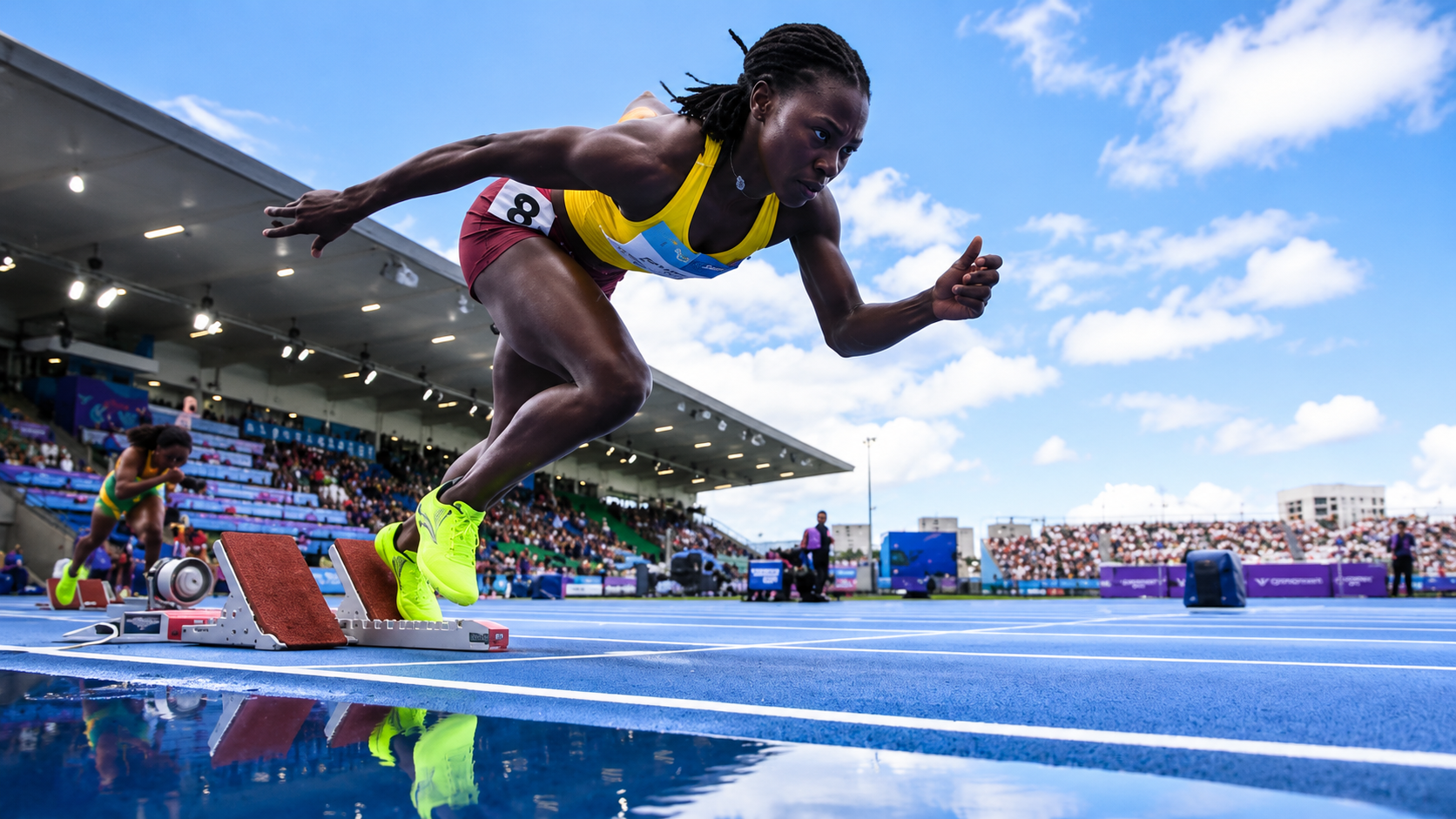
The Glasgow 2026 Commonwealth Games concluded on Sunday after 11 days of competition involving about 3,000 athletes from 74 Commonwealth nations and territories. The scaled-down edition, featuring 10 sports across four venues, was organised after Australia’s Victoria state withdrew as host over escalating costs, with Glasgow stepping in to stage the event.