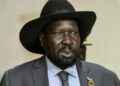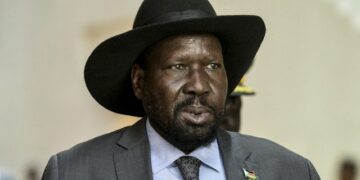



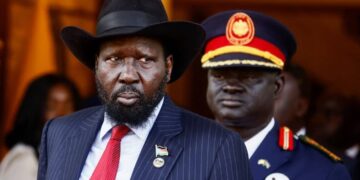

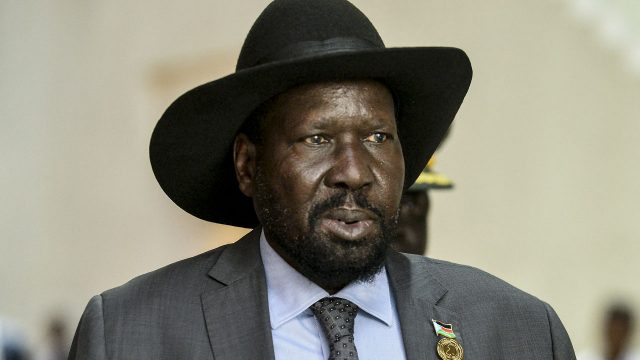
South Sudan President Salva Kiir has dissolved the country’s transitional government and appointed a new administration to oversee the December 22 presidential election, amid growing concerns over the credibility of the planned vote.
The move came hours after Kiir signed amendments to the National Elections Act removing requirements for a permanent constitution and national census to be completed before the election.
The changes also allow Kiir to remain in office during the electoral period while removing the vice-presidents appointed under the 2018 peace agreement.
The election, scheduled for December 22, has already been postponed twice. However, key provisions of the 2018 peace agreement remain unimplemented, including the registration of voters, unification of rival forces and completion of a permanent constitution.
South Sudan gained independence from Sudan in 2011 but was soon engulfed in a devastating civil war that lasted five years. The country continues to face severe political and economic challenges.
The dissolution of the transitional government followed an agreed electoral timetable, but critics have questioned whether the latest legal changes could give Kiir excessive control over the transition.
Michael Wani, a lawyer and former member of the constitution drafting committee, told AFP that the changes could leave Kiir as the dominant authority during the electoral period.
Independent analyst Machot Amuom also raised concerns over what he described as ambiguity in the amended law, arguing that it gives the president broad powers over the electoral process.
Meanwhile, reports indicated a heavy security presence in the capital, Juba, on Tuesday as political tensions remained high.
The political environment has been further complicated by the detention of opposition leader Riek Machar, who is facing treason charges.
The latest developments have raised concerns among international observers that a contested election, held without key provisions of the peace agreement being implemented, could deepen political tensions and threaten South Sudan’s fragile stability.