





By Emmanuel Nduka
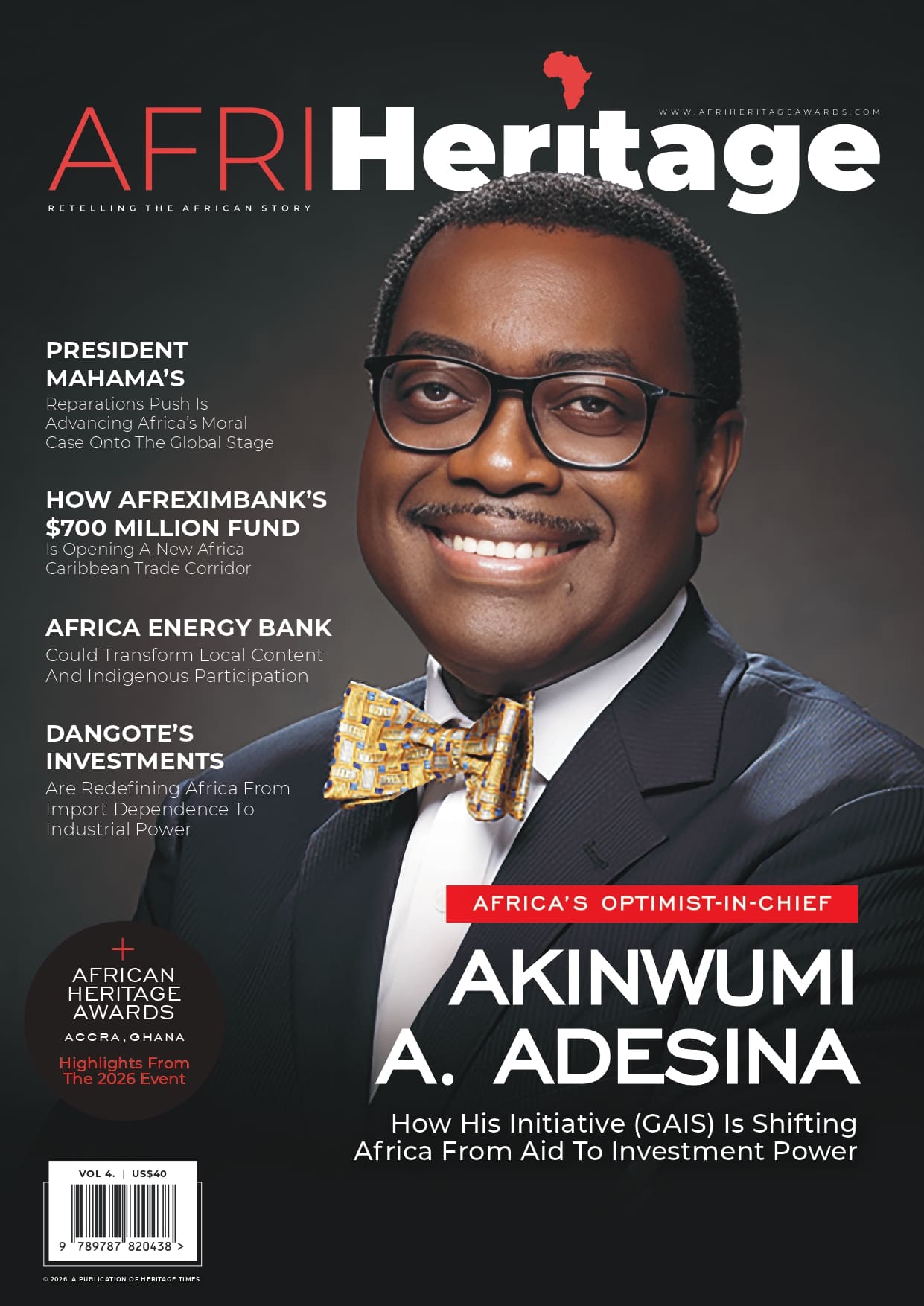
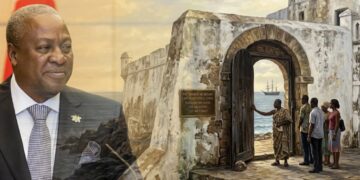
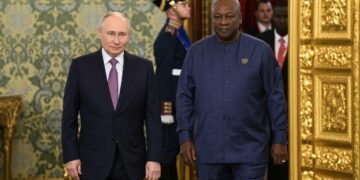
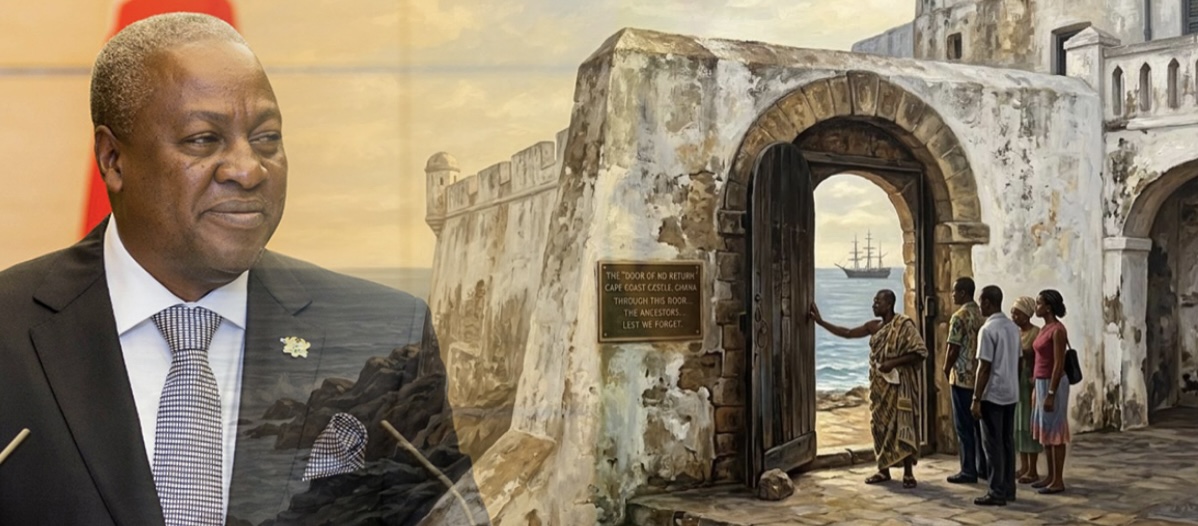
Ghanaian President John Dramani Mahama has said reparations for the transatlantic slave trade and colonialism should extend beyond direct financial compensation, arguing that investments in critical sectors such as education, healthcare and economic development could provide meaningful ways of addressing historical injustices.
Mahama said the reparations campaign should embrace broader interventions capable of correcting the enduring social and economic damage inflicted on African countries through centuries of slavery and colonial exploitation.
The Ghanaian leader, who has championed the international campaign for reparatory justice, specifically identified education, healthcare, economic growth and debt restructuring as areas where cooperation with countries historically involved in the slave trade could help address its lingering consequences.
He maintained that reparations should not be understood exclusively as demands for financial settlements but as an opportunity to confront structural inequalities and the historical disadvantages that continue to undermine the development of affected countries.
His position comes amid growing international momentum for reparatory justice following the adoption of a landmark resolution by the United Nations General Assembly in March, which recognised the transatlantic slave trade and the racialised enslavement of Africans as the gravest crime against humanity.
Although the resolution is not legally binding, it calls for greater international engagement on restitution and compensation, marking a significant diplomatic milestone in the campaign for historical redress.
The resolution, championed by Ghana, secured the support of 123 UN member states, reflecting growing international backing for efforts to address the enduring consequences of slavery.
However, the question of how reparations should be implemented remains contentious, particularly among European countries whose historical involvement in the slave trade has placed them at the centre of growing demands for accountability.
Britain has emerged as a major focus of the renewed campaign, with Prime Minister Andy Burnham expressing willingness to consider a formal apology for the country’s role in the transatlantic slave trade while ruling out direct financial compensation demanded by some Caribbean nations.
Speaking during the Commonwealth Heads of Government Meeting in Antigua and Barbuda, Burnham reportedly held discussions on the possibility of a formal apology for Britain’s historical involvement in the trade, through which an estimated 10 million to 15 million Africans were forcibly transported to the Americas over approximately four centuries.
British Foreign Secretary Ed Miliband has similarly described financial reparations as unfeasible, although he indicated that there were other areas in which Britain could pursue cooperative initiatives with affected countries.
Against this backdrop, Mahama has announced the establishment of three working panels to examine practical pathways towards reparatory justice and develop proposals for advancing the campaign beyond diplomatic declarations.
The initiative is expected to help translate the growing international recognition of historical injustices into concrete measures capable of addressing their political, economic, cultural and social consequences.
Ghana’s renewed push also reflects a broader effort by African and Caribbean nations to secure a coordinated international response to the legacy of slavery, including recognition, restitution and meaningful development partnerships.
The campaign has increasingly centred on the argument that the consequences of the transatlantic slave trade did not end with its abolition but continue to manifest in economic inequalities, institutional disadvantages and the underdevelopment of societies that suffered centuries of exploitation.