












By Ebi Kesiena
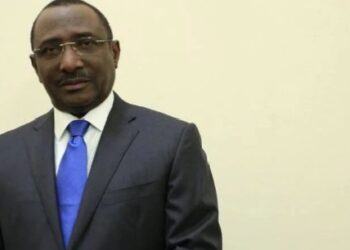
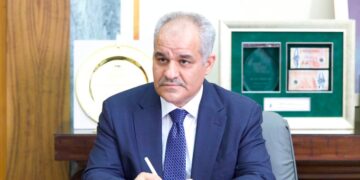
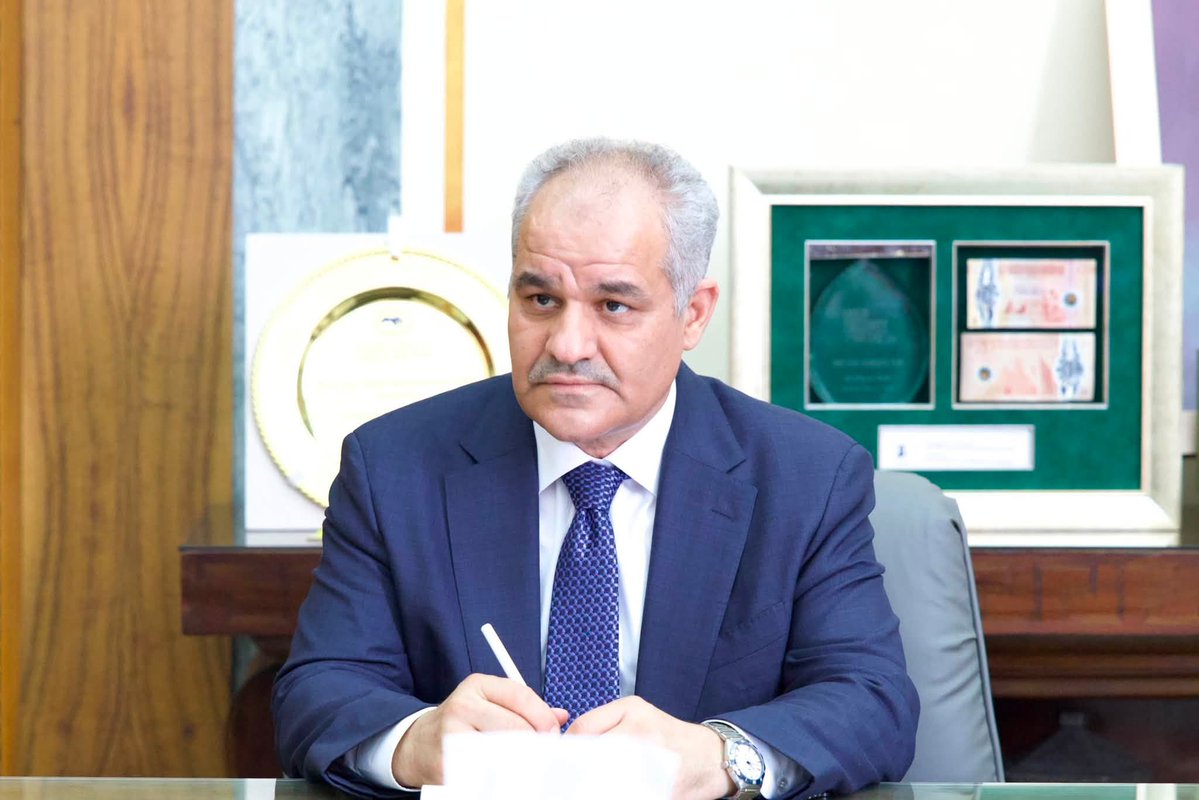
Libya’s Central Bank Governor, Naji Issa, has resigned from office without disclosing the reason for his departure, raising fresh concerns over the stability of the country’s financial institutions amid its prolonged political crisis.
Issa’s resignation comes as Libya remains sharply divided between rival administrations in the east and west, with control of state institutions and oil revenues continuing to fuel tensions.
Libya’s eastern-based parliament, which appointed Issa in September 2024, had yet to publicly comment on his resignation.
Issa and the bank’s Vice-Governor, Miree al-Barasee, were appointed under a United Nations-backed agreement intended to resolve a dispute over the Central Bank, oil production and the country’s worsening financial crisis.
He succeeded Seddik al-Kabir, who was removed by authorities in Tripoli in August 2024 following criticism of his management of the Central Bank and state funds.
Kabir’s removal triggered a major escalation, with the eastern administration suspending oil production and exports in response. The disruption cut Libya’s oil output by about half to roughly 600,000 barrels per day, according to the National Oil Corporation.
The latest leadership change adds uncertainty to efforts to maintain stability in Libya’s financial system, where the Central Bank plays a critical role in managing state revenues and public finances.
The country remains divided between the UN-recognised Government of National Unity, led by Prime Minister Abdulhamid Dbeibah in the west, and a rival administration in the east backed by military commander Khalifa Haftar.
Libya has struggled to establish unified political and economic institutions since the 2011 uprising that toppled longtime leader Muammar Gaddafi. The continuing rivalry between competing authorities has repeatedly threatened oil production, public finances and efforts to restore long-term economic stability.