



















By Ebi Kesiena
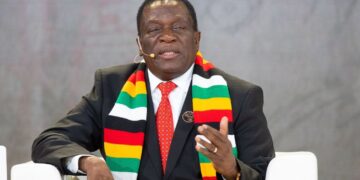
The United States has halted health-related assistance to Zimbabwe after the government in Harare rejected a proposed funding arrangement that officials said raised concerns over national sovereignty and the sharing of sensitive health data.
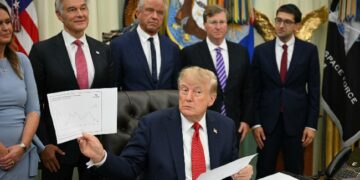
The suspension, announced by the Trump administration on Thursday, affects U.S. support for HIV programmes and other infectious disease initiatives in Zimbabwe, potentially disrupting healthcare services that rely heavily on international assistance.
The proposed arrangement formed part of the Trump administration’s efforts to establish bilateral “America First” health agreements with lower-income countries. The administration has sought to link funding for critical healthcare programmes to broader U.S. policy priorities, including immigration and access to strategic minerals.
Zimbabwean officials reportedly objected to provisions in the proposed agreement, particularly a requirement involving the sharing of health data. They argued that the terms could undermine the country’s sovereignty and ability to independently manage sensitive health information.
The decision has raised concerns among public health advocates over the possible consequences for Zimbabwe’s HIV response.
An estimated 1.3 million people in Zimbabwe could be living with HIV, while the United States had until recently financed about 40 per cent of the country’s HIV-related expenditure.
Health advocates warned that the withdrawal of U.S. support could place additional pressure on Zimbabwe’s healthcare system and threaten progress made in controlling HIV and other infectious diseases.
Asia Russell, executive director of Health GAP, a health advocacy organisation, warned that the move could have severe consequences for Zimbabweans, particularly those dependent on HIV treatment and prevention programmes.
The development has also renewed questions about the management and transparency of U.S. global health funding.
Billions of dollars were appropriated by the U.S. Congress for international health programmes for the current fiscal year, but uncertainty remains over how some of the funds are being allocated under the Trump administration’s restructuring of foreign assistance.
The administration had previously pledged greater transparency as part of its overhaul of U.S. foreign aid.
However, critics say the Zimbabwe decision highlights growing concerns about what they describe as a lack of transparency surrounding the administration’s management of international assistance.