












By Enyichukwu Enemanna
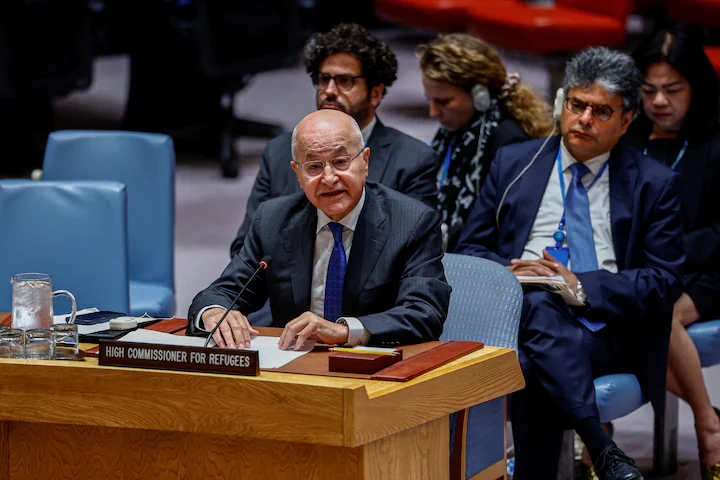
Deep funding shortfalls are forcing the UN refugee agency to make painful cuts across its humanitarian operations worldwide, United Nations High Commission on Refugees (UNHCR) chief said on Monday, adding that there are limits to how much restructuring can offset shrinking donor support.
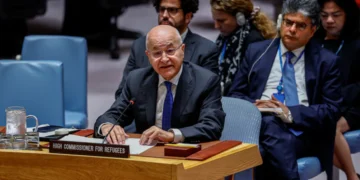
UNHCR has secured only $3 billion, or 35% of the $8.5 billion in funding it requires for 2026, High Commissioner Barham Salih told the agency’s executive committee at a meeting in Geneva, Switzerland.
The shortfall follows aid cuts by countries including the United States under President Donald Trump at a time of record global displacement.
Funding for next year remains uncertain although the expected figure of around $2.68 billion could improve after a UNHCR donor pledging conference in December, Salih said.
UNHCR has launched one of its largest restructurings in the agency’s history because of the budget squeeze, with Salih saying its workforce had been reduced since 2024 from 20,000 employees to only 12,000.
“Protection has a floor. Below it, the system does not simply become smaller. The protection we can provide begins to fail,” he said.
Salih cautioned that restructuring could not compensate indefinitely for lower funding, and that the funding crisis was already having tangible consequences for refugees and humanitarian partners.
“There is a difference between doing more with less and being asked to do the impossible,” he said.
UNHCR is seeking to preserve frontline operations by cutting jobs at its Geneva headquarters and worldwide regional offices, with 88% of staff remaining outside headquarters, Salih said.
About 95% of the staff doing protection work, such as registering refugees and providing legal assistance, and helping refugees find longer-term solutions, such as returning home safely, have been retained in field locations, he said.
He cited several examples of programmes under threat. In Chad, he said, insufficient funding risks disrupting specialised medical care and legal assistance for more than 50,000 survivors of conflict-related sexual violence who fled neighbouring Sudan.
In Ethiopia, refugee registration had been suspended for tens of thousands of refugees from South Sudan and Eritrea, he said.