





By John Ikani
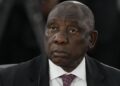
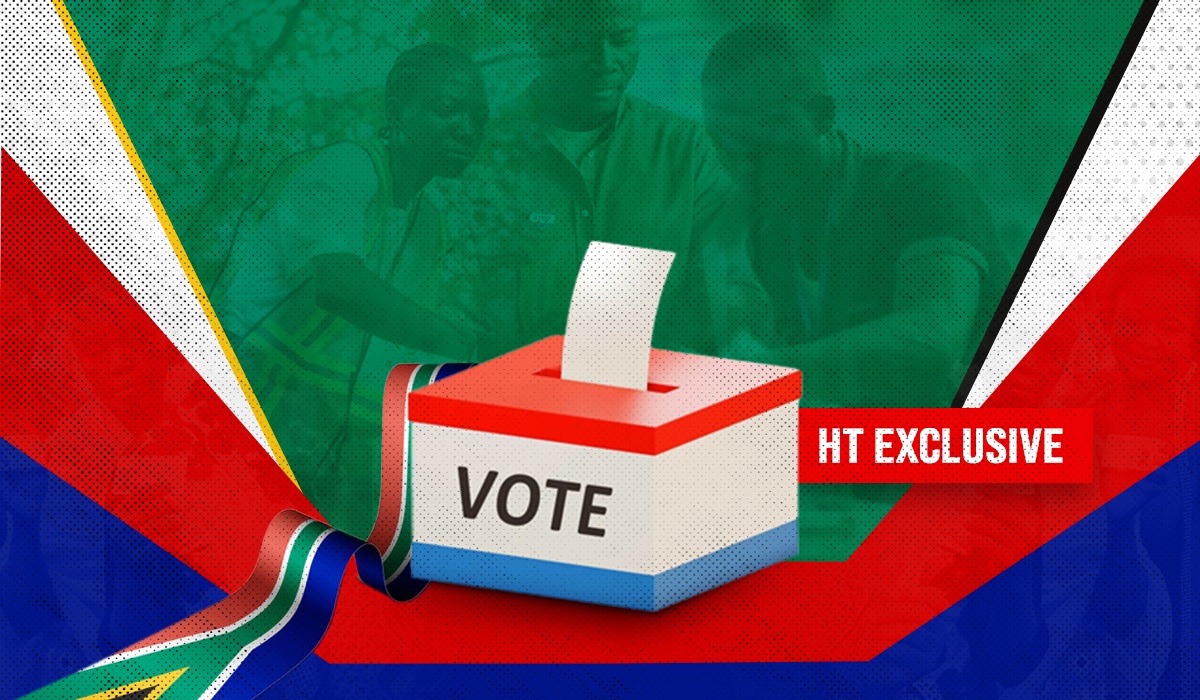
South Africa’s President Cyril Ramaphosa, on Tuesday, February 20, 2024, announced that the country will hold general elections on May 29th this year.
Before the announcement, President Ramaphosa met with the country’s nine premiers and the Independent Electoral Commission to finalize the election date.
The eventual announcement sets the stage for a crucial contest, with the ruling African National Congress (ANC) facing a tough challenge to maintain its majority in the seventh election since the end of apartheid.
While the May 29th date does not directly coincide with the anniversary of the end of apartheid, which officially ended on April 27, 1994, it is still a momentous occasion in South Africa’s democratic journey, representing another milestone in its post-apartheid history.
Notably, the dates of the earlier six elections held in South Africa since the end of apartheid are as follows:
READ ALSO: Where Is Niger’s Mohammed Bazoum?
• April 27-29, 1994: The first democratic general election after the end of apartheid
• June 2, 1999: The second general election.
• April 14, 2004: The third general election.
• April 22, 2009: The fourth general election.
• May 7, 2014: The fifth general election.
• May 8, 2019: The sixth general election.
Here are more facts that aim to paint pictures of the country’s political landscape and preharps, give us a hint of some things to expect in the coming months.
1. Overview of South Africa’s Electoral System
South Africa’s electoral system consists of proportional representation for both the National Assembly and provincial legislatures.
National Assembly Elections: Members of the National Assembly are elected based on proportional representation. Voters cast their ballots for political parties, and seats are allocated to parties based on the percentage of votes received
President Election Process:
• The President is not directly elected by voters but is chosen by the National Assembly after each general election.
• The party that wins the majority of seats in the National Assembly selects its candidate for President.
• The candidate becomes President if elected by a majority vote in the National Assembly.
• If no party gains a majority, parties form coalitions to elect the president.
• The President serves a term of five years and can serve a maximum of two terms
Provincial Legislature Elections: Provincial legislatures follow a similar proportional representation system to the National Assembly, with members elected based on party lists and the percentage of votes received in each province
2. Who Are The Key Runners And Favorites?
The ruling African National Congress (ANC) led by President Ramaphosa, remains a dominant force.
However, analysts predict that the party will lose its parliamentary majority for the first time since 1994 due to several factors bordering on voter discontent.
Consequently, Opposition parties such as the Democratic Alliance (DA) and Economic Freedom Fighters (EFF) are expected to put up strong competition, potentially forcing the ANC into a coalition government for the first time in the country’s history
3. What Are The Issues Likey To Shape Voters’ Preference?
Although there are several issues that voters want to see addressed, Key among voter complaints are persistent power cuts, rising unemployment, poverty, corruption and poor service delivery.
• Power Cuts: Frequent power cuts, known as load shedding, have continued to disrupt daily life and economic activities in South Africa, causing inconvenience and financial losses to businesses and households.
• Unemployment: South Africa faces a significant unemployment crisis, particularly among the youth. The official unemployment rate is high, and the expanded unemployment rate (which includes discouraged job seekers) is even higher. The high unemployment rates contribute to social unrest and economic instability, depriving many citizens of income and opportunities for advancement.
• Corruption. Tragically, South Africa has widespread corruption in both the public and private sectors. This ranges from petty bribery to large-scale embezzlement of state resources.
• Poverty: The poverty levels in South Africa remain unacceptably high, with a significant portion of the population living below the poverty line. Inequality is also extreme.
• Poor Service Delivery: Many municipalities across South Africa fail to provide basic and public services like healthcare, education, water, sanitation, refuse collection, and road maintenance. This is often linked to mismanagement, corruption, and a lack of capacity, all of which contribute to public dissatisfaction and erode confidence in the government.
4. Significance of the Election
The upcoming election holds significant importance for both the Southern African region and the broader African continent.
As the most industrialized nation on the continent, political stability in South Africa is crucial for regional economic dynamics and investment confidence.
The election outcome will also impact South Africa’s international relations and its role in continental affairs, including its influence on African Union initiatives and engagements.
Ultimately, the polls will serve as a barometer for democratic progress across the African continent, influencing neighbouring countries and demonstrating the strength of democratic institutions.
5. Pedigree and Likely Outcome
Previous South African elections have been generally considered free and fair, bolstering the nation’s democratic credentials. However, challenges such as voter intimidation and logistical issues remain concerns, indicating areas that need improvement in the electoral process. Despite these challenges, South Africa continues to strive for democratic excellence.