










By Enyichukwu Enemanna
Court premises in the Zambian capital, Lusaka, and elsewhere were on Monday shut as the deadline for aggrieved parties to file their legal challenge against the outcome of the recent presidential election approached.
Monday is the last day on which petition against the presidential election result can be filed or risk being thrown out.
A BBC report says an unusual police presence was found at some courts, which have been taped off to prevent access.
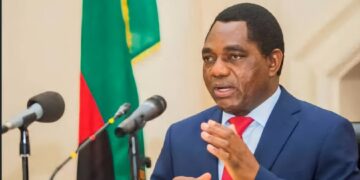
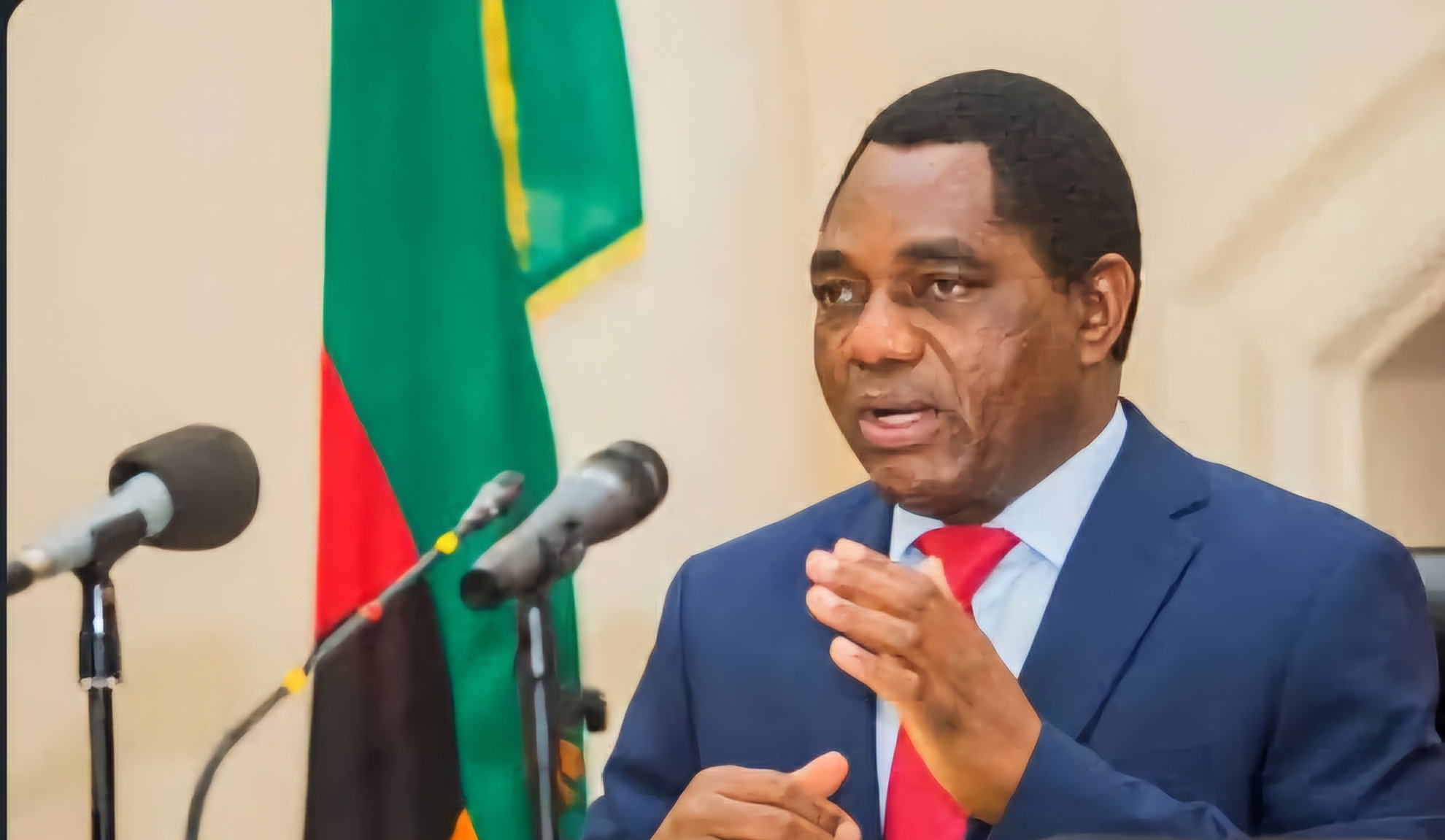
Opposition candidate Brian Mundubile said he would challenge the election result in which President Hakainde Hichilema was declared winner, citing irregularities.
He came second after securing 38% share of the vote, while Hichilema won a convincing second term with 60%.
Mundubile has been on the hide after the election, following alleged threats made against him, including the shooting dead of an opposition figure and the arrest of others in post-election violence.
Such post-election legal challenge could potentially affect the inauguration of Hichilema, which is scheduled for 1 September.
Lawyers who arrived at the courts on Monday were being asked to leave.
BBC quoted a lawyer as saying that three armed men approached his vehicle, identified themselves, and instructed him to leave the area.
Courts reported to have been sealed off include the High Court in Lusaka, the Supreme Court, which also houses the Constitutional Court, and several local courts.
Local media cite a directive by a judiciary administrative official telling all staff not to report to work following the closure of courts for “security reasons”.
The memo, which has also been shared online by some opposition figures, does not give details of the security situation.
Some commentators have raised concerns over the closure while questioning the independence of the judiciary.
A prominent voice for the opposition, Emmanuel Mwamba, alleged the action was aimed at preventing Mundubile from filing his presidential election petition.
The Law Association of Zambia (LAZ) said it was concerned by the closure of the courts and the presence of heavily armed military personnel around court premises in Lusaka.
The election day, 13 August, was described by regional and international observers as largely peaceful, but they raised concerns about late electoral reforms, media freedom and access to the media in the run-up to the poll.
The EU observation mission said restrictions on the opposition may have contributed to an “uneven contest”.
On vote tallying, the mission described a heavy military presence as intimidating and said it had received reports of attacks on some tallying centres.