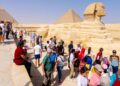











African governments have been urged to strengthen tourism policies, institutional structures and public-private partnerships to unlock the sector’s potential as a driver of economic growth and regional integration.
The call was made by The Gambia’s Minister of Tourism, Arts and Culture, Abdoulie Jobe, and the President of the Federation of Tourism Associations of Nigeria (FTAN), Aliyu Badaki, at the 22nd edition of the Akwaaba African Travel Market in Lagos.
Jobe urged Africans to travel more within the continent, saying increased intra-African tourism would promote cultural exchange, create business opportunities and strengthen relationships among countries.
He encouraged Nigerians to visit The Gambia, describing the country as the “Smiling Coast of Africa” and highlighting its beaches, culture, heritage, wildlife, gastronomy and hospitality.
According to him, Nigeria and The Gambia share strong historical, cultural and people-to-people ties that could be further deepened through tourism.
He said The Gambia participated in the Akwaaba travel market with tourism stakeholders to showcase its attractions and explore partnerships with Nigerian tour operators, airlines, investors, hospitality businesses and players in the creative industry.
“Africa must increasingly become its own tourism marketplace. We must encourage citizens to travel across Africa, discover our diverse cultures and destinations, and build lasting relationships,” Jobe said.
He added that stronger intra-African tourism would create opportunities for businesses, investors and local communities while fostering closer ties among African countries.
Also speaking, Badaki called on governments to establish effective policies and structures capable of supporting sustainable tourism development.
He identified the lack of a coordinated structure as one of the major challenges affecting Nigeria’s tourism sector, stressing the need for a new approach to unlock its economic potential.
“What we believe in is that where we are now in tourism in Nigeria is because of lack of proper structure. We cannot continue doing the same thing the same way and expect different results,” Badaki said.
He advocated stronger government intervention and greater collaboration between the public and private sectors, noting that Nigeria and other African countries possess significant tourism assets that require deliberate policies and institutional reforms to translate them into sustainable economic opportunities.
Badaki also commended Akwaaba for sustaining its annual travel market and providing a platform for tourism stakeholders to network, promote investment and encourage cultural exchange.